Storm Damage Repair · Florida Gulf Coast

Is My Roof Deck Damaged Under the Shingles?

A roofer mentioned your deck might be bad, or you are bracing for it before a re-roof quote comes back. The deck is the plywood that everything else nails into, the one layer nobody sees and everything depends on. After a hurricane it can be soaked, punctured, or rotting from a slow leak, and new shingles nailed over a bad deck will not hold. Here is how deck damage happens, how a roofer actually finds it, and why an honest quote tells you about it up front.

Licensed & InsuredFlorida CCC1331076
4.7 stars57 Google reviews
10 yearsFlorida-licensed
2,000+Roofs completed
What the deck actually is

The deck is the part of your roof nobody sees and everything depends on.

Your roof is built in layers. On the bottom are the rafters or trusses, the frame. Nailed across that frame is the deck, also called the sheathing, almost always sheets of plywood or OSB on a Florida home. On top of the deck goes the underlayment, then the shingles. The shingles and underlayment shed water, but they are not structural. The deck is. Every nail that holds your shingles, every fastener that holds your roof down in a hurricane, drives into the deck. It is the backbone the whole roof system fastens to, and it is the one layer you never see once the roof is on.

So when the deck goes bad, it is not a small thing. A soft, rotted, or storm-soaked deck cannot hold a nail. Drive a roofing nail into rotted plywood and it grips like a nail in a wet sponge: it will not bite, it pulls loose, and it backs out over time. That matters most in the exact moment you need it, the next named storm, when wind uplift is trying to peel the shingles and the whole roof off the house. A roof is only as strong as the wood the fasteners are anchored in. New shingles over a bad deck look fine on day one and fail early, because the foundation underneath them was never sound.

This is why an honest roofer cares about the deck even when the homeowner only asked about shingles. You can put a beautiful new roof on a rotten deck and the customer will never know, until the first hard blow lifts it or a leak shows up in two years. The shingles are the part you see. The deck is the part that decides whether the roof actually holds.

How decks go bad

Four ways a Florida deck gets damaged

Storm saturation

Hurricane winds drive rain sideways and force it under lifted or missing shingles. That water reaches the deck, soaks into the plywood, and stays there. Saturated plywood swells, delaminates as its glued layers separate, and loses the strength to hold a fastener. A deck that took on water in a storm may look intact from the attic and still be too soft to nail into.

Debris impact

A hurricane turns branches, roof tiles, and loose objects into projectiles. A flying limb or a chunk of someone else's roof can crack or punch straight through the deck. Sometimes the puncture is obvious. Often the shingle hides a cracked sheet underneath that only shows once the roof comes off, which is why impact damage is so easy to miss from the ground.

Chronic-leak rot

The slow killer. A small leak around a vent, a valley, or a nail pop drips onto the same patch of deck every time it rains. Over months and years that plywood stays damp, and damp wood in the Florida heat rots. By the time a stain shows on the ceiling, the deck above it is often spongy and the rafter near it may be going too. This is the most common deck damage we find, and it has nothing to do with a single storm.

Old, thin decking

Some older Florida homes were sheathed with thin plank boards or undersized plywood that barely met code at the time and would not pass today. Decades of heat cycling and humidity leave it brittle, warped, or spaced with gaps. Even where it has not rotted, it may be too thin or too far gone to anchor modern hurricane fastening, and code can require it be replaced or re-nailed at re-roof.

How it gets found

Finding deck damage: three looks, and the truth at tear-off

No one can give you an exact bad-sheet count without removing the roof. What an honest roofer can do is read the signs from above and below, then tell you up front that the final number is only certain once the shingles come off.

Why honest roofers quote a per-sheet allowance

The lowball trick is pretending zero sheets are bad.

Here is a quote game worth knowing about. When a roofer cannot see under the shingles until tear-off, the bad-sheet count is genuinely unknown at quote time. An honest roofer handles that by writing a clear per-sheet replacement allowance into the estimate: a set price per sheet of deck that needs replacing, with a note that the final count is confirmed once the roof is open. You see the number up front, and you are never surprised.

A lowball quote does the opposite. It assumes zero bad sheets so the bottom-line price looks the lowest, wins the job, and then hits you with a change order partway through tear-off once the rot is staring everyone in the face and you have no leverage to say no. The cheap quote was never cheap. It just hid the deck. When you compare estimates, look for the per-sheet allowance. A roofer who tells you how they handle deck replacement before they start is the one being straight with you.

Florida code adds another layer most homeowners do not know about. When you re-roof, current code generally requires the deck to be re-nailed to a tighter fastening schedule and a secondary water barrier installed on the bare deck, so wind-driven rain cannot reach your home even if shingles are lost in the next storm. That work happens on the deck, which is one more reason the deck has to be sound and exposed before the new roof goes on. A roofer skipping that is cutting a corner the code does not let you cut.

The insurance angle

Storm deck damage is claimable, but the clock is running

A covered wind loss can include the deck

When a storm soaks or punctures your deck through lifted or missing shingles, that is part of a covered wind loss on most Florida homeowners policies, not just the shingles on top. Documented deck replacement belongs in the claim. The key is proving the storm caused it, which is exactly what the photo report and the bare-deck images are for.

One year to file, 18 months for a supplemental

Under Florida Statute 627.70132, you have one year from the date of loss to file a new or reopened windstorm or hurricane claim, and 18 months for a supplemental claim. Not two years, not three. Deck damage discovered at tear-off can be the basis of a supplemental claim, so keep your dates and documentation clean. Coastline documents the damage and works with your adjuster, but we are not a public adjuster and we do not negotiate your claim for a fee.

What to do about it

A free inspection gives you an honest deck assessment before you spend a dollar.

You do not need to guess whether your deck is sound, and you should not accept a quote that quietly assumes it is. Coastline does a free roof inspection: we walk the roof for soft spots, go into the attic to read the underside for staining and sag, and send you a written photo report. If we suspect deck damage, we tell you, and we write a clear per-sheet replacement allowance into any replacement quote so the deck is never a hidden surprise mid-job. If you are dealing with the rest of the storm damage too, our guide on missing shingles after a storm and our Florida roof insurance claims guide walk through the next steps.

When the roof comes off and bad sheets are exposed, we replace them with properly rated decking, re-nail the deck to the current Florida fastening schedule, and install the secondary water barrier the code calls for, then build the new roof on top of wood that will actually hold the fasteners. Deck work is part of a sound roof replacement and it is built into how we handle storm damage repair. If you just want eyes on it first, a free roof inspection is the place to start. Other warning signs can point at the deck too, like a sagging roofline.

Recent storm work

Roofs Coastline has rebuilt on the Gulf Coast

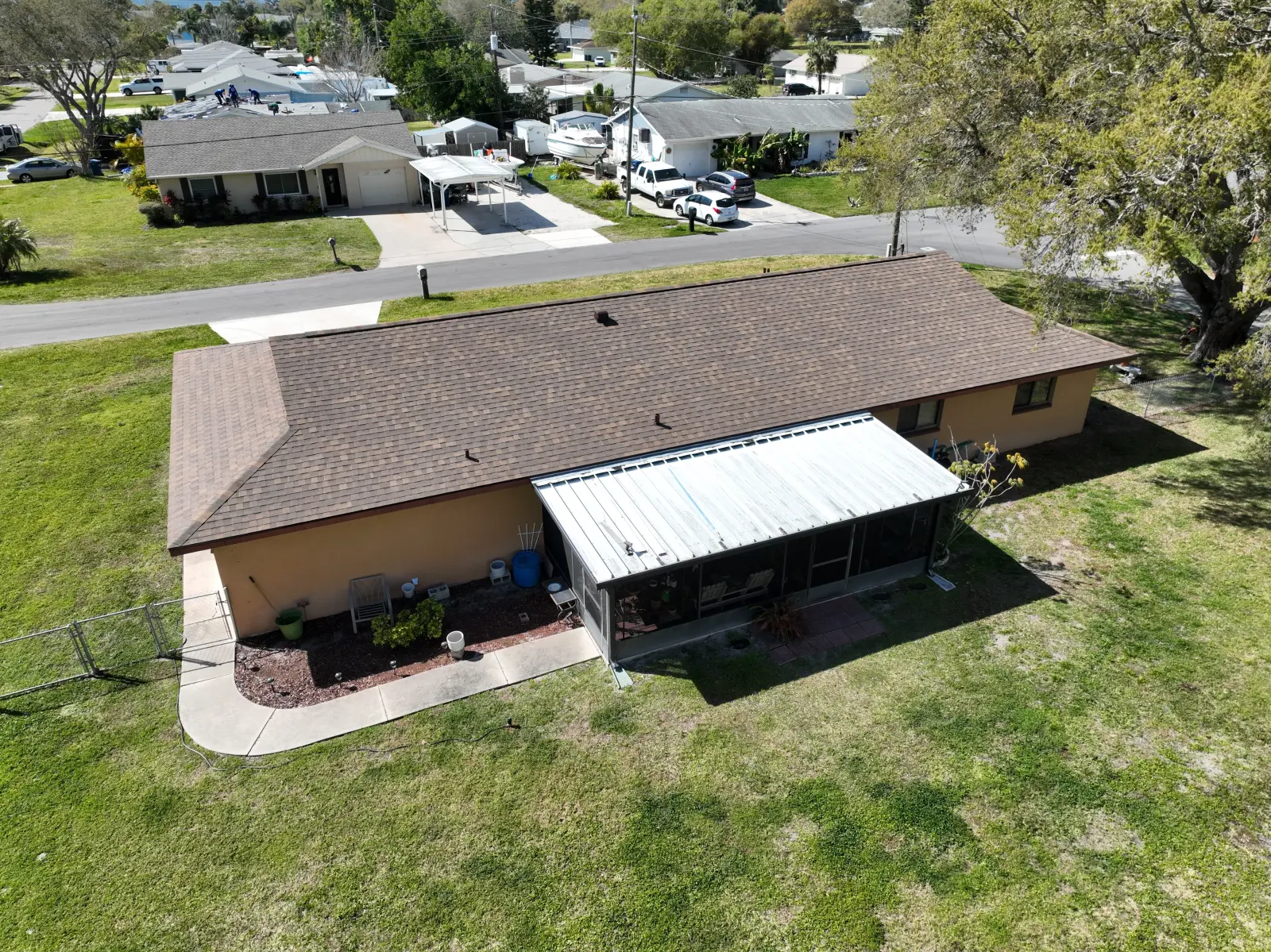
Aerial view of a completed Florida roof rebuilt over new decking
Completed roof rebuilt over fresh decking, November 2025. Florida Gulf Coast.
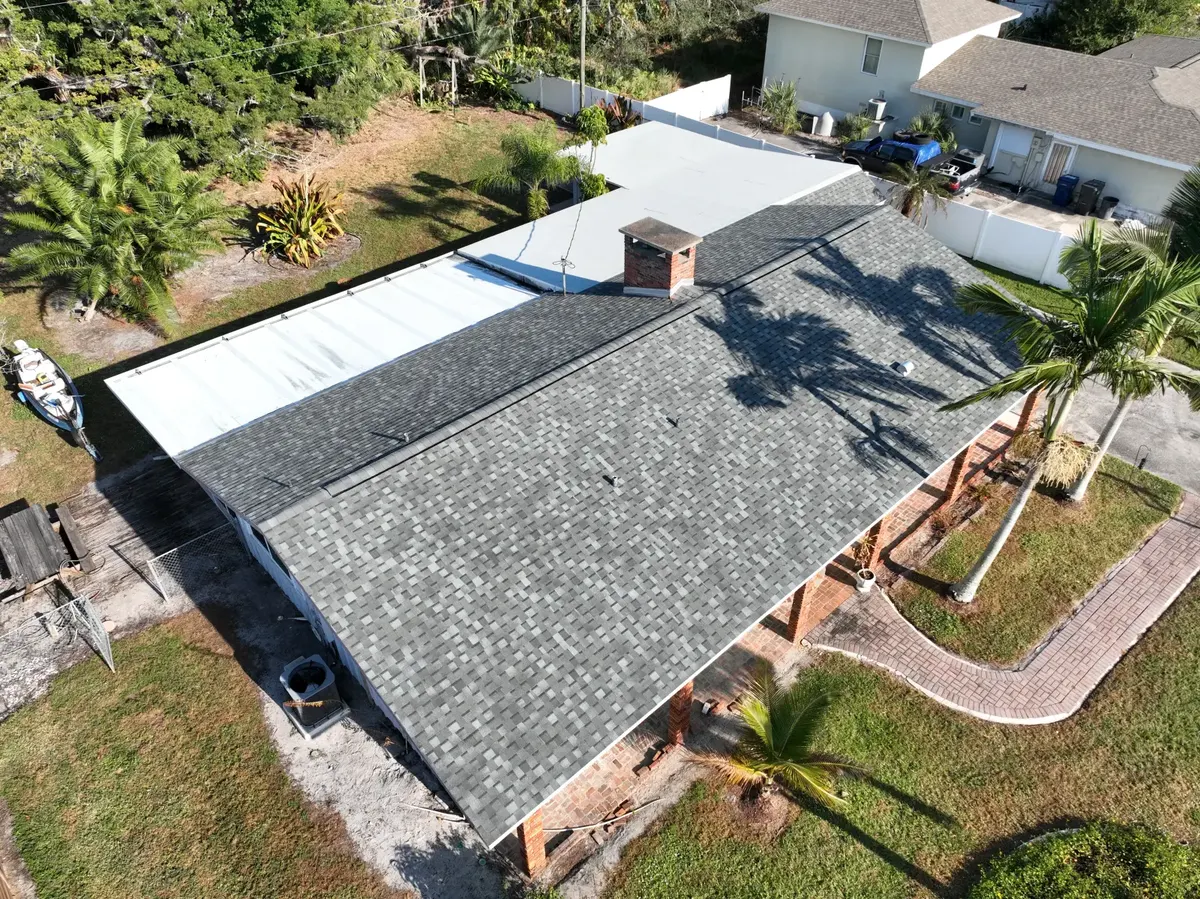
Finished asphalt shingle roof on a Gulf Coast home after a full deck and roof rebuild
Finished shingle roof after a full tear-off and deck rebuild, February 2024. Florida Gulf Coast.
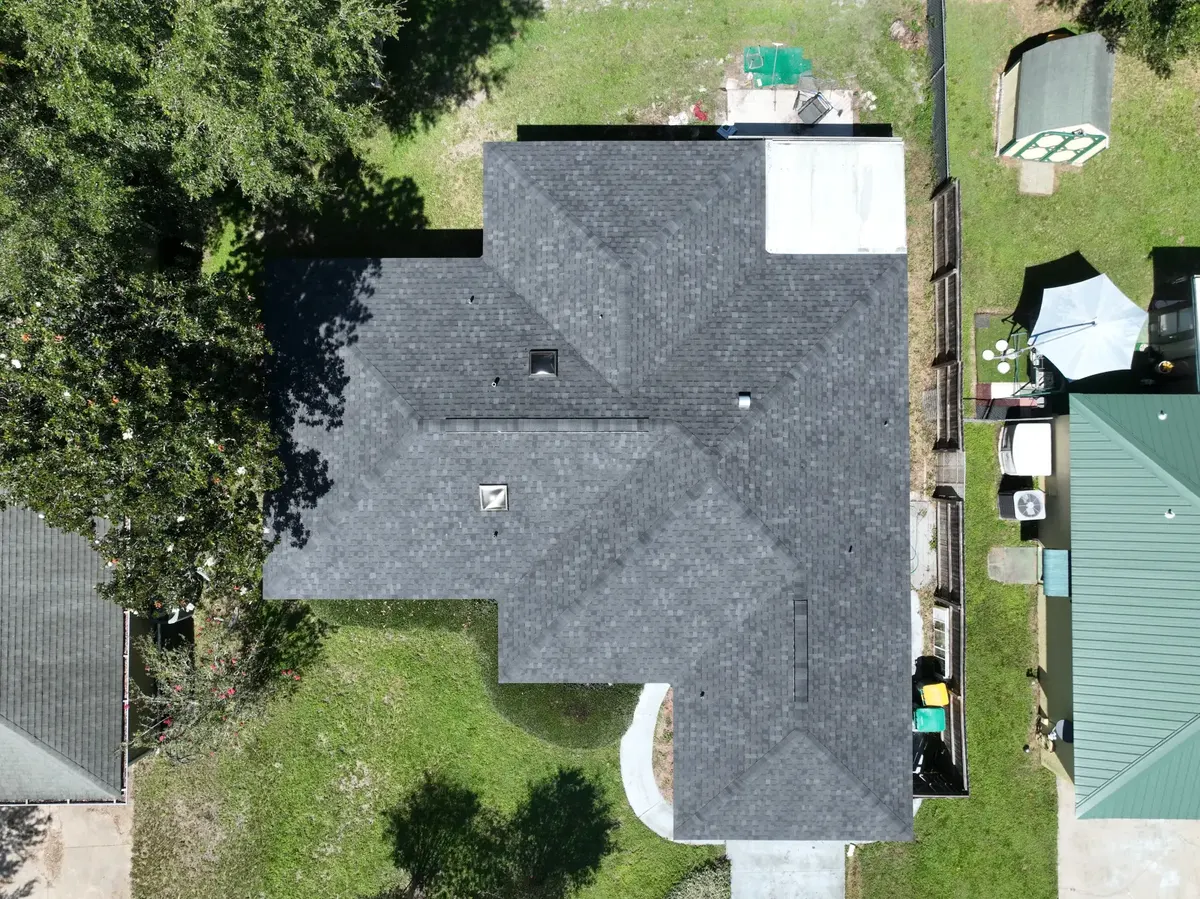
Drone view of a charcoal shingle roof installed over a sound, re-nailed deck
Charcoal shingle roof over a sound, re-nailed deck, August 2024. Manatee County, FL.
Free inspection

Find out if your deck is sound before you commit to anything.

A walk for soft spots, an attic check for staining and sag, and a written photo report, all free. If we suspect deck damage we tell you straight, and any replacement quote includes a clear per-sheet allowance so the deck is never a hidden surprise. No trip fee, no diagnostic fee, no pressure.

Schedule your free inspection
Reviews

Deck and storm work Coastline has done for Florida homeowners

★★★★★
Above and beyond. A+++. They brought the best quality of work for a fiercely competitive price. Over 30 sheets of plywood replaced and they knocked it all out in 3 days from tear-out to install. Do not hesitate.
Dylan K.Storm damage roof replacement, Florida Gulf Coast
★★★★★
They replaced the whole roof, plywood and fascia.
munji s.Full roof and decking replacement, Florida Gulf Coast
★★★★★
Coastline was able to start my work within a week after Ian. Very professional and great quality work, complete in less than a week.
Anthony S.Hurricane Ian roof replacement, Florida Gulf Coast
FAQ

Common questions about roof deck damage

Can you just put new shingles over a damaged deck?

No, and you should be wary of anyone who says you can. Nails will not hold in rotted, delaminated, or saturated plywood, so the new roof has nothing solid to anchor to. It may look perfect on day one and then lift in the next storm or leak within a couple of years. Bad sheets have to come out and be replaced with sound decking before the new roof goes on. The shingles are only as strong as the wood the fasteners bite into.

How do you know my deck is damaged if you cannot see under the shingles?

We read the signs from above and below. Walking the roof, an experienced roofer feels soft, springy spots where the plywood has rotted. From the attic we look for water stains on the underside of the deck, sagging between rafters, and daylight through punctures. Those tell us where the trouble is. The complete count of bad sheets, though, is only certain once the old roof is stripped and the bare deck is exposed, which is why an honest quote prices that uncertainty up front.

Why does my quote have a per-sheet allowance for decking?

Because no one can see every bad sheet until the roof is off, an honest estimate sets a fixed price per sheet of deck that needs replacing and confirms the final count at tear-off. You see the number before work starts and you are never blindsided. Be cautious of a quote that assumes zero bad sheets to look cheaper, then surprises you with a change order mid-job once the rot is exposed and you have no room to walk away.

Does my homeowners insurance cover deck replacement?

When a storm soaks or punctures your deck through lifted or missing shingles, that deck damage is generally part of a covered wind loss on most Florida policies, not just the shingles. The catch is proving the storm caused it, which is what the photo report and bare-deck images are for. Under Florida Statute 627.70132 you have one year from the date of loss to file a new or reopened claim and 18 months for a supplemental, so document promptly. We document the damage and work with your adjuster, but we are not a public adjuster and do not negotiate the claim for a fee.

What is a secondary water barrier and do I need one?

It is a layer applied directly to the bare deck at re-roof, designed so that even if shingles are blown off in a storm, wind-driven rain still cannot get into your home. Current Florida code generally requires it along with re-nailing the deck to a tighter fastening schedule when you replace a roof. Because both happen on the deck, the deck has to be sound and exposed first. A roofer skipping this step is cutting a corner the code does not allow.

Is the inspection really free?

Yes. The roof inspection, the attic check, and the written photo report are free, with no trip fee and no diagnostic fee. If your deck looks sound, we will tell you that plainly, and if we suspect damage we show you the evidence and explain how a per-sheet allowance works. Call (941) 896-7793 or text (941) 345-0072 to schedule.

Worried the deck under your shingles is gone? Let us look.

Free inspection, attic check, and a written photo report with an honest deck assessment, plus a clear per-sheet allowance on any replacement quote. Licensed CCC1331076.

Call Text