How long does a roof replacement take?
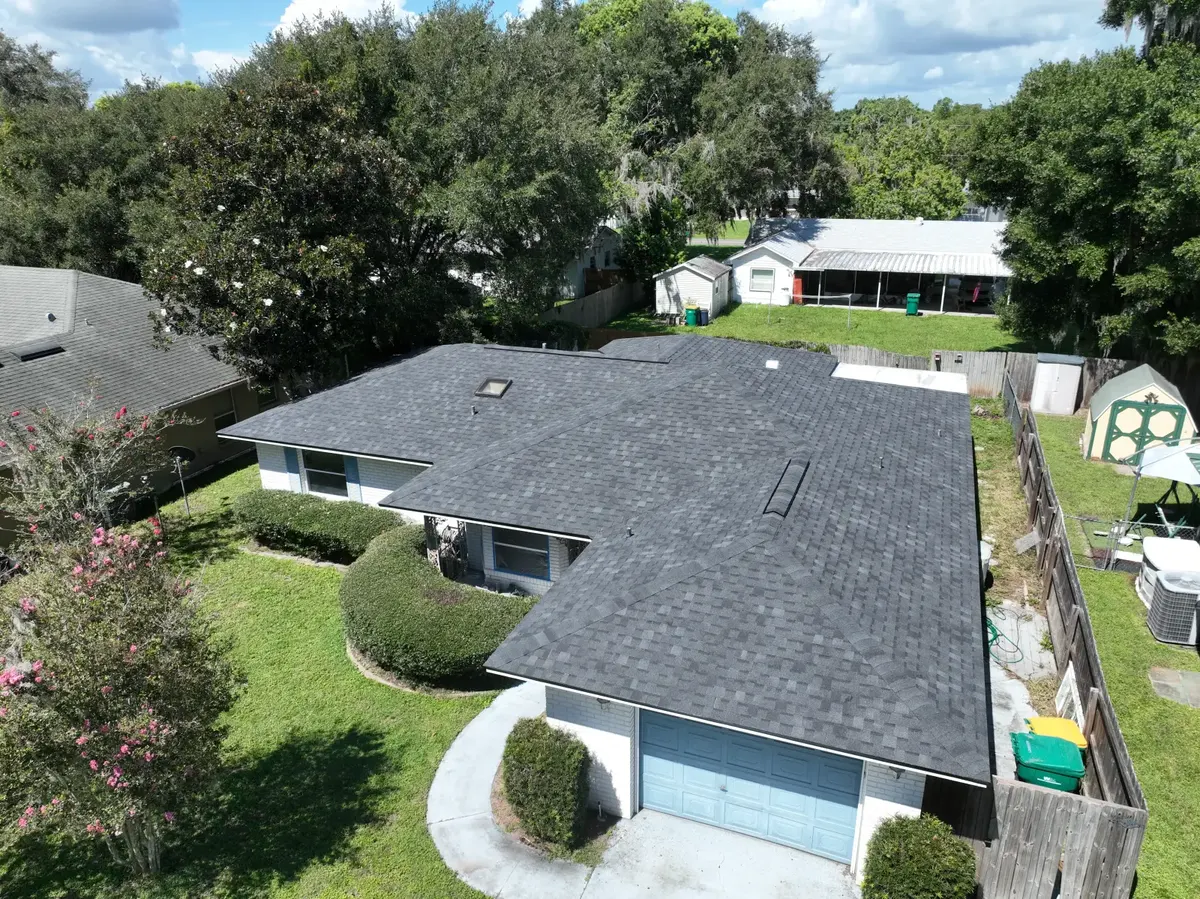
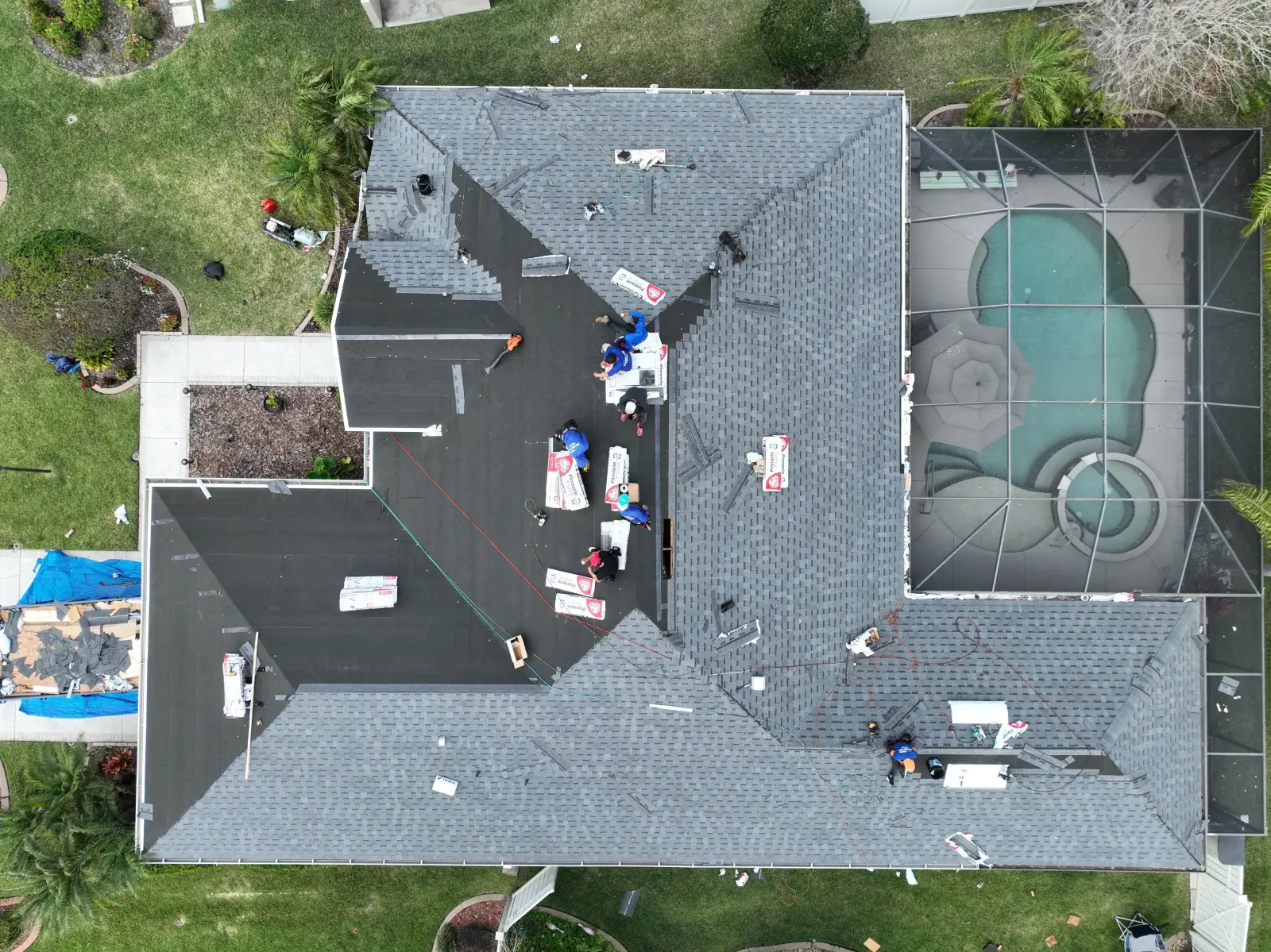
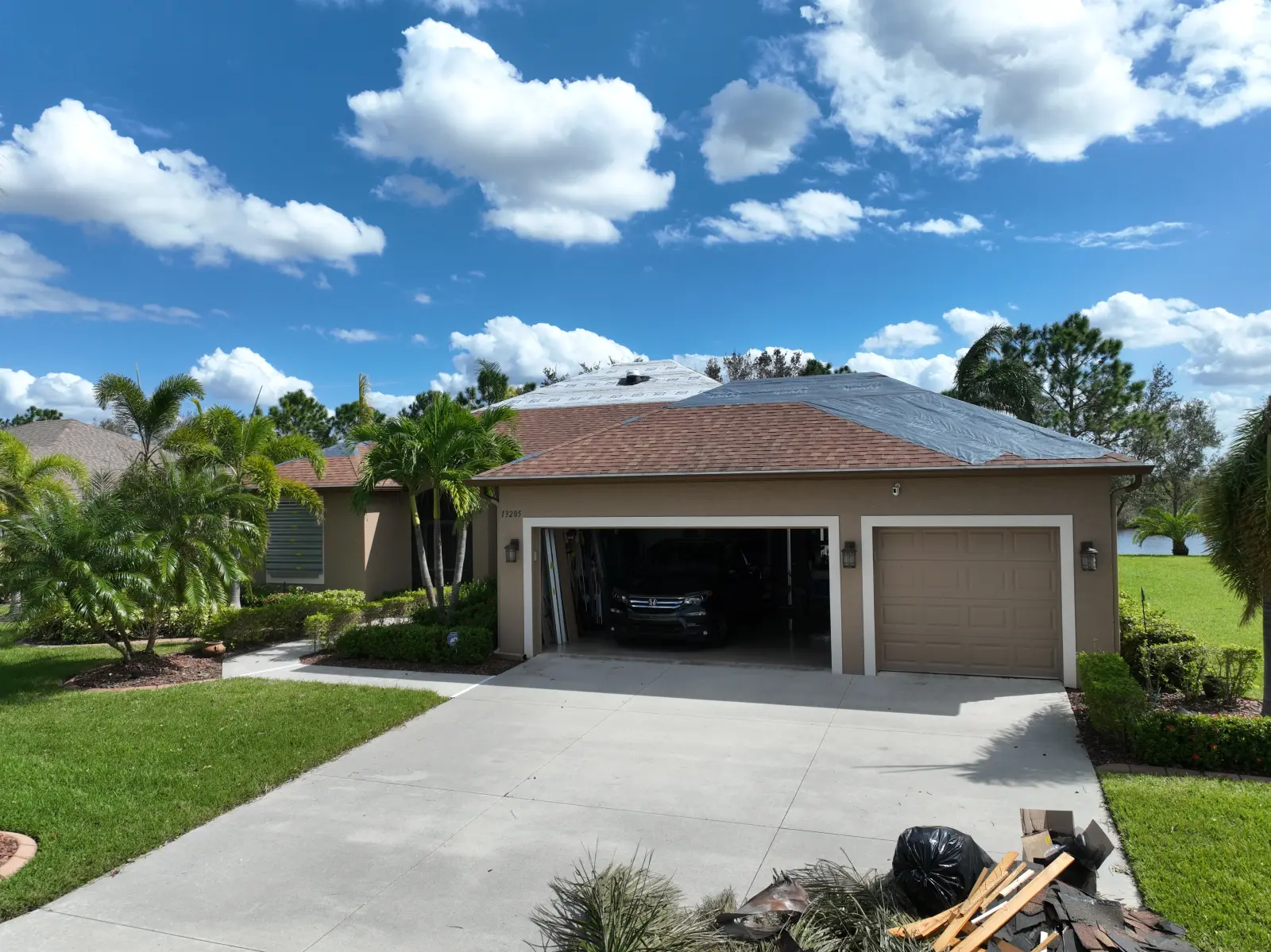
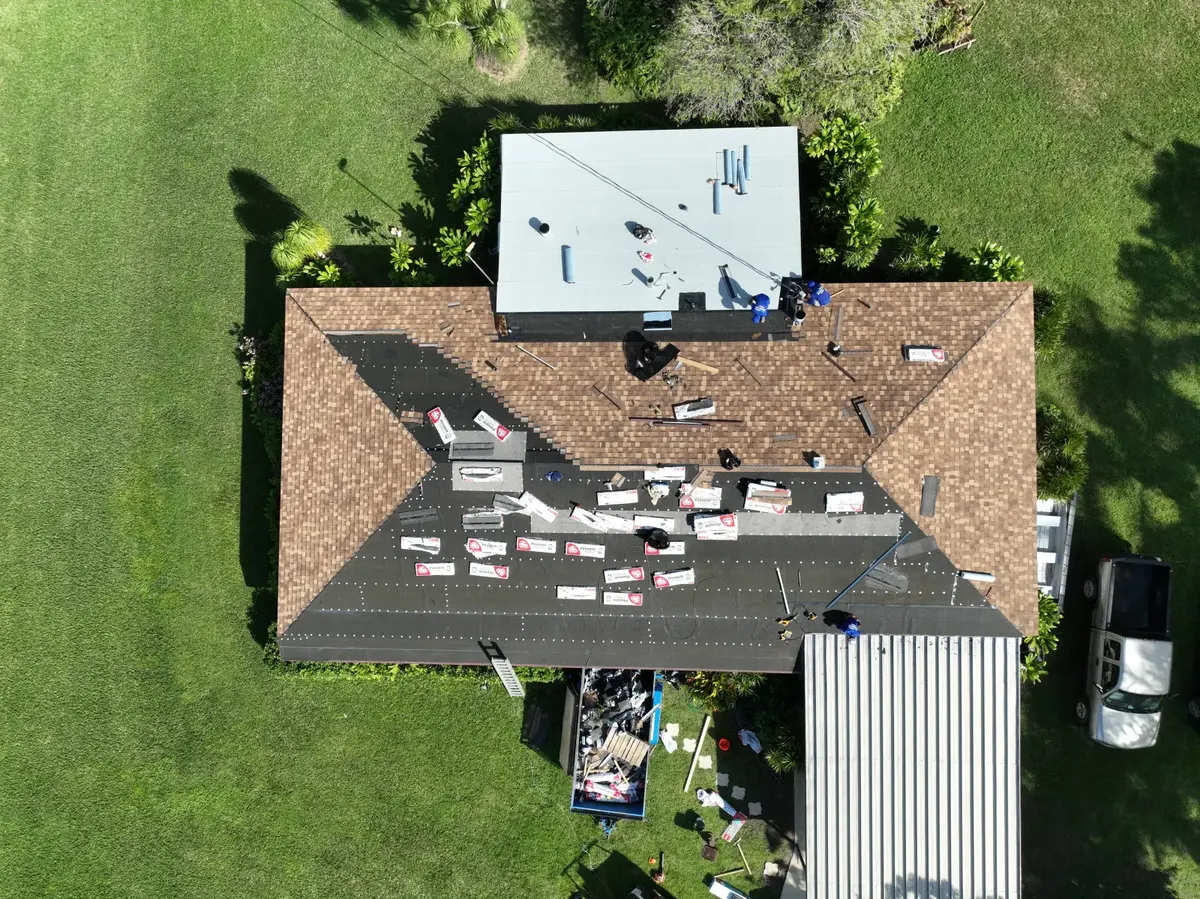
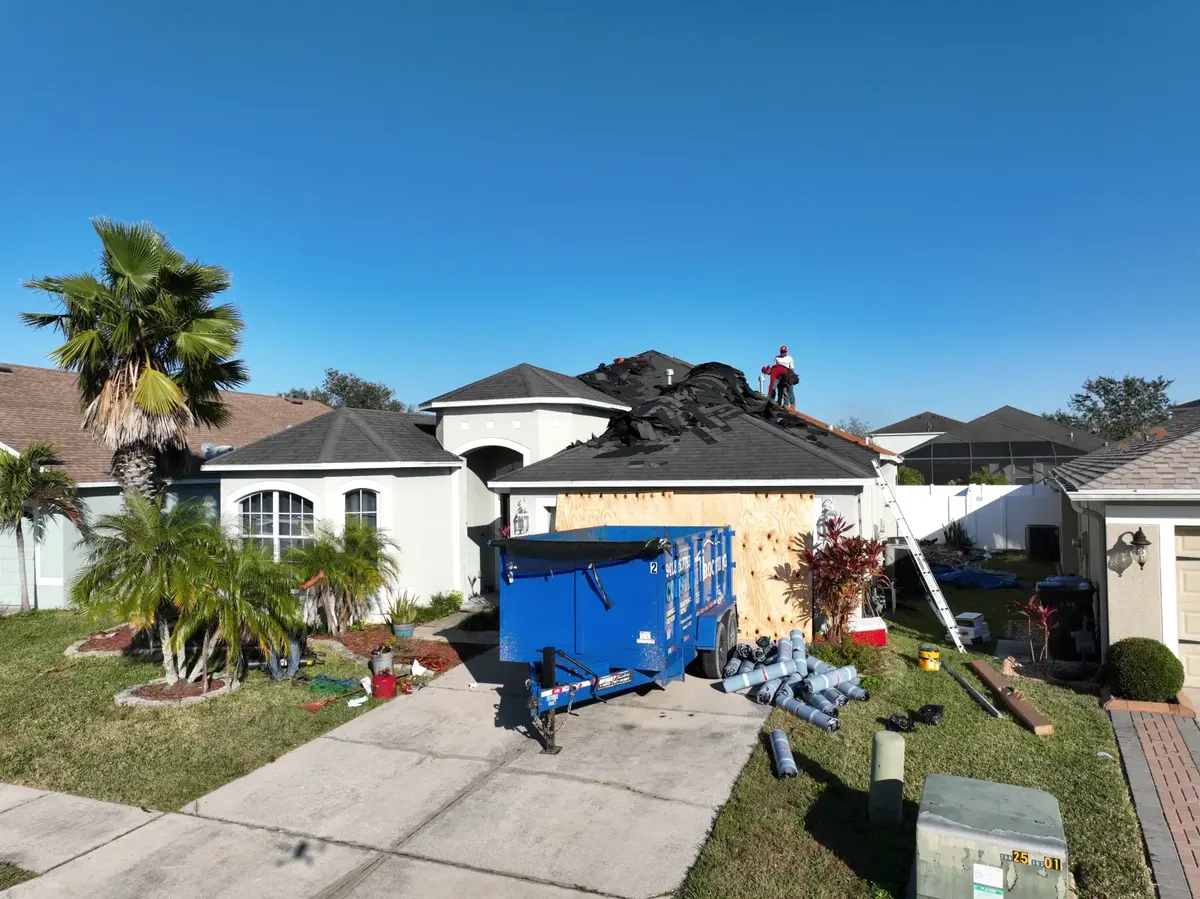
Most single-family homes are torn off and re-roofed in 1 to 3 days, weather permitting. Larger homes, complex roof lines, and tile roofs may run 3 to 5 days. We give an exact timeline before the job starts.
Can I finance a new roof?
Yes. We offer financing through Ygrene and Synchrony Bank for qualified homeowners. You can start the roof now and pay over time, which often makes more sense than waiting for damage to spread.
What kind of warranty do you offer on a replacement?
Every Coastline replacement is backed by a 5-year workmanship warranty in writing. The full manufacturer materials warranty (Atlas Lifetime Limited on Pinnacle Pristine) is passed through to you in full.
Do you handle the permits?
Yes. We pull every required permit with the county and handle every inspection. The final county inspection has to pass before we close out the job.
Do you require a deposit?
A deposit is collected on large roof replacements. No deposit is required on roof repairs. Call (941) 896-7793 and we walk you through what to expect on your job.
What shingle do you install?
Atlas Pinnacle Pristine is our default architectural shingle. It carries a 130 mph wind rating, Class 3 impact resistance, and Scotchgard Protector copper granules that resist black algae streaks in Florida humidity. We also install GAF, CertainTeed, and Owens Corning on customer request.
Will replacing my roof lower my homeowners insurance premium?
Very likely, yes. A new roof lets you qualify for a Wind Mitigation Verification Inspection, which produces an OIR-B1-1802 form your insurer must use to apply premium credits. The My Safe Florida Home program reports average annual savings of around $900 for homes that receive wind mitigation upgrades. We coordinate with a licensed wind mitigation inspector on every replacement so you can submit the completed form to your carrier the same week the permit closes.
Do you replace tile and metal roofs too?
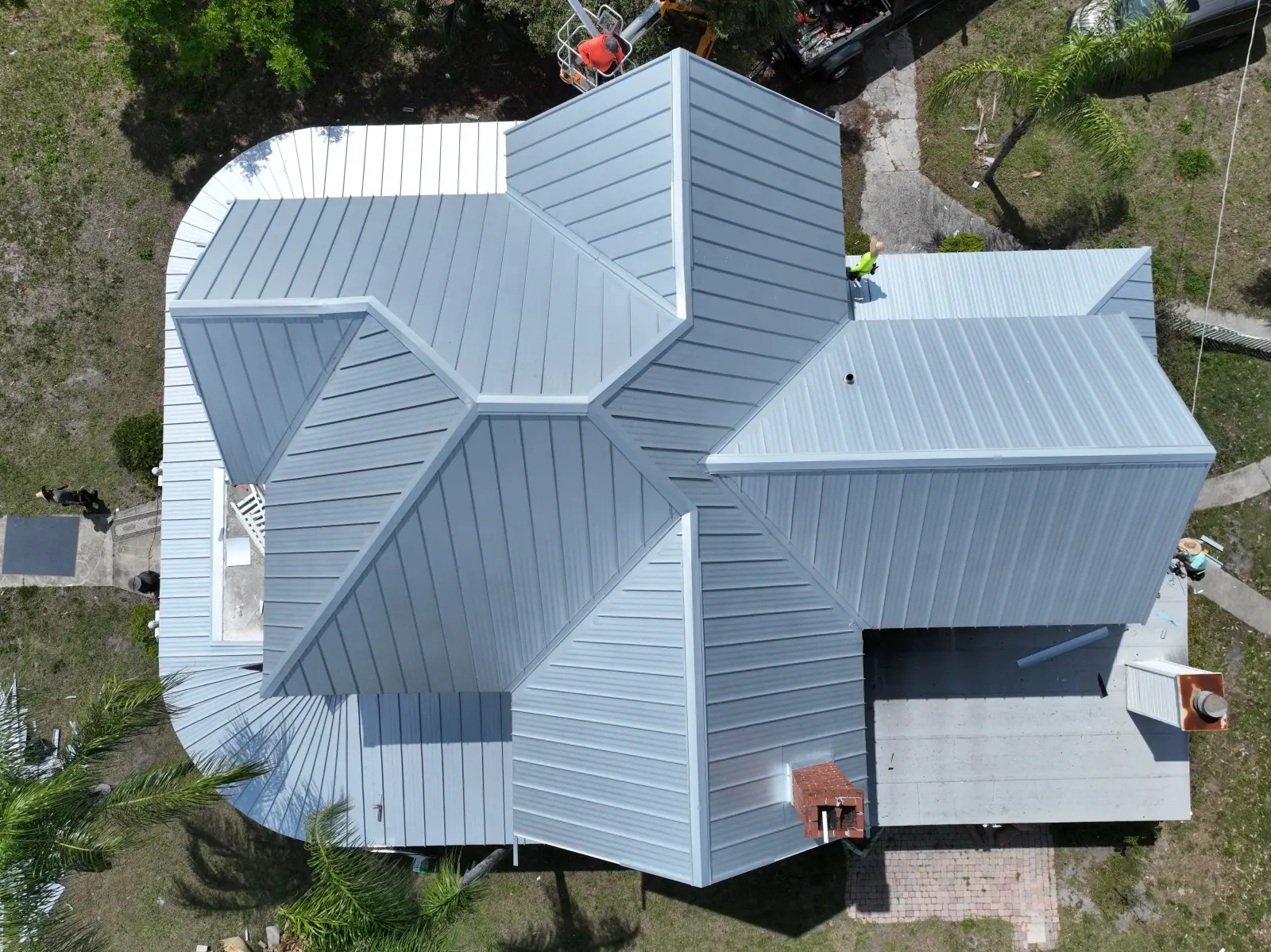
Yes. We install concrete and clay tile, standing seam and exposed-fastener metal, and modified-bitumen flat systems. See our full services list for options.
What is the 25% rule for roofing in Florida?
Florida Building Code Section 706.1.1 requires that if repairs or recovering touch more than 25% of the total roof area within any 12-month period, the full roof must be brought to current building code. What starts as a repair can legally require a full code-compliant replacement once that threshold is crossed. Many insurance adjusters leave this out of their estimates. We document the affected area on every inspection so it is reflected in the scope and the carrier's estimate. Most Florida homeowner policies include Law and Ordinance coverage designed to cover these code-upgrade costs. See our insurance claim page for how this affects your claim.
Is $25,000 a lot for a new roof in Florida?
In Manatee County and across the Tampa Bay area, $25,000 is within the normal range for a full shingle replacement on a mid-size single-family home, but not a fixed number you can plan around. Pricing depends on roof size, pitch, the material you choose, how much wood deck repair is needed, and permit fees. A standing seam metal roof, a tile reroof, or a large complex roofline will land well above that figure. A smaller home with a simple roofline can come in below it. The only way to know your number is a free on-site estimate with the measurements in front of us. Call (941) 896-7793 and we will give you a written quote, not a verbal range.
What is the best time of year to replace a roof in Florida?
Any time of year. Southwest Florida's mild climate means roofing is safe and practical in every month, unlike northern states where frozen ground and sub-freezing temperatures stop work entirely. The actual best time is when your roof needs it: a failing or leaking roof does not get better by waiting for a calendar window, and interior damage that accumulates while you wait always costs more than the roof itself. That said, there are real factors worth knowing. Replacing before June 1 means your new roof enters hurricane season with a fresh warranty and full rated wind resistance behind it. The dry season from October through May has fewer weather delays, which helps predictability for scheduling. And post-storm demand surges across the region, so getting ahead of storm season rather than reacting to it gives you more scheduling flexibility. Pricing is driven by materials and labor year-round; there is no off-season rate. If your roof needs replacing, the best time is now.