
★★★★★
"They go the extra mile to get what their customers need or want. Chimney caps, skylight, they handle it all."Chimney F.Repairs and extras, Florida Gulf Coast
Updated June 2026
You stood across the street, looked up, and the roof did not sit straight. A dip in the middle of a slope, a wave along the ridge, a low spot that was not there last year. A sag is one of the few roof problems that is not just about leaks: it can be about structure. The good news is that not every dip is an emergency. This page explains the difference between a small sag in the decking and a real framing problem, and how to tell which one you are looking at.
A roof is built to hold a line. The ridge runs straight across the top, the slopes run flat and even down to the eaves, and that geometry is held by a frame: either rafters and a ridge board, or pre-built trusses, with a layer of plywood or OSB decking nailed over the top. When you see a dip, a wave, or a low spot in that plane, something in that stack is no longer holding its shape. The question is which layer, because the answer ranges from a routine repair to a serious structural fix.
Here is why a sag deserves more respect than most roof problems. A leak ruins your ceiling and your drywall, which is expensive and annoying, but a leak is not going to drop the roof on your head. A real structural sag can. When rafters, trusses, or the ridge are bending under a load they can no longer carry, the roof is slowly failing in a way that gets worse, not better, and in the worst cases ends in collapse. That is rare, and most sags caught early are nowhere near that point, but it is the reason you do not ignore a dip and hope it flattens out. It will not.
The calm part of this: most sags homeowners spot are localized and fixable, and a lot of them are decking, not framing. The two are completely different problems with completely different price tags. The trick is not to panic and not to ignore it, but to get an honest look at what is actually bending. That is what the rest of this page is for, and it is exactly what a free inspection settles in an afternoon.
The most common one. The plywood or OSB decking between two rafters softens and bows downward, usually because a slow leak soaked it for years and the wood rotted. You see a shallow wave or a sunken panel, often the size of a sheet of plywood, while the ridge and rafters around it stay straight. The fix is replacing the affected sheets of decking, not the frame.
More serious. When the ridge line itself dips, or whole rafters or trusses bow, the frame that holds the roof up is failing. The dip is long and follows the structure rather than sitting in one panel. Causes include water-rotted framing, undersized or aged wood, termite damage, or too much weight from layered-on roofs. This needs framing repair and sometimes a structural engineer.
Florida's special problem. A leak that goes unnoticed in the attic for years keeps the decking and the rafter tops damp. Damp wood rots, loses strength, and starts to bend under the weight it used to carry easily. By the time the sag shows from the street, the rot has often been working quietly for a long time.
Every roof is engineered for a certain load. Pile on a second or third layer of shingles instead of tearing the old one off, or switch to a heavier material the frame was never sized for, and the structure carries weight it was not built to hold. Over years, that extra dead load makes rafters and trusses slowly sag.
A sag that shows up on the Gulf Coast usually started long before you could see it. Heat and humidity make this a slow, hidden problem, which is exactly why a sudden or worsening dip warrants a prompt look.
You cannot read a sag from the driveway. The same shallow dip can be a couple of soft sheets of plywood or a rafter that is starting to give, and the only way to tell them apart is to get into the attic and look at the structure from underneath. That is the heart of a proper sagging-roof inspection. We check the rafters and trusses for bowing, cracking, or pulled connections, look for moisture and active leaks, find rot in the decking, scan for termite and pest damage, and note any prior repairs that were done poorly. You get a written photo report so you can see exactly what we saw.
From there, the fix matches what is actually wrong, and the range is wide on purpose. On the light end, replacing a few sheets of water-rotted decking flattens the slope and stops the problem at the source: that is a routine roof repair. In the middle, a weakened rafter can often be sistered, meaning a new structural member is fastened alongside the old one to carry the load. At the heavy end, if multiple trusses or the ridge are compromised, that is framing repair, and on a severe structural sag we will tell you plainly that it needs a structural engineer's sign-off before anyone touches it. We would rather hand you to the right professional than guess on something that holds your house up.
Sometimes the honest answer is that the roof has reached the end of its life and a sag is just the final symptom, in which case a planned roof replacement with new decking and modern hurricane fastening is the cleaner, cheaper path than chasing repairs. Either way, you will not get a scare-sell from us. We document what is there, give you the photos, and lay out your real options. If you want to understand the leak side of this first, our guide on finding where your roof is leaking and the one on roof deck damage both connect directly to what causes a sag.
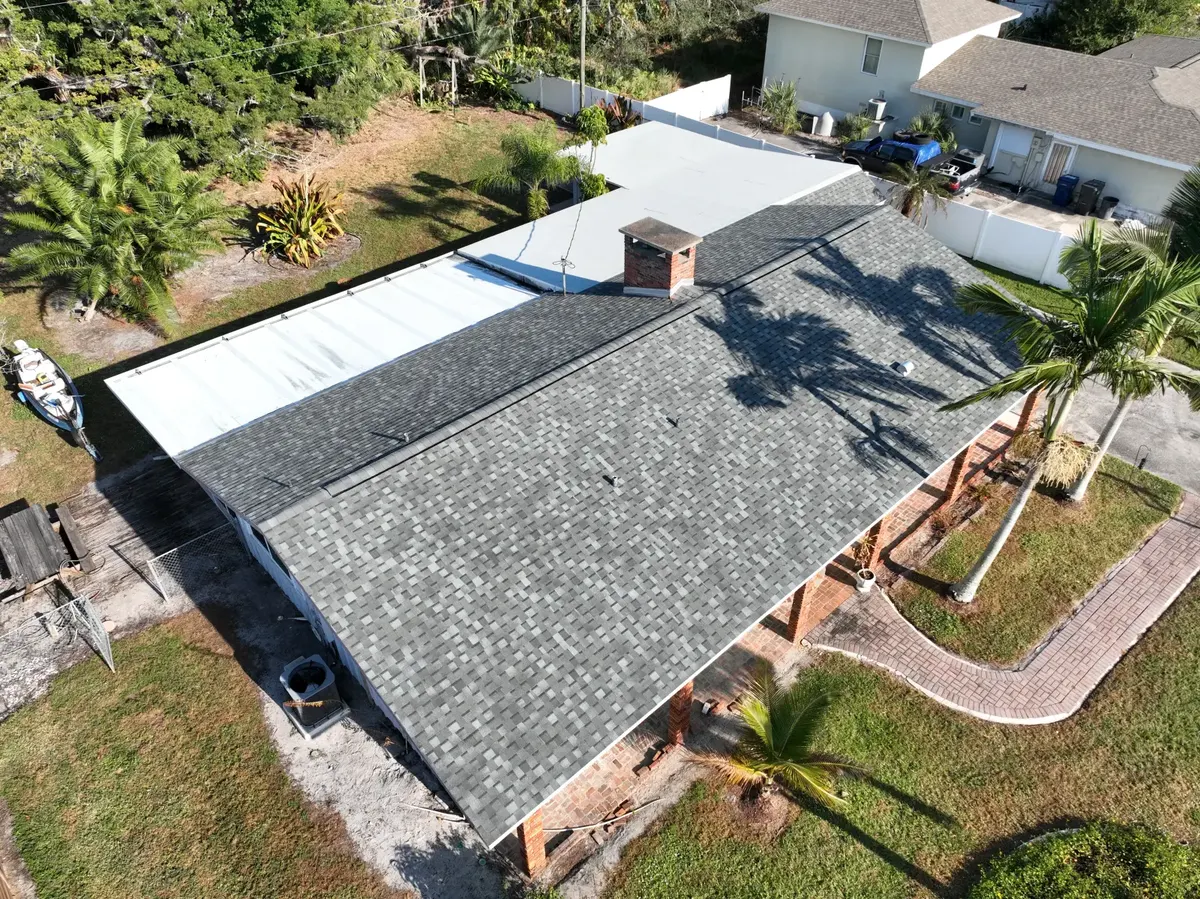
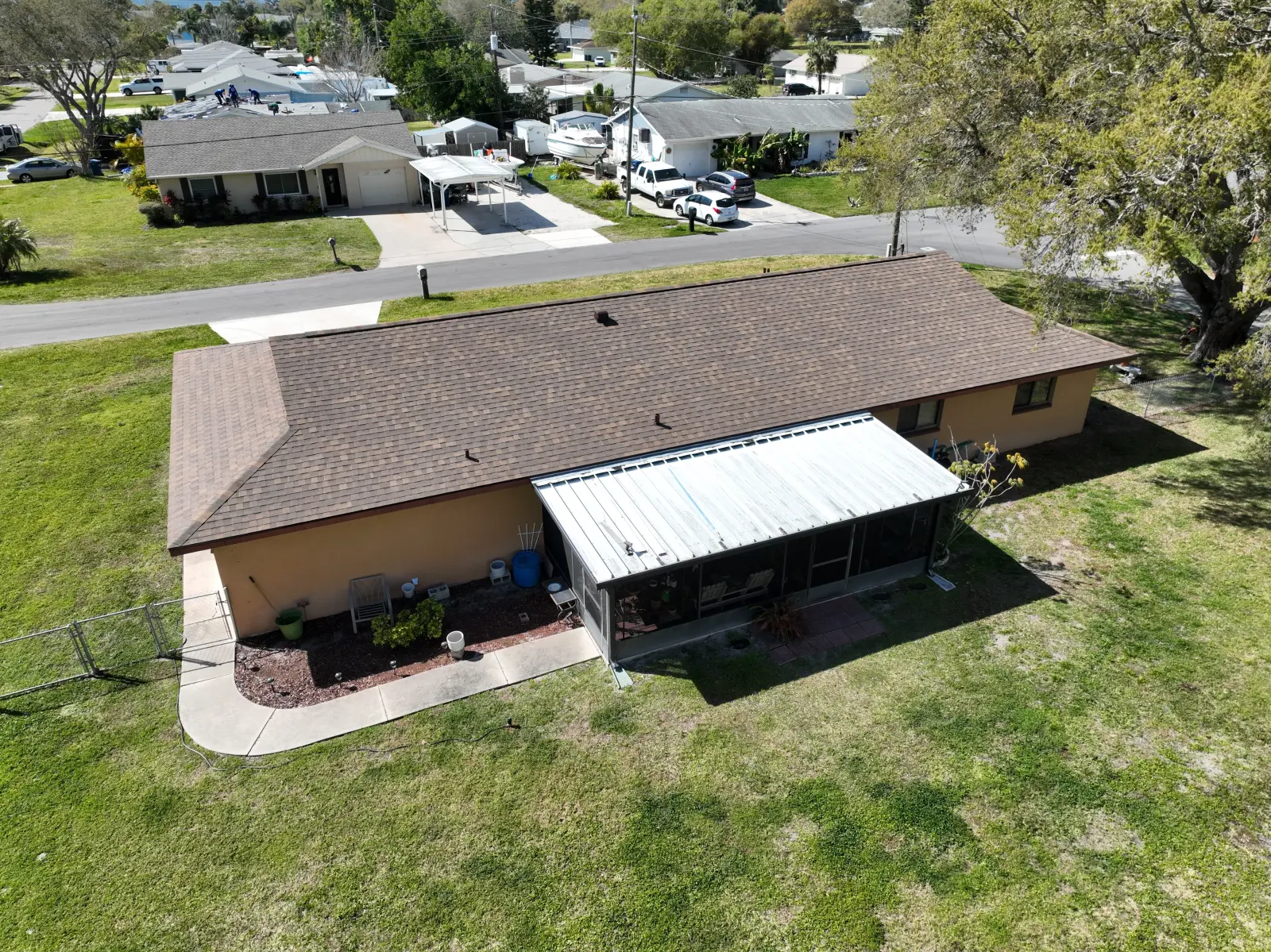
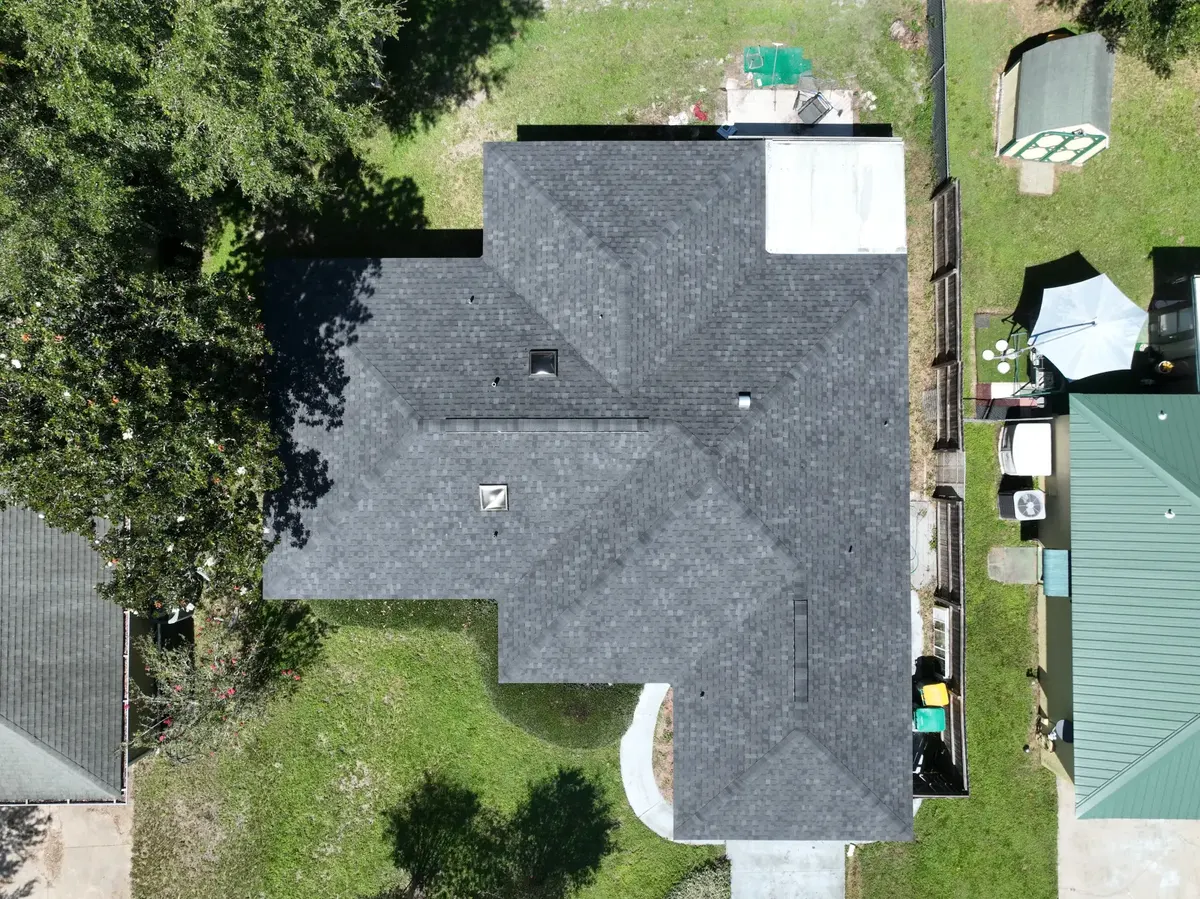
We get into the attic, check the framing and decking, and give you a written photo report and an honest read: a simple decking repair, a sistered rafter, or a structural problem that needs an engineer. No trip fee, no diagnostic fee, no pressure.
Schedule your free inspection"They go the extra mile to get what their customers need or want. Chimney caps, skylight, they handle it all."Chimney F.Repairs and extras, Florida Gulf Coast
"I called and spoke to Will about doing a roof repair that I needed done for a 4-point inspection and needed it done quickly. ... He showed up on time and completed the repairs as promised."Ron L.4-point inspection repair, Florida Gulf Coast
"They provided excellent service at every level, from the rep who came out to get things started, to the office manager, to the crew manager. They were all amazing, respectful, responsive, professional and really made you feel like they wanted to do a good job for you."René B.Roof replacement, Florida Gulf Coast
It depends on what is sagging and how fast. A shallow, stable dip between two rafters that has not changed in years is usually not an emergency, though it still needs to be looked at. A ridge that is visibly bowing, a sag that appeared suddenly or is clearly getting worse, or any dip paired with cracking sounds, doors and windows that stick, or visible bending inside the attic should be inspected promptly. When the structure itself is moving, sooner is better.
A deck sag is the plywood or OSB decking bowing between the rafters, usually from a slow leak rotting the wood. It shows as a shallow wave or a sunken panel while the ridge and rafters around it stay straight, and the fix is replacing those sheets of decking. A structural sag is the frame itself bending: the ridge line dips or whole rafters and trusses bow. That follows the structure rather than sitting in one panel and needs framing repair, sometimes with a structural engineer involved.
The big ones here are long-term water intrusion that rotted the decking or rafters, trapped attic moisture keeping the wood damp, termite and pest damage to the framing, undersized or aged framing, and too much weight from layered-on roofs or a heavier material the frame was never sized for. Florida's heat and humidity make the water-driven causes especially common, because a slow leak can rot wood from below for years before the sag ever shows.
Often it can be repaired. If the cause is a few sheets of water-rotted decking, replacing those sheets flattens the slope. A weakened rafter can frequently be sistered, where a new member is fastened alongside the old one to carry the load. Full replacement comes into play when the decking is rotted across large areas or the roof is at the end of its life anyway. A free inspection tells you which situation you are in before you commit to anything.
Usually not, but sometimes yes, and we will tell you honestly which it is. Most sags are decking or a single weakened member that a roofer can repair directly. When multiple trusses or the ridge are compromised, or the sag is severe, a structural engineer should assess the framing and sign off on the repair plan before work begins. We would rather hand you to the right professional than guess on something that holds your house up.
Yes. The inspection, the attic and exterior survey, and the written photo report are free, with no trip fee and no diagnostic fee. You get the photos and an honest read on whether the dip is decking, framing, or a structural problem that needs an engineer. Call (941) 896-7793 or text (941) 345-0072 to schedule.
Free attic and exterior inspection, a written photo report, and an honest answer on whether it is decking, framing, or a structural fix.
Leave your name and number. We typically call back the same day during business hours. Consent to texts is not required.