
★★★★★
"They repaired the leaky patio roof that another company installed poorly. The roofer showed me pictures of the 2 inch gaps and fixed the problem."Anne P.Patio roof leak repair, Florida Gulf Coast
Cracked, slipped, or broken tiles do not always mean a new roof. On most Sarasota tile homes the tile is fine and the leak is coming from the underlayment underneath, or from flashing and ridge mortar under perfectly good tile. Coastline diagnoses the real problem with a drone inspection, repairs spot damage, and re-underlays without a full replacement when the tile is still sound. Barrel and Spanish S-tile, concrete and clay, from West of Trail to Siesta Key. Free inspection, written photo report, honest answer on what your roof actually needs.
Here is the situation most Sarasota homeowners are in when they call. There is a stain spreading on a ceiling, or a few tiles look out of place after a storm, or a buyer's inspector flagged the roof. So you get a roofer out, and before you know it you are looking at a quote for a full tile replacement on a roof where every single tile, from the street, looks brand new. That feels wrong, and most of the time it is wrong. You are being sold the most expensive answer to a problem that has a far cheaper fix.
The piece that almost nobody explains is this: on a Sarasota tile roof, the tile is not what keeps water out. The concrete or clay tile sheds the bulk of the rain and shields everything below it from sun, and good tile lasts 40, 50, even more years. The part that actually waterproofs your home is the underlayment membrane underneath the tile, and in Florida heat that membrane ages out in roughly 20 to 25 years. So you end up with the classic Sarasota tile situation: beautiful tile on top, a leak underneath, and a waterproof layer that quietly reached the end of its life while the tile still looked perfect. That is not a tile problem. It is an underlayment problem wearing a tile costume.
That gap is exactly where homeowners get oversold. A roofer who only quotes full replacements is not lying to you about the tile being old, they are just skipping the part where they tell you the tile is fine and only the layer beneath it failed. The real questions are: how widespread is the leak, is the tile still sound, and can the existing tile be reused. Answer those honestly and most Sarasota tile roofs do not need a tear-off at all. They need a targeted repair, or a lift-and-relay re-underlayment that keeps your tile and replaces only the waterproofing. A Coastline tile repair starts with a drone inspection and a written photo report so you can see what we see, and the recommendation comes in writing. The parent tile roofing guide covers concrete vs clay and the full underlayment lifecycle in more depth.
If you have a handful of cracked, broken, or slipped tiles and the underlayment beneath them is still sound, this is a targeted repair. We swap the damaged tiles, reseat anything that slipped, and re-bed loose ridge tile. The rest of the roof is never touched. This is the most common tile repair we do in Sarasota, and it is a fraction of the cost of anything bigger.
When leaks are showing up in more than one spot and the photos point to a failed underlayment, but the tile itself is still sound, the right fix is a lift-and-relay. We lift your existing tile, stack it, install a new code-compliant underlayment, then reinstall the same tile. You keep your tile, which matters when the profile is discontinued, and add 20 plus years of waterproofing.
When the tile itself is spalling, widely cracked, or too brittle to reuse, and the underlayment has failed too, re-underlayment is not possible because there is no good tile to relay. That is when a full tear-off and new tile roof is genuinely the right call. It is the least common of the three on the Sarasota roofs we inspect, and we only recommend it when the photos prove it.
A drone flies every slope, we look closely at the leak area, and where it is safe we check the attic and ceilings. The photos show whether the tile is sound, whether the underlayment has failed, and how widespread it is. You get a written report with the recommendation: repair, re-underlay, or replace. Never a verbal "it is bad," and never the expensive answer when a cheaper one fixes it.
Sarasota has barrel and Spanish tile everywhere, two very different eras of it, and the Gulf right next door. All three shape the repair.
Call (941) 896-7793 or text your address to (941) 345-0072. We fly every slope of your Sarasota tile roof and look closely at the leak area. Walking tile cracks it, so we use the drone first and go up only to confirm. No trip fee to come out.
You get a written report with the photos and a plain-language read: is it a few cracked or slipped tiles, a failed underlayment under good tile, or genuinely failed tile. We tell you which of the three options fits, in writing, with the photos to back it.
A written scope with photo backup. We identify your tile profile and source the match, including for discontinued profiles. Where a permit is needed we pull it through Sarasota County or the City of Sarasota, with extra review for historic district homes.
Damaged tile replaced, slipped tile reseated, ridge re-bedded, flashing renewed in non-ferrous metal, or a full lift-and-relay re-underlayment if that is the call. Fastened to Florida Building Code. Daily photos during the work, close-out photos at the end, and Josh reviews every job.
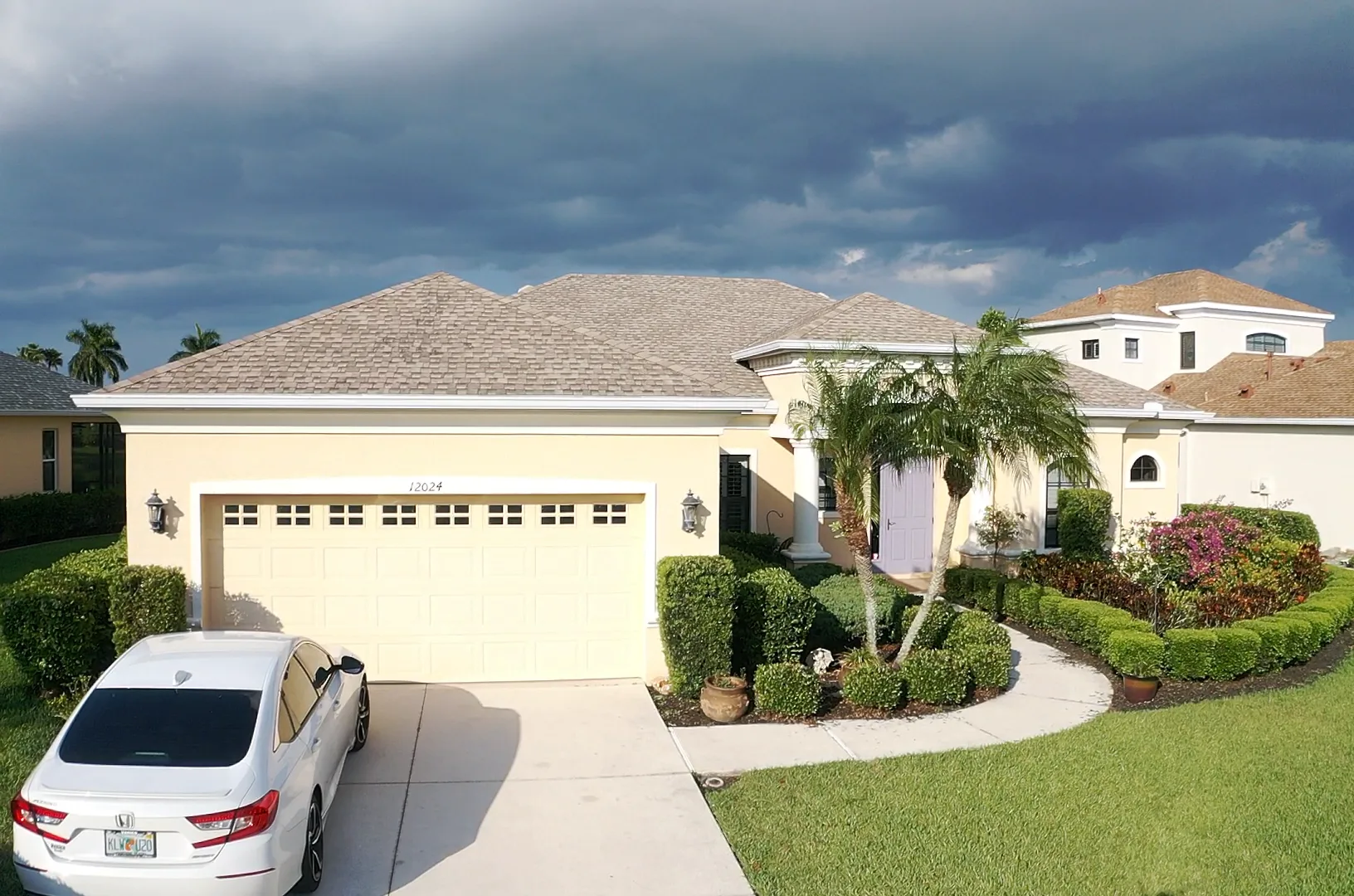
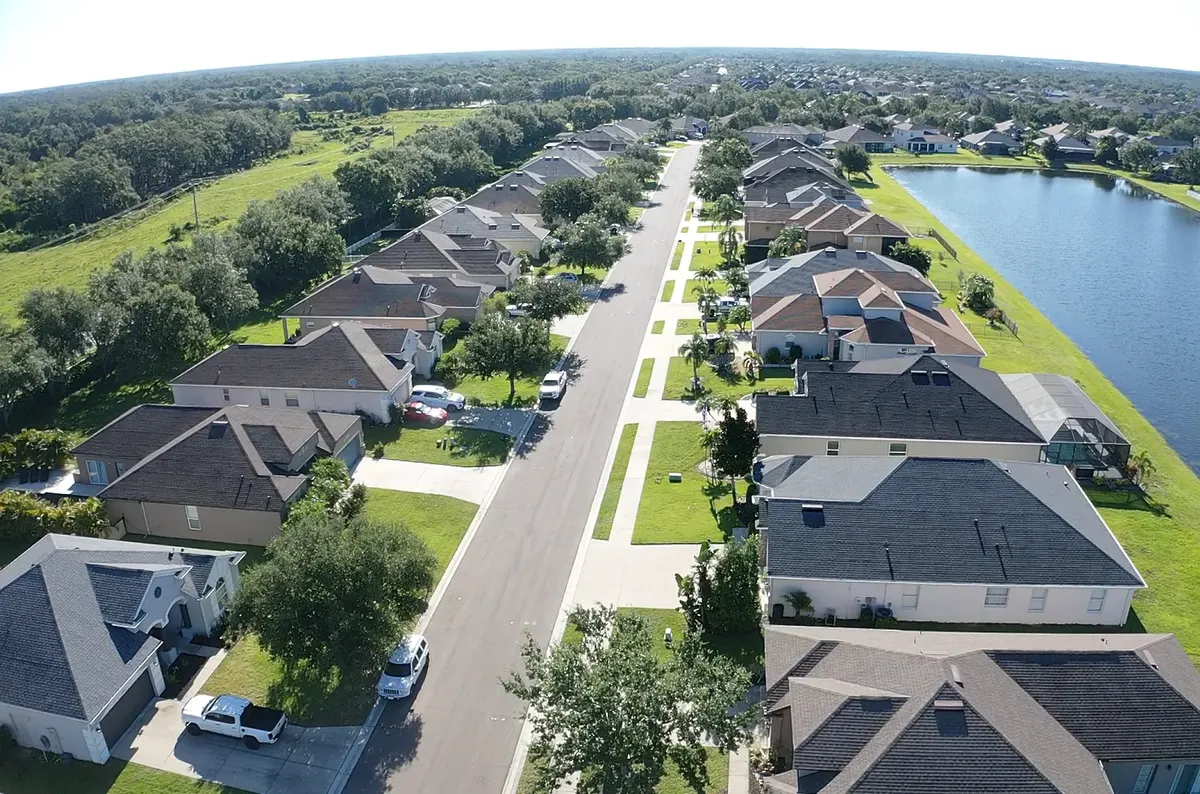
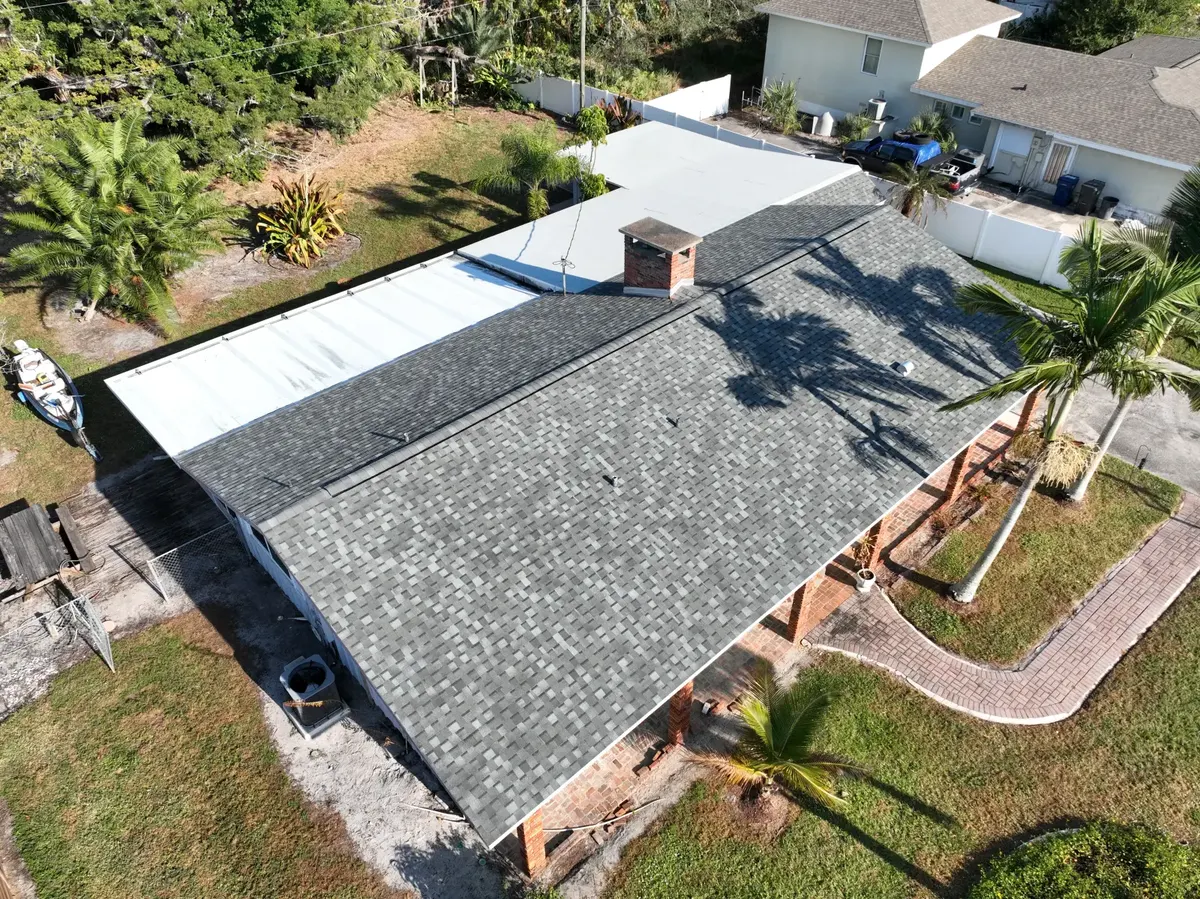
A spot repair on a few cracked tiles is a very different number than a lift-and-relay re-underlayment on a full Palmer Ranch S-tile roof, which is different again from a flashing repair under sound tile on Siesta Key. Coastline prices every Sarasota tile repair from a drone inspection and a written scope, not a square-footage guess over the phone. The inspection carries no trip fee and no obligation across the Sarasota service area. You get the photos and the written recommendation whether you hire us or not.
Schedule your free tile inspection"They repaired the leaky patio roof that another company installed poorly. The roofer showed me pictures of the 2 inch gaps and fixed the problem."Anne P.Patio roof leak repair, Florida Gulf Coast
"Had another company put on a new roof and after inspection several issues were obvious. Coastline had a crew come make the needed repairs within a week. Would use them again."Dan H.Repair after a bad install, Florida Gulf Coast
"They go the extra mile to get what their customers need. Chimney caps, skylights, they handle it all."Chimney F.Repairs and extras, Florida Gulf Coast
Yes, in most cases. If you have a handful of cracked, slipped, or broken tiles and the underlayment beneath them is still doing its job, a targeted spot repair fixes it without touching the rest of the roof. We replace the damaged tiles, re-bed any loose ridge tile, and reseat anything that slipped. We only recommend re-underlayment or replacement when the photos show the waterproof layer underneath has actually failed.
Because on most Sarasota tile roofs the tile is not the waterproof layer. The concrete or clay tile sheds the bulk of the water and lasts 40 to 50 plus years, but the actual waterproofing is the underlayment membrane underneath, and that ages out in roughly 20 to 25 years in Florida heat. When the underlayment cracks or dries out, water that gets under the tile in wind-driven rain reaches your deck and your ceiling, even though every tile on the roof looks perfect from the street.
It is the standard fix when the underlayment has failed but the tile is still good. The existing concrete or clay tile is carefully lifted off and stacked, the old underlayment is stripped, a new code-compliant waterproof underlayment is installed, then the same sound tile is reinstalled. You reuse your tile, which matters a lot in Sarasota where many barrel and S-tile profiles are discontinued, and you add 20 plus years of waterproofing life for far less than a full new tile roof.
Matching is often the real challenge on a Sarasota tile repair. Eagle, Boral, and Crown S-tile profiles from 1995 to 2015 builds in Palmer Ranch, The Landings, and the Bird Key area are usually still in production or have close current matches. Original 1920s and 1930s clay barrel from West of Trail and the historic district frequently is not made anymore. When a profile is discontinued we source the closest match, and we often harvest sound tile from a less-visible slope to keep visible slopes consistent.
Quite possibly. Ian and Milton lifted and cracked tile across Sarasota, blew out ridge mortar, and bent flashing, sometimes without leaving obvious debris in the yard. Wind can also slip a tile out of position so water gets under the field. A drone inspection documents cracked and slipped tile, lifted flashing, and ridge damage with dated photos, which protects your insurance claim. In Florida you generally have one year from the date of loss to report a hurricane or windstorm claim, so getting it documented early matters.
Yes, on any repair that requires one. Sarasota County and the City of Sarasota have separate permitting offices, and homes in the downtown historic district and Laurel Park get additional review for visible exterior work. Tile fastening at perimeters, hips, and ridges has to meet Florida Building Code, so a proper repair is not just sliding a new tile in. We pull the permit, do the work to code, and close it out. License CCC1331076.
Free drone inspection. Written photo report. Spot repair, re-underlay, or replace, with the photos to prove which one you actually need.
Leave your name and number. We typically call back the same day during business hours. Consent to texts is not required.