
★★★★★
"Coastline did a great job. Very prompt and professional."Philip J.Roof work, Florida Gulf Coast
Updated June 2026
You have a leak, or a storm tore at the shingles, and now you are staring at a policy you have never really read trying to figure out whether your insurer will pay for any of it. Here is the short version: homeowners insurance covers sudden, accidental roof damage from a covered cause, not the slow wear that comes from age and weather. Knowing which side of that line your roof is on is the whole ballgame. This page walks through what is covered, what is excluded, how Florida's market changed the math, and the deadlines that quietly run out on you.
Every standard homeowners policy in Florida is built on one idea: it pays for damage that happens suddenly, by accident, from a specific event the policy lists. Insurers call those listed events "covered perils." A windstorm that lifts shingles on a Tuesday afternoon is sudden and accidental. A tree limb that crashes through the deck during a hurricane is sudden and accidental. A roof that slowly dried out, curled, and lost its granules over fifteen Florida summers is neither. It is expected. The sun was always going to do that, and the policy was never meant to pay for the ordinary aging of your house.
That single distinction is why two roofs with similar-looking damage get opposite answers from the same insurer. The question your adjuster is really asking is not "is this roof damaged?" It is "what caused this, and when?" If the answer is a covered peril on a datable day, the claim has a path. If the answer is time, heat, and neglect, it does not, no matter how bad the roof looks. Most claim fights, and most of the frustration homeowners feel, come down to a disagreement about that one question of cause.
So before you file, it helps to understand both columns: the events that count as covered perils, and the conditions that insurers treat as your responsibility to maintain. Below is the plain-English version of each, written for a Florida Gulf Coast roof that lives under brutal UV, summer storms, and the threat of a named system every hurricane season.
Wind, hail, hurricane, a fallen tree or flying debris, and fire are the classic covered perils. So is sudden water intrusion caused by one of those events, like a leak that starts the day a windstorm peels back your shingles. These are the events a roof claim is built on: sudden, accidental, and tied to a specific date.
Normal aging, deterioration, granule loss from a roof simply getting old, general wear and tear, pre-existing damage, and anything tied to deferred maintenance are excluded. A roof that failed because nobody ever maintained it, or because it aged out, is not a covered loss. Sometimes cosmetic-only damage that does not affect function is excluded too.
On older roofs, many Florida policies now pay only actual cash value, the depreciated worth, instead of full replacement cost. Some carriers will not write or renew coverage on a roof past a certain age, or carve roofs out of the policy entirely. Your roof's age changes not just whether you are covered, but how much you actually get.
Florida policies carry a separate hurricane deductible, often 2 percent of your home's insured value rather than a flat dollar amount, which on a named storm can be thousands of dollars before the insurer pays a cent. Wind or hail outside a named hurricane usually falls under the lower all-other-perils deductible. Know which one applies before you file.
Here is the uncomfortable part. The line between covered storm damage and excluded wear is not always obvious from the ground, and the adjuster is the one who draws it. When damage is genuinely borderline, lifted shingles that could be wind or could be age, a leak that could be a recent storm or a slow problem, the classification an adjuster picks decides whether you get paid. And the cheaper classification for the insurer is almost always "wear and tear." A roof that is a few years old gets the benefit of the doubt. A roof that is fifteen years old in the Florida sun gets the skeptical read, because age gives the adjuster an easy story to point at.
That is not always bad faith, and it is not always wrong. Plenty of old roofs really did just wear out. But it does mean a borderline claim lives or dies on the evidence. If all the adjuster has is a quick look and an old roof, the easy call is denial. If there is a clear, dated photo record showing fresh wind or impact damage that is distinct from the general aging, the cause is far harder to wave away. We go deeper on exactly how adjusters use this label, and how to push back, in our guide on adjusters blaming wear and tear.
This is the single most useful thing to understand before you file: documentation is not paperwork, it is leverage. The roof that gets covered is usually the roof that was clearly documented as storm-damaged, promptly, by someone who knows what a wind or impact failure looks like next to ordinary aging. The roof that gets denied is often the one nobody photographed properly until weeks later.
If your parents told you how their roof claim went, throw it out. Florida's insurance market changed hard after the reforms that followed years of litigation and storm losses. Here is what actually affects your roof now.
Once a claim is approved, the next fight is scope. Insurers prefer the cheapest fix that restores function, so a few wind-lifted shingles often gets a repair, while widespread storm damage across multiple slopes pushes toward full replacement. Your policy type drives the dollar amount: a replacement-cost policy pays to put back what you had, often in two stages, an initial actual-cash-value check and the rest once the work is completed and documented. An actual-cash-value policy pays the depreciated number and stops there, which on an older roof can be far less than the cost to actually replace it.
This is exactly why the actual-cash-value versus replacement-cost distinction matters so much on Gulf Coast roofs, and we break the two settlement types down in plain numbers in our guide on ACV vs. RCV roof settlements. It is also why a thorough, dated inspection report works in your favor: it documents the true extent of the damage so the scope is not quietly minimized into a patch when the roof needs more.
You do not have to figure out the covered-versus-excluded line by yourself, and you should not wait. Coastline does a free roof inspection with a drone flyover and a written photo report you can hand straight to your adjuster. We document the damage, note what points to a storm or impact cause versus ordinary aging, and give you a clear, dated record. That report is the single most useful thing you can have when the question of cause comes up, because it puts real evidence on the table instead of a quick glance and a guess.
Be clear on what we are and what we are not. Coastline documents your damage and works alongside your adjuster, and our guide on how Florida roof insurance claims work walks the whole process step by step. We are not a public adjuster. Public adjusters are licensed under Florida Statute 626.854 and negotiate your claim with the insurer for a percentage fee. We do not negotiate your claim and we do not take a cut of your settlement. We are the roofer who documents the damage honestly and does the work right. If your claim has already been denied, our guide on fighting a roof claim denial covers your options, and for the rules tied specifically to roof age, see our blog on Florida roof age insurance requirements.
The clock is the part people forget. With only one year from the date of loss to file under the current statute, the worst move is to sit on storm damage waiting to see if it gets worse. Get it documented now, while the cause is fresh and clear, and you keep every option open. Start with a free inspection, then loop in our insurance claim help if the damage is storm-related.
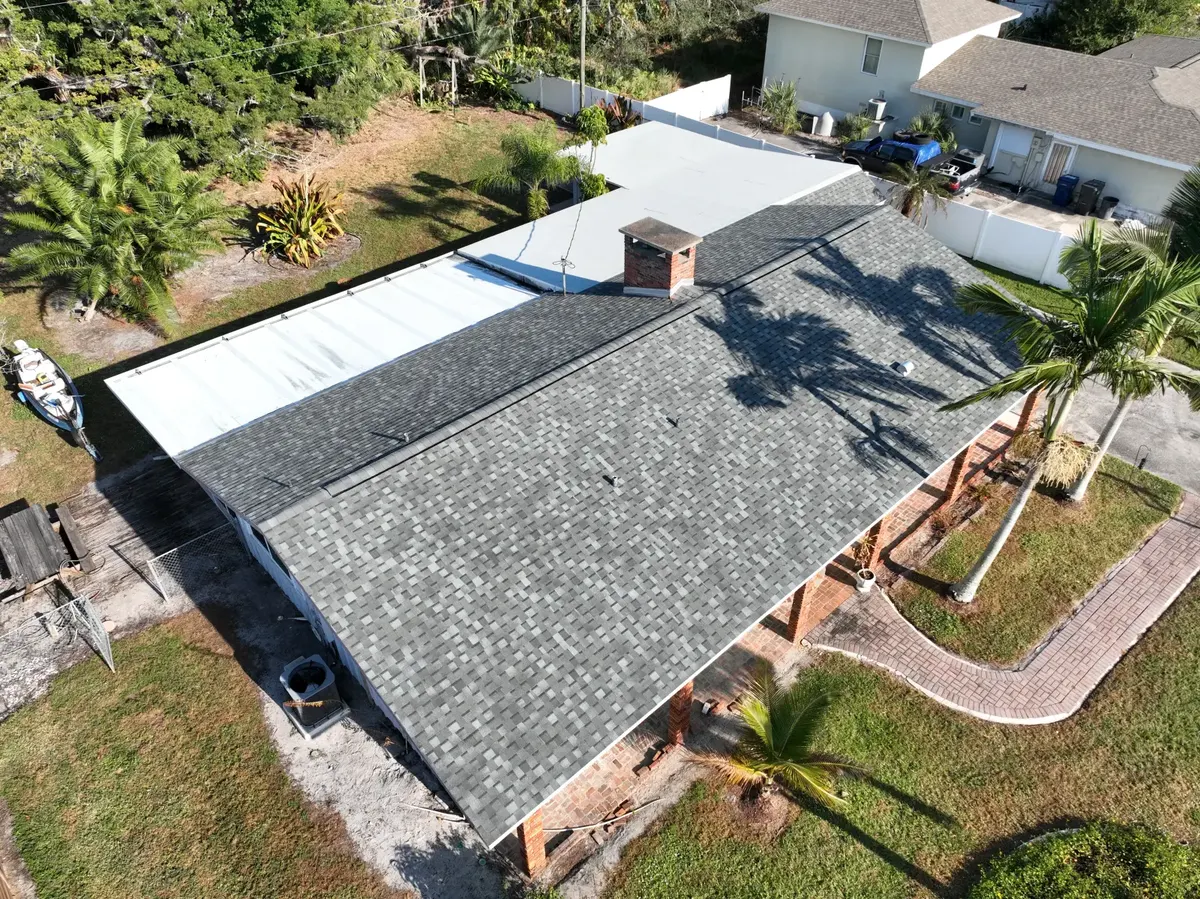
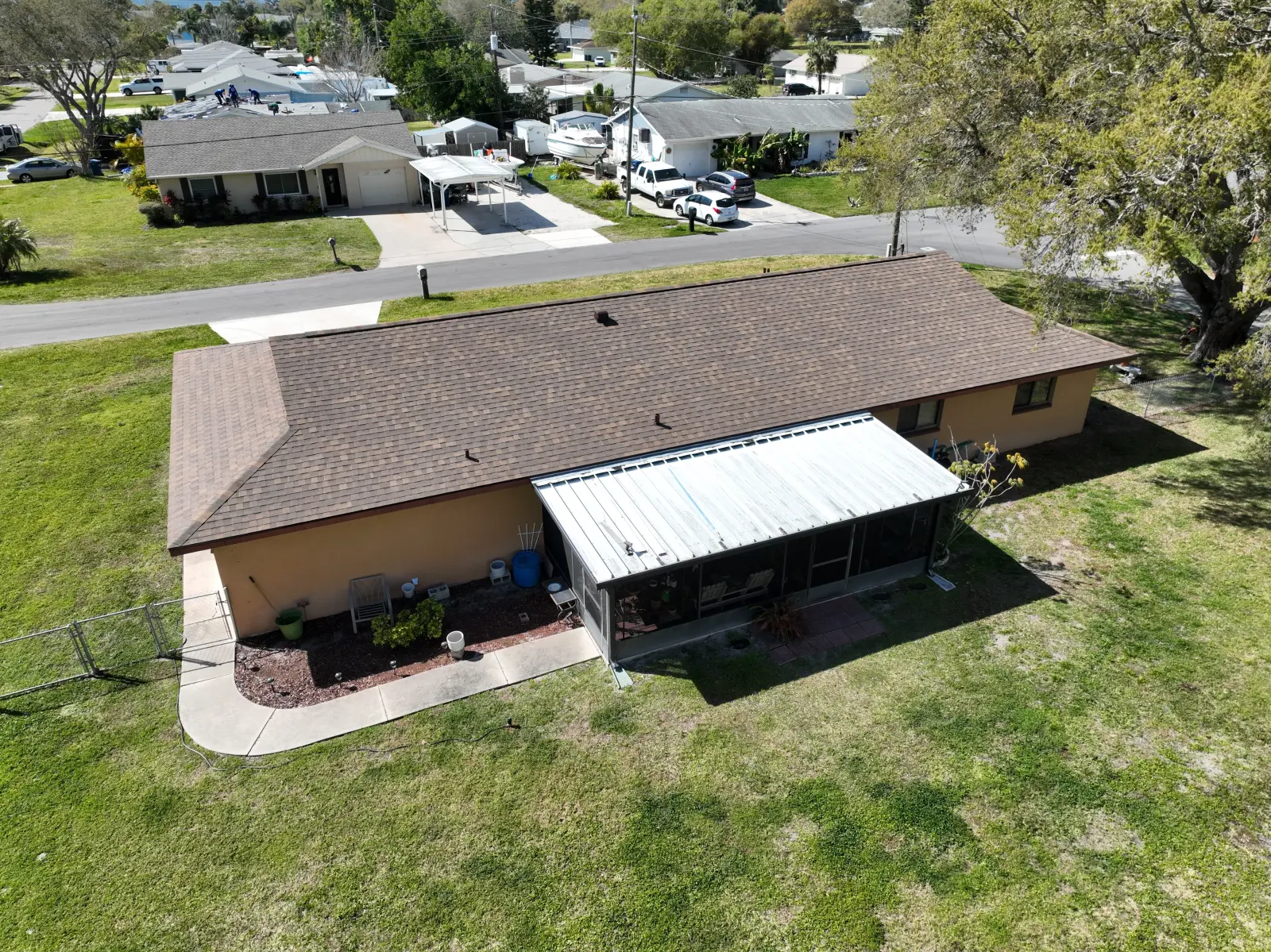
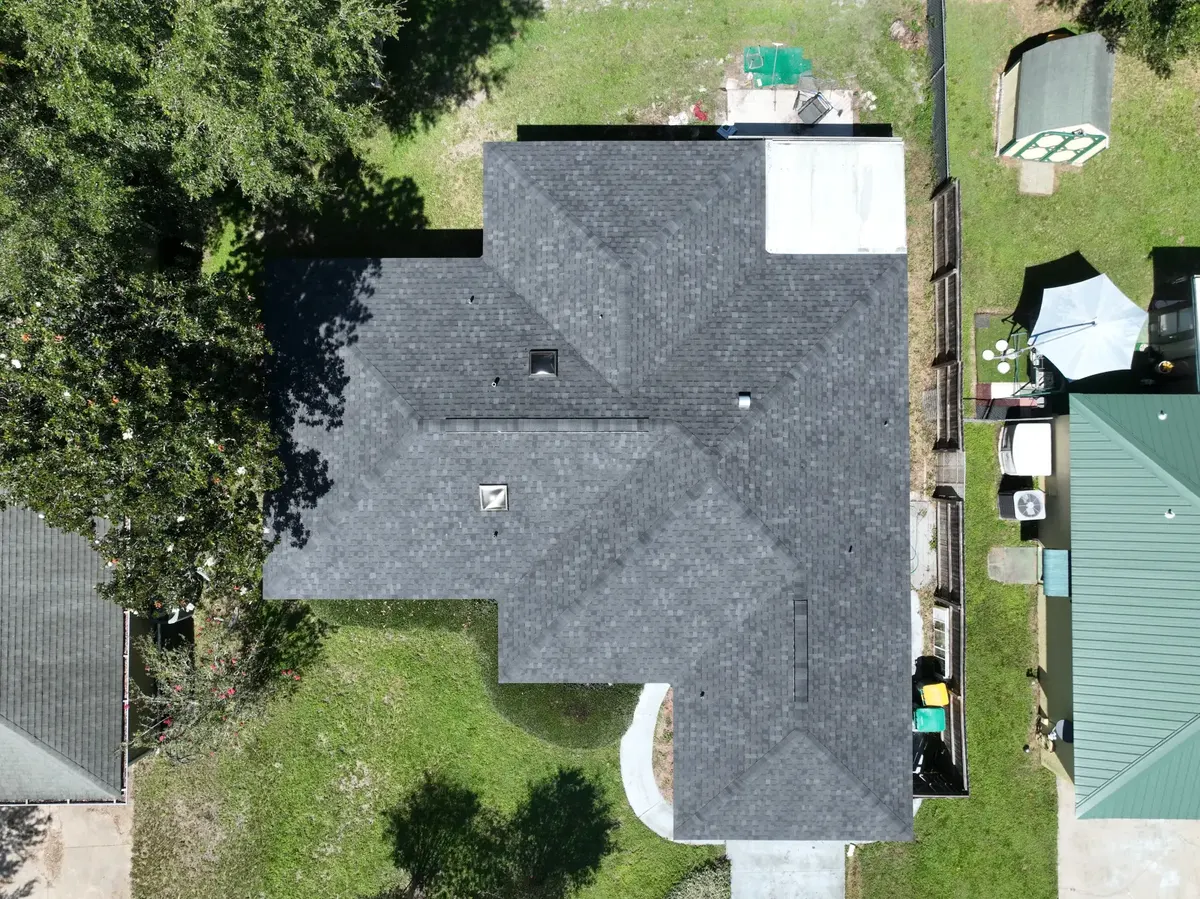
A drone flyover, a dated written photo report, and an honest read on whether your damage points to a covered storm cause or ordinary wear. No trip fee, no diagnostic fee, no pressure. We document the roof, you keep the photos, and you walk into the claim with real evidence.
Schedule your free inspection"Coastline did a great job. Very prompt and professional."Philip J.Roof work, Florida Gulf Coast
"They replaced the whole roof, plywood, and fascia. Great job."Munji S.Full roof, plywood, fascia, Florida Gulf Coast
"Fast and professional service from Coastline. Very happy with the roof."Dawn K.Roof service, Florida Gulf Coast
It depends entirely on the cause. If the leak started because a covered peril damaged the roof, like a windstorm lifting shingles or a tree puncturing the deck, the resulting leak is usually covered. If the leak came from a roof that slowly wore out, aged, or was never maintained, it is treated as wear and tear and is excluded. The insurer is not asking whether the roof leaks, they are asking what caused it and when.
Sometimes, but often not at full value. Many Florida carriers now settle older roofs at actual cash value, the depreciated amount, instead of full replacement cost. Some will not insure a roof past a certain age at all, or attach roof-age exclusions. Even when storm damage to an old roof is covered, the depreciation can leave you with far less than the cost to replace it.
Under Florida Statute 627.70132, you have one year from the date of loss to file a new or reopened claim, and 18 months for a supplemental claim. These windows are shorter than the old rules, so do not wait. The smartest move is to get storm damage documented promptly, while the cause is fresh, and file within the window.
Florida policies carry a separate hurricane deductible that applies to damage from a named storm. It is usually a percentage of your home's insured value rather than a flat dollar amount, which can mean thousands of dollars out of pocket before the insurer pays. Wind or hail damage outside a named hurricane typically falls under your lower all-other-perils deductible. Check which one applies before you file.
No. Public adjusters are licensed under Florida Statute 626.854 and negotiate your claim with the insurer for a fee, usually a percentage of your settlement. Coastline does not do that. We document your roof damage with a written photo report and work alongside your adjuster, and we do the roofing work. We do not negotiate your claim and we do not take a cut of your payout.
Because on a borderline roof, the wear-and-tear classification is the cheaper call for the insurer, and an older roof gives the adjuster an easy story to point at. It is not always wrong, but it is far harder to apply when there is clear, dated photo evidence showing fresh storm or impact damage that is distinct from ordinary aging. That is exactly why getting the roof documented promptly matters so much. Call (941) 896-7793 or text (941) 345-0072 and we will get it on record.
Free drone inspection, a dated written photo report for your adjuster, and an honest read on whether the cause points to a covered storm or ordinary wear.
Leave your name and number. We typically call back the same day during business hours. Consent to texts is not required.