Roof Insurance Claim Help

Your Adjuster Said "Wear and Tear." What That Means and What You Can Do

A storm came through, you filed a claim, and the letter came back denied or cut to almost nothing. The reason given was wear and tear, deterioration, age, or lack of maintenance. It is one of the most frustrating things a Florida homeowner can read, especially when you saw the damage happen. Here is what that language actually means, why insurers lean on it, and the concrete steps you can take to document real storm damage and push back.

Licensed & InsuredFlorida CCC1331076
4.7 stars57 Google reviews
10 yearsFlorida-licensed
2,000+Roofs completed
The problem

You had real storm damage, and the claim came back as "maintenance."

This is one of the most common situations we see across Manatee, Sarasota, and the Tampa Bay area after a named storm. A homeowner watches wind tear at the roof, finds water in the ceiling, and files a claim in good faith. Weeks later the insurer responds with a denial or a payout so small it would not cover a fraction of the work. The reason cited is some version of the same phrase: wear and tear, deterioration, age, pre-existing condition, or lack of maintenance.

It feels personal, and it is meant to feel final. It is not always either one. That phrase points to a real exclusion that exists in nearly every Florida homeowners policy, but it is also the single most stretched and overused justification for cutting a roof claim. The question is whether the damage you are looking at was caused by a sudden, covered event, or by the slow aging of the roof. When both are present on the same roof, and on an older Florida roof both usually are, the insurer is supposed to separate what the storm actually did from what time did. Many adjusters do not, and instead label the whole thing maintenance and close the file.

Why it happens

What the wear and tear exclusion really means

Florida homeowners insurance is built to cover sudden, accidental damage from a covered peril. It is not built to pay for the predictable aging of your roof.

A standard policy covers a defined list of perils: wind, hail, a tree falling, sudden accidental events. It specifically excludes wear and tear, deterioration, age, marring, and damage from neglect or failure to maintain the property. That exclusion is legitimate. No insurer is supposed to pay to replace a thirty-year-old shingle roof that simply reached the end of its life. Granule loss, brittle shingles, dried-out sealant, and worn flashing are the normal aging of a roof, and they are excluded.

The problem is the gray zone. A roof can be ten or fifteen years old, still functioning, and then a windstorm lifts shingles, cracks tiles, or bends flashing in a single afternoon. That is sudden damage from a covered peril, and it is supposed to be covered, even on an older roof. Age alone does not erase coverage when a storm causes the loss. But the adjuster who comes out works for the insurer, not for you. When the damage is borderline, the incentive is to point at the worn granules and the roof's age and classify the whole claim as excluded wear and tear. It is faster, it costs the carrier nothing, and it puts the burden back on you to prove otherwise.

None of that means you are stuck. It means the fight is about evidence. Your job, with the right help, is to show that a specific covered event caused specific, identifiable damage, and to tie it to a date. That is a documentation problem, and documentation is something you can build.

What you can do

Five steps to push back on a wear and tear denial

1

Get the denial in writing and read the exact exclusion cited

Do not rely on a phone call. Ask for the denial in writing, then find the specific policy section the insurer is leaning on. There is a difference between a denial that says the roof failed from age and one that says the damage was excluded wear and tear despite a covered event. Knowing the exact language tells you what you actually have to disprove.

2

Get an independent licensed roofer's documented inspection

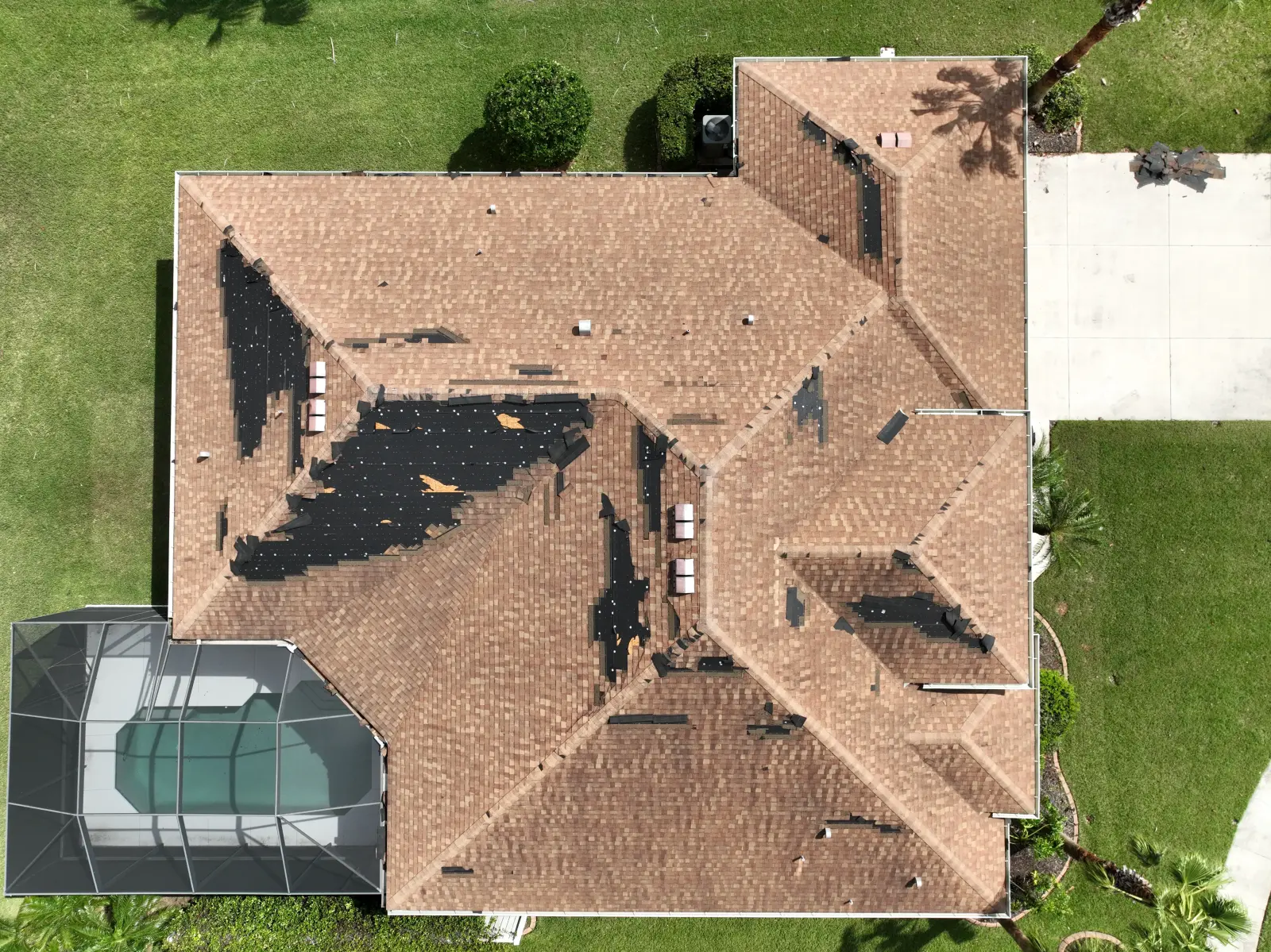
Have a licensed Florida roofer inspect the roof and produce a written report with timestamped photos. The goal is to identify damage that points to a sudden event, wind-lifted or creased shingles, fresh tile cracks, displaced flashing, impact marks, and to tie it to a specific storm and date. A clear, dated photo record is the single strongest tool you have against a maintenance label.

3

Review your own policy language

Read your declarations page and the perils your policy covers. Confirm your deductible, including any separate hurricane deductible, and check whether your roof is on replacement cost value or actual cash value, because that changes what a payout would look like. Knowing your own coverage keeps the conversation grounded in what the policy actually promises.

4

File a supplemental or reopened claim within the Florida deadline

Florida sets hard deadlines under Statute 627.70132. A new or reopened claim is barred unless notice is given within one year of the date of loss, and a supplemental claim is barred after eighteen months from the date of loss. For weather events the date of loss is the date the storm is verified by NOAA, not the day you noticed the leak. These windows close fast, so do not sit on new evidence.

5

If the dispute is about money, that is a public adjuster's or attorney's role

If the disagreement is about the dollar amount of the settlement, that crosses into adjusting and negotiating the claim. Under Florida law, only a licensed public adjuster or an attorney can negotiate your settlement on your behalf. A roofing contractor cannot do that part. If your denial really comes down to how much the carrier owes you, that is the point to bring in a public adjuster or an attorney.

Where Coastline fits, and where we do not

Coastline can inspect your roof, document the damage with timestamped photos, write a clear damage scope, and attend the adjuster meeting to walk through what we found. Under Florida Statute 626.854, a licensed contractor is allowed to discuss and explain a repair bid with you and with the insurer, and that is exactly what we do.

What we are not: Coastline is not a public adjuster. We cannot adjust or negotiate your settlement, and we cannot tell the carrier what they owe you. Florida law reserves that work for a licensed public adjuster or an attorney. We will be honest with you about which side of that line your situation falls on, and point you to the right professional when it is a money dispute.

Watch out

Do not hand your claim to a storm-chasing door knocker

After every Florida storm, out-of-town crews go door to door offering to handle your insurance and asking you to sign an Assignment of Benefits, or AOB, before any work begins. Signing an AOB hands your claim rights to that contractor. Some are legitimate. Many are not, and homeowners have ended up with liens, bad work, and no recourse when the crew left the state.

Before you sign anything, verify the contractor's Florida license. You can check any roofing license at myfloridalicense.com. A real contractor gives you a written quote first, lets you verify the license freely, and never pressures you to sign over your benefits to get an inspection. Coastline's Florida license is CCC1331076, and we never ask for an AOB to look at your roof.

For more on the specific phrases that can get a legitimate claim minimized, read our companion guide on what not to say to a roof insurance adjuster.

Free documented inspection

Get your damage on the record before the claim deadline closes

If your claim was denied or cut for wear and tear and you believe a storm caused the damage, the most useful thing you can do is get a licensed roofer's documented inspection on file. Coastline's roof inspections are free, with no trip fee and no obligation. We deliver timestamped photos and a written damage scope you can use with your carrier. See our free roof inspection page for what is included.

Schedule your free inspection
Reviews

What Florida homeowners say about Coastline

★★★★★
After a recent storm, I was worried about the extent of the damage, but their team quickly assessed the situation and provided a comprehensive repair plan. They were transparent about the costs and kept me informed. They even conducted a follow-up inspection.
Gilberto M.Storm damage documentation, Florida Gulf Coast
★★★★★
I can't say enough good things about Coastline Roofing. They provided excellent service at every level, respectful, responsive, professional.
Rene B.Roof project, Florida Gulf Coast
★★★★★
Great company. Quick response and excellent customer service. I would recommend you to anyone needing a new roof or roof repairs.
Marilyn O.Roof repair and replacement, Florida Gulf Coast
FAQ

Common questions about wear and tear roof denials in Florida

Can an insurer deny my roof claim just because my roof is old?

Age alone is not supposed to erase coverage. If a covered event like a windstorm caused sudden, identifiable damage, that damage can be covered even on an older roof. The exclusion is for damage that resulted from wear, deterioration, or neglect, not for a storm hitting an older roof. The disagreement usually comes down to evidence: can you show that a specific covered event caused specific damage on a specific date. That is exactly what a documented inspection is for.

How long do I have to dispute or reopen a Florida roof claim?

Under Florida Statute 627.70132, a new or reopened claim is barred unless you give notice within one year of the date of loss, and a supplemental claim is barred after eighteen months from the date of loss. For weather events the date of loss is the date the storm is verified by NOAA. These deadlines are firm, so if you have new evidence, do not wait.

Can Coastline negotiate my settlement with the insurance company?

No. Coastline is a licensed roofing contractor, not a public adjuster. Under Florida Statute 626.854 we can inspect your roof, document the damage, write a repair scope, and discuss and explain that repair bid with you and with your insurer. We cannot adjust or negotiate the dollar amount of your settlement. Only a licensed public adjuster or an attorney can do that part. If your dispute is about how much the carrier owes you, we will point you to the right professional.

Should I sign an Assignment of Benefits with the contractor who knocked on my door?

Be very careful. An Assignment of Benefits, or AOB, hands your claim rights to that contractor. After a storm, out-of-town crews go door to door pushing AOBs before any work begins, and homeowners have been left with liens and unfinished work. Always verify the contractor's Florida license at myfloridalicense.com first, get a written quote, and never sign over your benefits just to get an inspection. Coastline never requires an AOB to look at your roof.

What documentation actually helps overturn a wear and tear denial?

Timestamped photos of damage that points to a sudden event, wind-lifted or creased shingles, fresh tile cracks, displaced or bent flashing, impact marks, paired with a written report from a licensed roofer that ties the damage to a specific storm and date. The more clearly the evidence connects a covered peril to identifiable damage, the harder it is to dismiss the whole claim as maintenance. A clear dated photo record is your strongest tool.

Get your storm damage documented before the deadline

Free inspection, timestamped photos, and a written damage scope you can use with your carrier. Honest about what we can and cannot do.

Call Text