
★★★★★
"Coastline replaced all the roof shingles and the flat roof. They did a great job at the best pricing."Oren S.Shingle and flat roof, Florida Gulf Coast
Updated June 2026
After the hurricane passed you walked the property and noticed raised bumps, blisters, ripples, or a wavy look across the roof that was not there before. Some of it is harmless and cosmetic. Some of it is the visible edge of real storm damage that will cost you if it sits. The hard part is that the two can look almost identical from the driveway. This page walks you through the difference, why a broken shingle seal is the dangerous one you cannot see, and why documenting now protects your insurance claim before the clock runs out.
The word "bubble" gets used for three completely different things on a roof, and they do not carry the same weight. One is a surface blemish that has been there for years and the storm just drew your eye to it. One is the telltale sign that wind broke your shingles loose and the roof is no longer rated to survive the next gust. One is a true failure where water is trapped where it should never be. Sorting out which one you are looking at is the whole game, because the cheap one needs nothing and the dangerous ones need attention before the next rain band rolls through.
Start with cosmetic asphalt blistering. Asphalt shingles can form small raised pimples or blisters on the surface when gas or moisture trapped inside the shingle during manufacturing expands in the Florida heat. The blister pushes up, and sometimes its cap pops off and takes a patch of granules with it, leaving a tiny pock mark. This kind of blistering is mostly a looks issue, it develops slowly over years of sun, and a hurricane does not create it overnight. If the bumps are small, scattered, and you suspect they predate the storm, that is the likely answer. It is worth noting on a roof report, but it is not an emergency.
Now the one that matters. When hurricane-force wind hits a shingle roof, it does not always rip shingles off. Often it does something quieter and more dangerous: it lifts the shingle just enough to break the adhesive seal strip that bonds each shingle to the one below it. That broken seal leaves the shingle loose at the bottom edge, which is exactly why you now see rippling, waviness, or shingles that look raised or curled in rows. The roof can look almost normal, yet every one of those unsealed shingles has lost its wind rating. A shingle that was rated to take 130 mph wind when it was sealed down is, once that bond is broken, just a loose flap waiting for the next storm to peel it off. This is hidden storm damage in the truest sense: the roof looks fine, and it is not.
The third kind shows up from below. When wind lifts shingles and breaks the seal, wind-driven rain gets forced sideways and upward under those raised edges and soaks into the underlayment and the wood deck. Saturated decking and trapped moisture can then push the roof surface up from underneath, so the bubbling you see is actually water that got in during the storm and has nowhere to go. On a flat or low-slope roof the same thing reads as a soft, raised blister in the membrane. That is no longer a cosmetic question. That is water in your roof assembly, and it does not dry out on its own.
Small, scattered pimples on the shingle surface from gas or moisture trapped during manufacturing, drawn out by years of Florida heat. Often loses a patch of granules when the cap pops. Mostly a looks issue, develops slowly, and a single storm does not create it. Note it, but it is not urgent on its own.
Rows of shingles that look rippled, wavy, raised, or lifted at the edge because the storm broke the adhesive seal. The shingle is intact but no longer bonded, which means it has lost its wind rating and will blow off in the next storm. This is the hidden damage that looks fine and is not.
Wind-driven rain forced under lifted shingles soaks the underlayment and the wood deck, and the trapped moisture pushes the surface up so it bubbles from beneath. This is water inside your roof assembly. It does not dry out on its own and it rots the deck if it sits.
On a flat or low-slope roof, a soft raised blister in the membrane usually means air or water got trapped under the surface, often after a storm drove water in. Do not confuse it with ponding, which is standing water sitting on top. A membrane blister is a real failure that needs a roofer's eyes.
The reason wind-broken seals catch Florida homeowners off guard is that the roof passes the eye test. Here is what is really going on, and why it matters for your safety and your claim.
Hidden wind damage and your insurance deadline are on a collision course. Under Florida Statute 627.70132, you have one year from the date of loss to file a new or reopened windstorm or hurricane claim, and 18 months for a supplemental claim. Not two years, not three. One. That sounds like plenty of time until you remember that broken seals do not announce themselves. The roof looks fine, you forget about it, and then a storm next season peels off the shingles that were already unsealed, except now you are outside the window for the storm that actually caused the damage.
This is why documenting the bubbling and rippling right after the storm matters even if nothing is leaking. A drone survey and a written photo report taken now, with the date tied to the named storm, is the evidence that protects the claim. If we lift test tabs and find broken seals across a slope, that is a wind loss whether or not water has come through yet. Wait, and you lose both the proof that the storm caused it and, eventually, the legal right to file at all. To be clear about what we are: Coastline documents the damage and works with your adjuster, but we are not a public adjuster and we do not negotiate your claim for a fee. For the full process, see our Florida roof insurance claims guide.
If you can already see exposed underlayment, missing tabs, or shingles that have flipped over, you are past the subtle stage and into active damage. Read what to do when shingles are missing after a storm for the urgent steps, and if the deck itself feels soft or looks stained, our guide on roof deck damage covers what trapped water does to the wood underneath.
You do not need to climb up and risk your neck on a storm-loosened roof, and you do not need to guess. Coastline does a free post-storm inspection with a drone flyover and a written photo report. We fly the slopes for the close-up images, lift test tabs in several spots to check seal integrity by hand, look for the wavy rippled rows that signal broken bonds, and check whether the underlayment and deck took on water. On a flat roof we read the membrane for trapped-moisture blisters versus ponding. You get the photos and a straight answer: cosmetic and leave it alone, broken seals that need a repair, or saturated deck and membrane failure that need to be opened up and dried out or replaced.
If the inspection finds active or worsening damage and rain is in the forecast, we can put a same-day emergency tarp over the area to stop more water from getting under those loose shingles. From there we handle the targeted repair or, where the wind unsealed a large share of the roof, a full replacement documented for your claim. Ten years and 2,000-plus roofs on the Gulf Coast, including the Hurricane Ian and Hurricane Milton seasons, means we know exactly what these storms do to a shingle bond. The full storm process lives on our storm damage repair page, and you can book the free look on our roof inspection page.
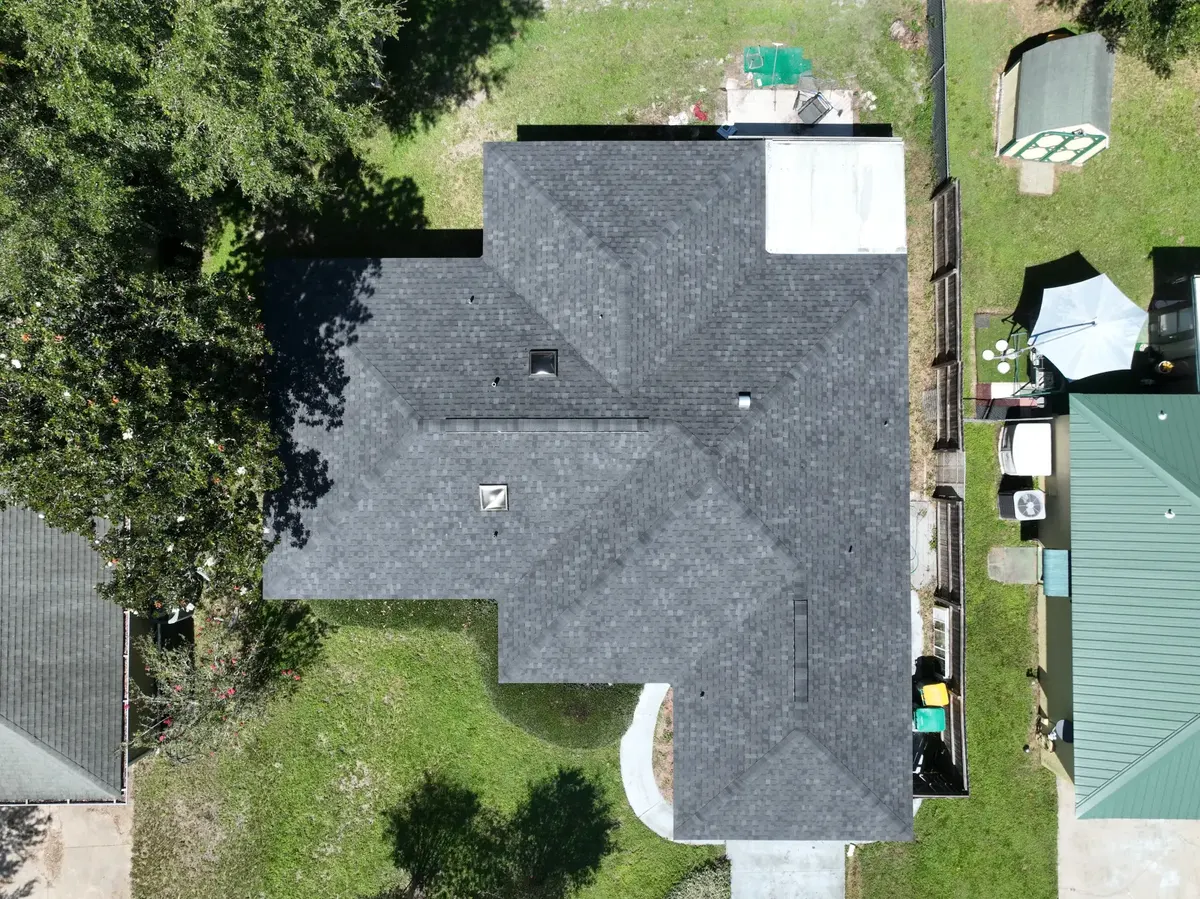
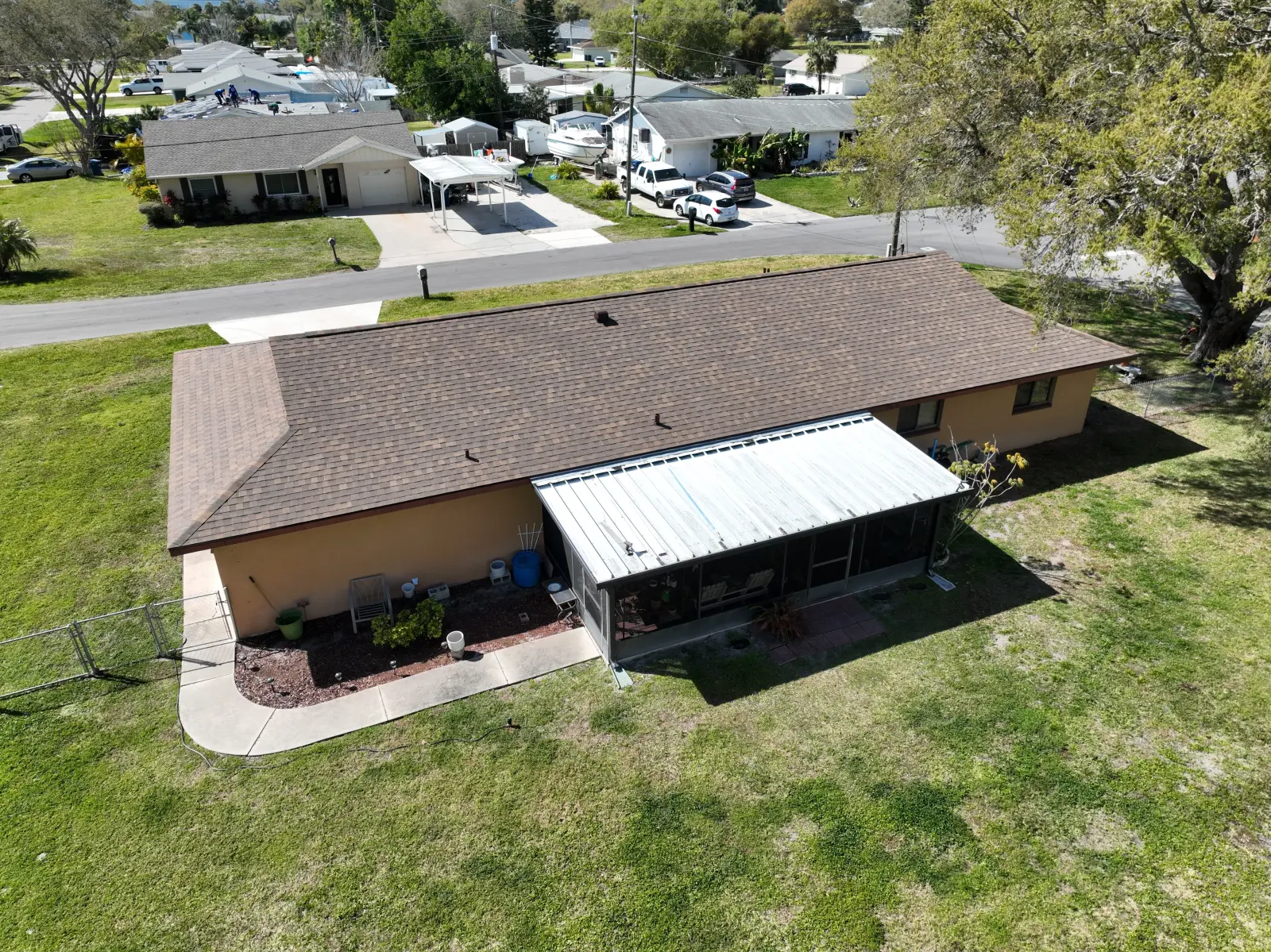
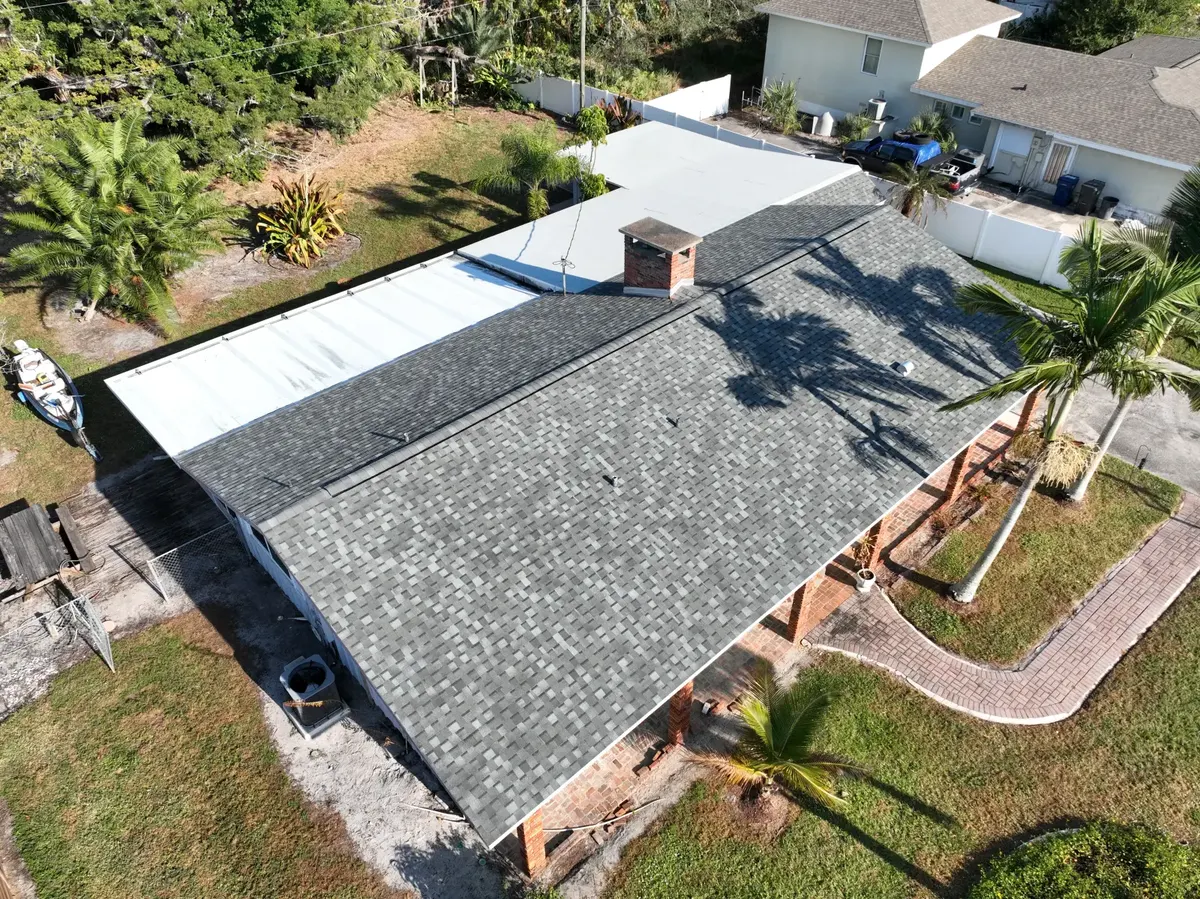
A drone flyover, hand-checked seal tabs, and a written photo report tied to the storm date, all free. We tell you whether it is cosmetic, a broken seal, or a saturated deck, and we document it for your claim before the one-year window closes. No trip fee, no diagnostic fee, no pressure.
Schedule your free inspection"Coastline replaced all the roof shingles and the flat roof. They did a great job at the best pricing."Oren S.Shingle and flat roof, Florida Gulf Coast
"High quality work and fast turnaround. They were flexible to my schedule and my unique requests."Troy P.Roof work, Florida Gulf Coast
"Professional service. They put my new roof on right on time. Thanks Coastline Roofing."Amilcar A.Roof installation, Florida Gulf Coast
No, but you cannot assume it is harmless either. Small scattered blisters on the shingle surface are usually cosmetic asphalt blistering that has been there for years and the storm just made you notice. The dangerous version is rippled, wavy, or raised rows of shingles, which signals the wind broke the adhesive seal. Bubbling that comes from a saturated deck or a flat-roof membrane is a real failure. The only reliable way to tell them apart is a roofer lifting test tabs and checking the deck, which is what a free inspection covers.
Yes, and this is the most common hidden storm damage we find. When wind lifts a shingle enough to break the seal strip underneath, the shingle settles back down looking almost normal but is no longer bonded. It has lost its wind rating, so a shingle that was rated for 130 mph is now a loose flap that will blow off in the next storm. The rippled or wavy look across rows is exactly the clue. It needs a hands-on seal check to confirm.
A membrane blister is a soft raised bubble where air or water got trapped under the roof surface, often after a storm drove water in, and it is a real failure that can spread. Ponding is standing water sitting on top of the membrane that has not drained, usually because of a low spot or a clogged drain. They look different up close: a blister is raised and soft when pressed, ponding is a puddle. Both are worth a roofer's eyes, but they are not the same problem.
Under Florida Statute 627.70132, you have one year from the date of loss to file a new or reopened windstorm or hurricane claim, and 18 months for a supplemental claim. That is why documenting bubbling and broken seals right after the storm matters even if nothing is leaking yet. If you wait and the unsealed shingles blow off next season, you may be outside the window for the storm that actually caused the damage. Coastline documents the damage and works with your adjuster, but we are not a public adjuster.
We fly the roof with a drone for the close-up images, then a roofer gently lifts shingle tabs by hand in several spots across the slopes to feel whether the adhesive seal still holds. A sealed shingle resists and tears slightly when lifted, an unsealed one comes up freely. We photograph what we find and tie it to the storm date so the documentation supports your claim. Doing this from the ground or guessing from the driveway does not work, which is why the hands-on inspection is the answer.
Yes. The post-storm inspection, the drone flyover, the seal-tab check, and the written photo report are all free, with no trip fee and no diagnostic fee. You get the photos and an honest read on whether the bubbling is cosmetic, a broken seal, or a saturated deck. If your roof is fine, we will tell you that plainly. Call (941) 896-7793 or text (941) 345-0072 to schedule.
Free drone inspection, hand-checked seal tabs, and a written photo report tied to the storm date. Licensed CCC1331076.
Leave your name and number. We typically call back the same day during business hours. Consent to texts is not required.