Insurance Claim Help · Florida Gulf Coast

How Do I Document Roof Damage for an Insurance Claim?

A storm came through, you think the roof took a hit, and now you are staring at a claim form wondering what proof you actually need. Here is the honest truth: roof claims are won and lost on evidence. The homeowner who photographs everything early and keeps clean records gets paid. The one who waits, guesses, and cleans up first gets second-guessed. This page is the practical, do-this-now checklist, plus how a roofer's dated drone photo report adds professional weight to your file.

Licensed & InsuredFlorida CCC1331076
4.7 stars57 Google reviews
10 yearsFlorida-licensed
2,000+Roofs completed
Why documentation decides the claim

An adjuster pays for what you can prove, not what you can describe.

When you file a roof claim, an insurance adjuster reviews the loss and decides what the policy covers. That adjuster was not on your roof during the storm. They were not standing in your hallway when the ceiling started dripping. All they have is your file: the photos, the dates, the records, the estimate. If your file is thin, the adjuster fills the gaps with assumptions, and insurer assumptions almost never run in your favor. A common one is to chalk damage up to age or normal wear instead of the storm, which can shrink or deny a payout. Strong, dated documentation takes that guesswork off the table.

The homeowners who get fully paid are not luckier. They were faster and more thorough. They noted the exact day the storm hit, walked the property the same week, and photographed every angle while the damage was fresh and obviously tied to the event. They kept the receipt for the tarp they bought. They did not throw away the broken shingles or do a permanent fix before anyone documented the loss. When the adjuster showed up, the story was already told in pictures and paperwork, and there was very little left to argue about.

The homeowners who get short-changed usually made one of two honest mistakes. Either they waited weeks or months, by which point a follow-up rainstorm or the Florida sun had muddied the picture and made the loss look like slow aging, or they cleaned up and repaired before documenting, erasing the very evidence the claim depended on. You can avoid both. Below is exactly what to capture and how to keep it, step by step.

The step-by-step

Document it like this, in this order

You do not need special gear. A phone camera, a notepad, and a folder are enough to build a file that holds up. Work through these in order, and stay off the roof itself: photograph from the ground, the windows, and inside.

The four pillars of a strong file

What your documentation needs to cover

Photograph everything

Wide shots for context, close shots for proof. Exterior and interior, several angles each. More photos than you think you need, all dated. You can never have too many; you can absolutely have too few.

Record the date and storm

Pin the loss to a specific covered event on a specific day, and back it with weather records. The single most common reason a roof claim gets cut is failure to tie the damage to a dated event.

Keep mitigation receipts

Tarps, board-up, temporary patches, the hardware-store run. Reasonable steps to limit further damage are usually reimbursable, but only with proof of what you paid. Keep every receipt in one folder.

Get a roofer's photo report

Dated aerial and close-up photos of every slope, a written damage assessment, and a detailed repair estimate. A professional report gives the adjuster something concrete to work from and carries real weight.

Why timing matters

Florida law gives you a clock, so document and file promptly.

Florida tightened its claim deadlines in the 2022 insurance reform. Under Florida Statute 627.70132, you have ONE YEAR from the date of loss to file a new or reopened roof claim, and 18 MONTHS from the date of loss for a supplemental claim. That is far shorter than the two or three years many homeowners still assume, and the clock starts on the day the storm hit, not the day you noticed the damage. Waiting is the single most expensive mistake you can make.

There is a second reason to move fast that has nothing to do with the statute: evidence degrades. On the Gulf Coast, the next afternoon thunderstorm, a few weeks of relentless UV, and ordinary weathering all blur the line between fresh storm damage and slow aging. The longer you wait, the easier it is for an adjuster to argue your damage was there before the storm. Documenting the same week you can, while the loss is obviously tied to the event, protects both your deadline and your evidence.

One more thing worth being clear about: Coastline is NOT a public adjuster. Public adjusters are licensed professionals governed by Florida Statute 626.854 who negotiate claims on your behalf for a fee. We do not do that and do not charge for it. What we do is document the damage thoroughly, give you a written photo report and a repair estimate, and work alongside your adjuster so the facts of the roof are on the table. You file and manage the claim; we make sure the roof is well documented.

How a roofer's photo report helps

What Coastline's free drone report adds to your file

Your phone photos from the ground are essential. A professional roof report adds the parts you cannot safely or easily capture yourself, and it speaks the adjuster's language.

What to do about it

Start with a free inspection and a written photo report.

If a storm hit your home and you think the roof took damage, do not wait and do not climb up there. Take your ground-level and interior photos today, then book a free Coastline inspection. We send a crew, fly the roof with a drone, and put together a written photo report and a repair estimate, all at no cost. You walk away with dated, professional documentation in hand, whether you end up filing a claim or not.

That report does double duty. It strengthens the file you hand your insurance adjuster, and it tells you honestly whether you even have a claim worth filing. If the damage is real and storm-related, you will have the evidence ready while your one-year window is wide open. If you want the bigger picture on how Florida roof claims work end to end, read our guide on Florida roof insurance claims, and if you are worried the insurer will blame age, see how adjusters use the wear-and-tear argument.

When you do file, knowing what helps and what hurts matters. Our blog post on what not to say to a roof insurance adjuster covers the wording mistakes that cost homeowners money, and if your claim has already been denied, read this on fighting back after a denial. Through all of it, remember the rule that wins claims: document early, document thoroughly, keep everything.

Recent storm and claim work

Roofs Coastline documented and restored on the Gulf Coast

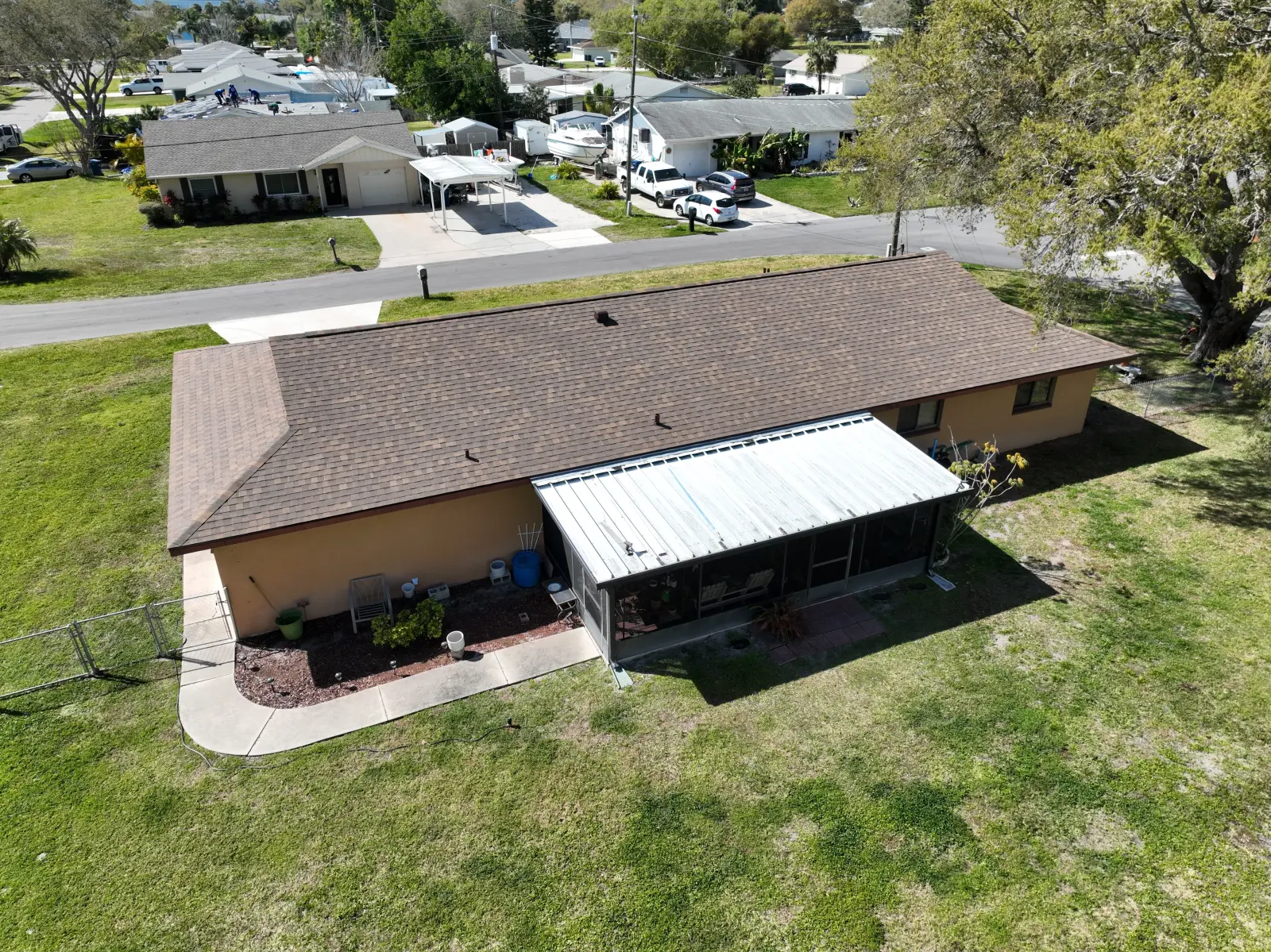
Aerial drone view of a Gulf Coast roof captured for a damage assessment
Drone aerial captured for a written photo report, November 2025. Florida Gulf Coast.
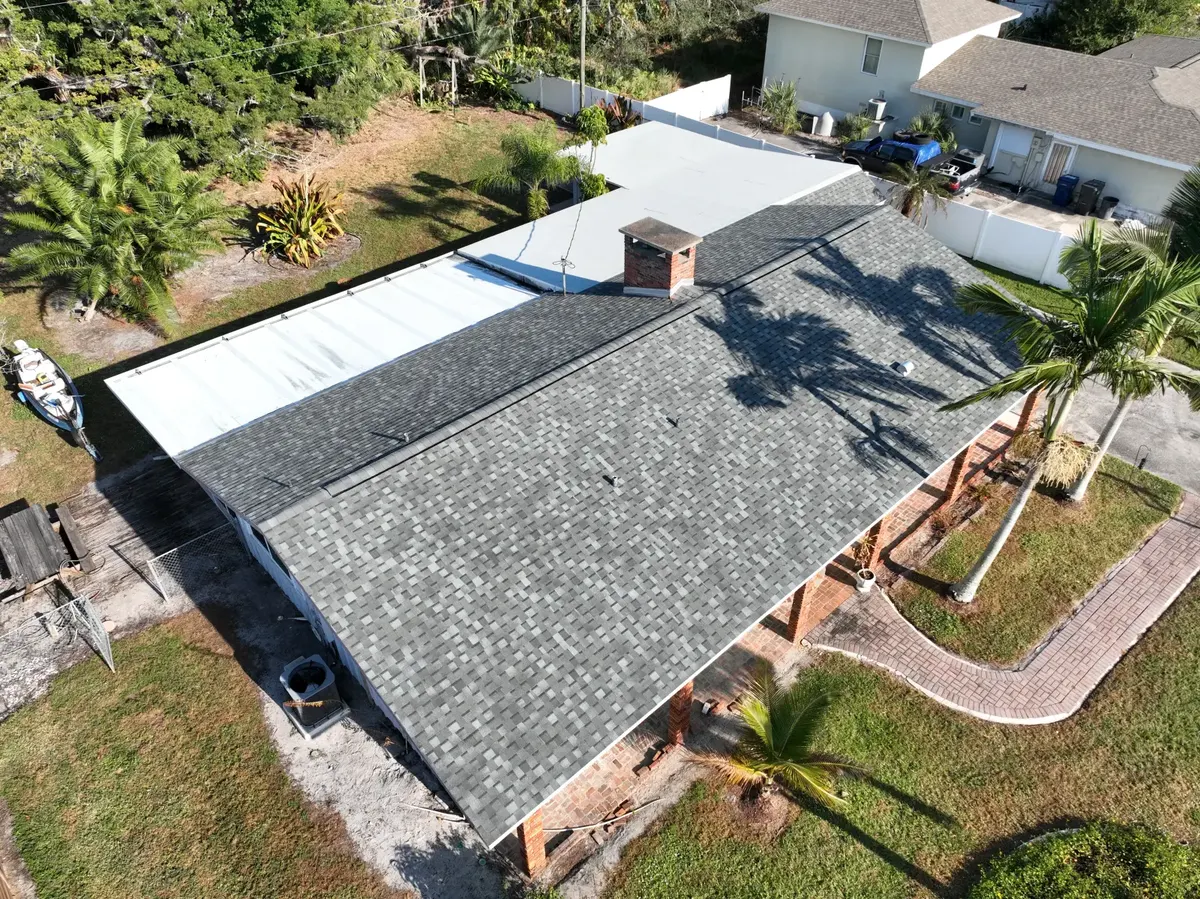
Completed shingle roof replacement after a documented storm claim
Completed shingle roof after a documented storm claim, February 2024. Florida Gulf Coast.
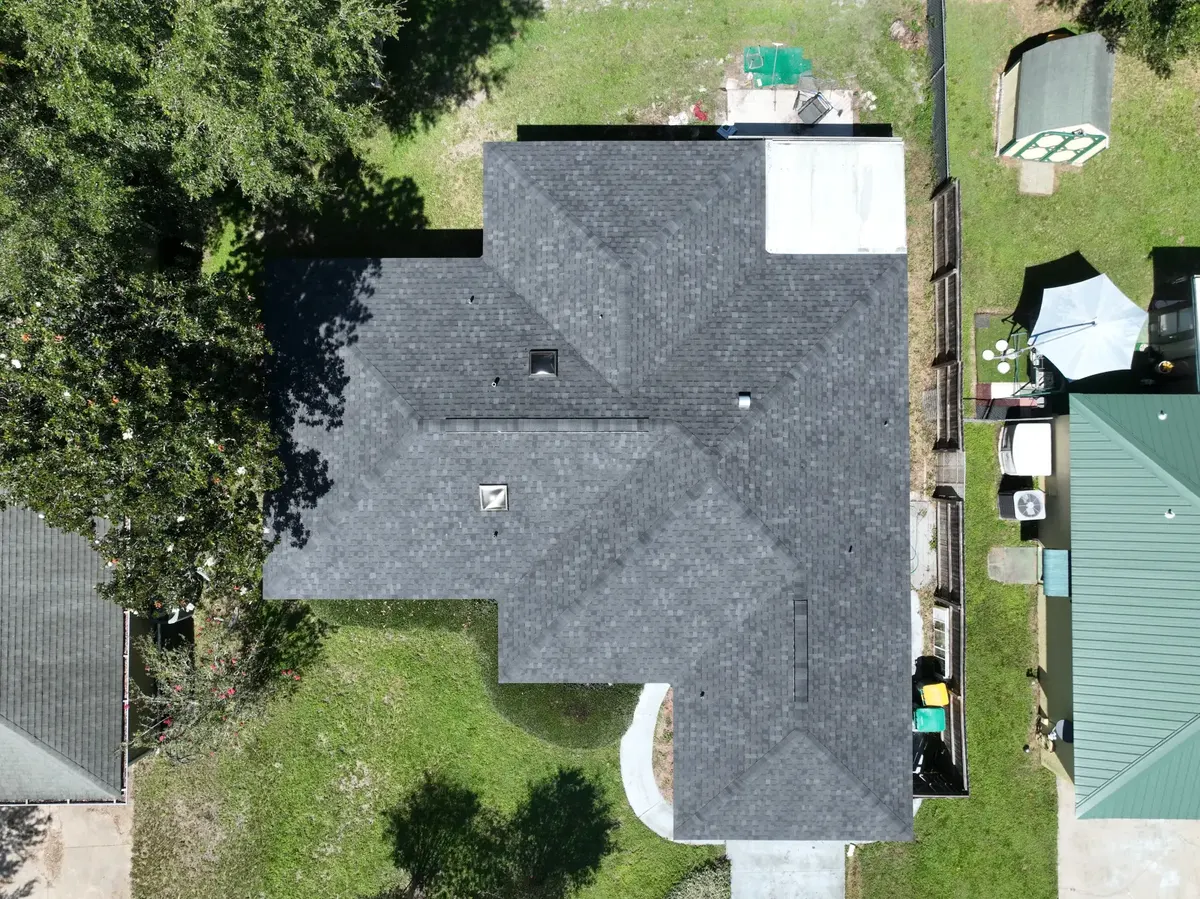
Aerial drone view of a charcoal shingle roof slope and ridge
Drone view of every slope on a Manatee County roof, August 2024. Manatee County, FL.
Free inspection & photo report

Get your roof professionally documented, free.

A drone flyover of every slope, dated close-up photos, a written damage assessment, and a detailed repair estimate the adjuster can work from. No trip fee, no diagnostic fee, no pressure. We are not a public adjuster; we document the roof so your claim stands on facts.

Schedule your free inspection
Reviews

What Florida homeowners say about Coastline storm and claim work

★★★★★
Milton tore off a few shingles. We called, sent pictures, and had to leave town. Coastline came out, took care of it, used the same type shingle, and I came back to it finished without having to pester them.
Andy J.Hurricane Milton repair, documented by photos, Florida Gulf Coast
★★★★★
Above and beyond. They documented everything and brought the best quality of work for a fiercely competitive price. Over 30 sheets of plywood replaced, knocked out in 3 days.
Dylan K.Storm damage roof replacement, Florida Gulf Coast
★★★★★
Josh and his crews are top notch, on time and professional. Thank you Coastline for the great work. -Parrish Fire Department
Kyle M.Commercial roof, Parrish Fire Department, Florida Gulf Coast
FAQ

Common questions about documenting roof damage

What exactly should I photograph after a storm?

Start wide, then go close. Wide shots of the whole house and roof give context, then zoom in on every specific problem: lifted or missing shingles, dents, displaced tiles, debris, and damaged flashing. Do not stop at the exterior. Photograph interior damage too, ceiling stains, water spots, bubbling paint, soaked insulation, with the date on every shot. Take more photos than you think you need from several angles. You can never have too many.

Should I repair the roof before the adjuster sees it?

Do not make permanent repairs before the damage is documented, because that erases your evidence. You should, however, do temporary mitigation right away: tarp the open area, board up, and move valuables out from under any leak. Most policies actually require you to take reasonable steps to prevent further damage. So document first, mitigate immediately, and save the permanent repair until after the inspection. Keep receipts for every mitigation step.

How long do I have to file a roof claim in Florida?

Under Florida Statute 627.70132, you have one year from the date of loss to file a new or reopened claim, and 18 months from the date of loss for a supplemental claim. The clock starts the day the storm hit, not the day you noticed the damage. That is shorter than many homeowners assume, so document and file promptly rather than waiting.

Is Coastline a public adjuster who will handle my claim?

No. Public adjusters are licensed professionals governed by Florida Statute 626.854 who negotiate claims on your behalf for a fee. Coastline does not do that. What we do is document the damage with a written photo report and a repair estimate, and work alongside your adjuster so the facts of the roof are clear. You file and manage the claim; we make sure the roof is thoroughly documented.

Why does a roofer's photo report help my claim?

An adjuster pays for what can be proven, and a professional report gives them concrete, dated evidence in the format they expect. Coastline's free report includes drone aerial photos of every slope, close-ups of the actual damage, a written damage assessment, and a detailed repair estimate. It captures the areas you cannot safely see from the ground and gives you a baseline to compare against the insurer's offer.

Is the inspection and photo report really free?

Yes. The inspection, the drone flyover, the dated photos, the written assessment, and the repair estimate are all free, with no trip fee and no diagnostic fee. You get professional documentation whether you file a claim or not. Call (941) 896-7793 or text (941) 345-0072 to schedule.

Storm hit your roof? Get it documented before the evidence fades.

Free drone inspection, dated photos of every slope, a written damage assessment, and a repair estimate your adjuster can work from.

Call Text