
★★★★★
"High quality work and fast turn around times. Was flexible to my schedule and my unique requests."Troy P.Roof work, Florida Gulf Coast
Updated October 2026
A brown or yellow ring has appeared on your ceiling, or a faint stain you noticed last month is now visibly bigger. Either way, water has reached the drywall, and your first question is the right one: is it the roof, the plumbing, or the AC? Those three have very different fixes, and chasing the wrong one wastes money. This page walks you through the clues that point at each so you can narrow it down before you call anyone.
That brown or yellow ring is not the water itself. It is the residue water leaves behind. As moisture moves through drywall and the paper facing on the back of it, it carries dissolved tannins, dust, and minerals to the surface, and when it dries it leaves a tea-colored mark with a darker edge. The darker the ring and the more defined the edge, the more cycles of wetting and drying that spot has been through. A stain that is spreading week to week is not old history. Water is still getting in, and the drywall is taking on more of it each time.
So the stain itself does not tell you the source. What tells you the source is the pattern: when the stain appears or grows, where in the house it sits, and what is directly above it in the attic. Get those three things straight and you can usually point at one of three culprits before anyone climbs a ladder. The three are a roof leak, a plumbing leak, and, in Florida especially, an air conditioning condensate leak. They behave differently, and once you know how, the stain starts to tell its own story.
Here is why getting it right matters. A roofer cannot fix a plumbing leak, a plumber cannot fix your roof, and patching the wrong thing means the stain comes right back. Worse, every week the moisture keeps coming, the wet drywall and the framing above it get a little closer to growing mold, which in Florida humidity does not take long. The goal of this page is to help you aim correctly the first time so the actual leak gets stopped, not just the stain painted over.
The tell is rain. A roof stain shows up or grows after a storm and stays quiet during dry spells. It is almost always on the top floor or a single-story ceiling with attic above it, and it often gets worse after wind-driven rain that pushes water sideways under shingles or flashing. If the stain tracks the forecast, think roof first.
A plumbing leak does not care about the weather. The stain is present and grows regardless of whether it has rained, and it sits near or directly below a bathroom, a kitchen, a laundry, or a water heater on the floor above. A supply line drips constantly. A drain line stains only when that fixture runs, so the stain may wax and wane with showers and laundry, not storms.
This one fools a lot of homeowners. If the stain is under or near the attic air handler, shows up in the cooling months, and has nothing to do with rain, the most likely culprit is a clogged AC condensate line or an overflowing drain pan. Your air conditioner pulls gallons of moisture out of humid Florida air every day, and that water has to drain. When the line clogs, it backs up and overflows onto the ceiling below.
Water does not fall straight down. After it gets through the roof, it travels along rafters, decking, and the top of the ceiling drywall before it finds a low spot to drip through. The entry point on the roof is often feet away from the stain below it, uphill and to the side. This is exactly why a stain that lines up perfectly under a roof vent or valley still needs a real inspection: the visible mark rarely marks the spot.
The Florida climate changes the odds. Here is what to weigh before you decide the roof is to blame.
The most common mistake is reaching for a can of stain-blocking primer. Paint hides the mark for a few weeks, but the water is still coming, the drywall keeps soaking, and the stain bleeds back through, often bigger. Painting over an active leak does nothing but buy mold more time. First you stop the water, then you fix the ceiling. In that order, every time.
Start with the cheap checks you can do yourself. Note whether the stain reacts to rain or ignores it. Look at what is on the floor above and what sits in the attic over that spot. If it is summer, the stain is near the air handler, and rain is not a factor, have your AC company check the condensate line first, because that is a quick, inexpensive fix and you can rule the roof out entirely. If the stain tracks the weather, it is time to confirm the roof. Our guide on what to do when your roof is leaking covers the immediate steps, and how to find where a roof is leaking explains why the entry point is rarely above the drip.
When the clues point at the roof, Coastline confirms it for free. We go into the attic and trace the water trail back uphill to the real entry, fly a drone over the roof to read the shingles, flashing, and vent boots from above, and where it helps we run a controlled hose test, wetting one area at a time until the leak shows itself inside. You get a written photo report showing exactly where the water is getting in. The trail may lead to failed flashing around a chimney, vent, or wall. Our page on flashing failure explains how that happens. If it turns out the roof is dry and the source is plumbing or AC, we tell you that plainly so you can call the right trade and stop spending on the wrong one.
A fresh spot is often still damp and darker than an old ring. If it is soft, sagging or dripping, keep everyone out from under it and follow what to do until the roofer arrives.
Trace the outline lightly with a pencil and write the date next to it. If the stain spreads past the line after the next rain, the leak is still active.
Did it show up after a downpour, after a windy storm, or after every rain? A stain that only appears after the heaviest storms points to a short list of causes. Read why a roof leaks only in heavy rain.
Under a bathroom or kitchen, a plumbing vent pipe on the roof is a likely source; see how to spot a vent pipe leak. Near the attic air handler, have the AC drain line checked too, because Florida's rainy months are also the months the AC works hardest.
Then text a photo of the stain to (941) 345-0072 or call (941) 896-7793, and we will help you figure out what you are looking at.
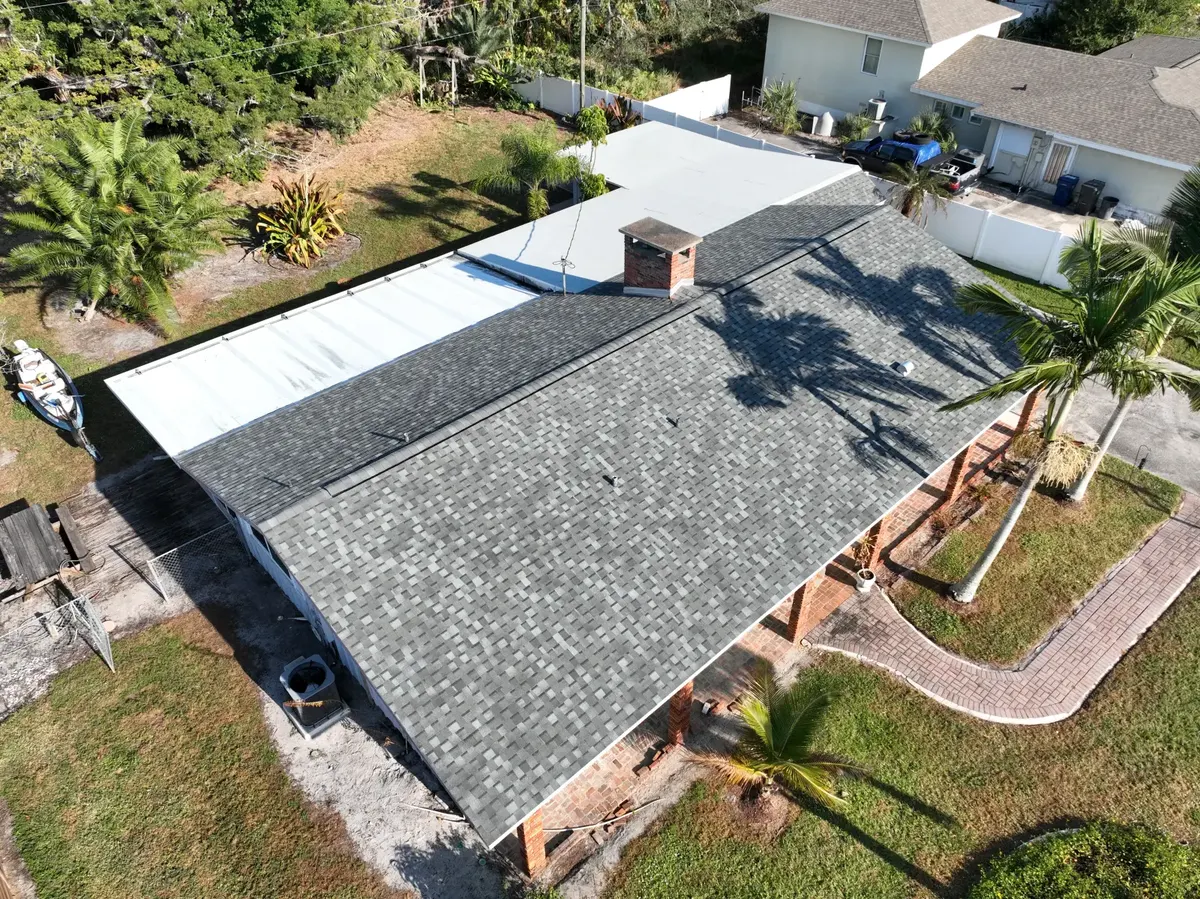
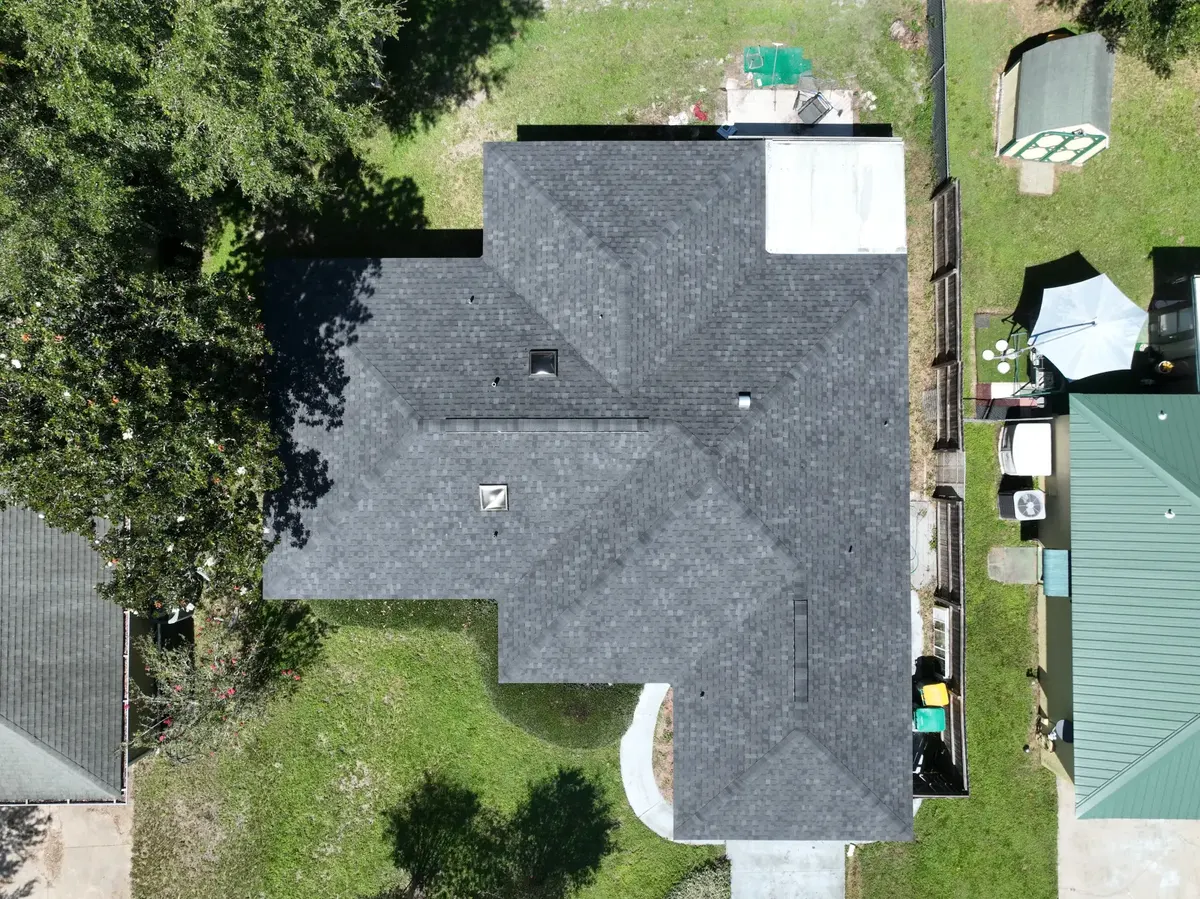
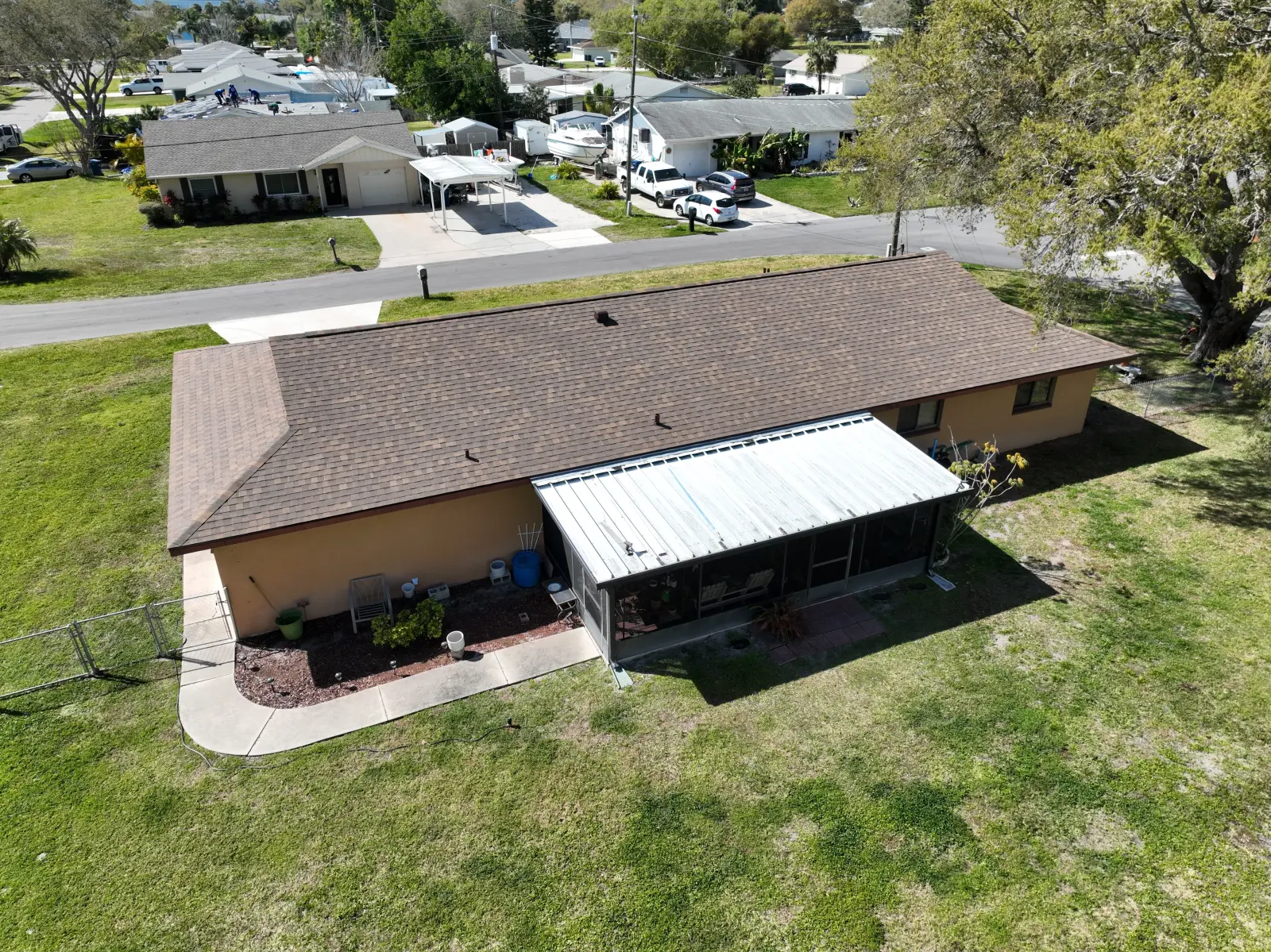
An attic trace, a drone flyover, a controlled hose test where it helps, and a written photo report. We confirm the roof is the source or rule it out so you can call the right trade. No trip fee, no diagnostic fee, no pressure.
Schedule your free inspection"High quality work and fast turn around times. Was flexible to my schedule and my unique requests."Troy P.Roof work, Florida Gulf Coast
"Knowledgeable firm with quality material options. The installation team was quick and precise. Best of all their price was great. I highly recommend."Jeff K.Roof installation, Florida Gulf Coast
"Coastline did a great job. Very prompt and professional."Philip J.Roof work, Florida Gulf Coast
Watch the timing and the location. A roof stain appears or grows after rain, sits on a top-floor or attic-side ceiling, and is often worse after wind-driven storms. A plumbing stain is there rain or shine and sits near or below a bathroom, kitchen, or laundry. An AC stain shows up in the cooling months near the attic air handler, with no rain involved. If it tracks the weather, the roof is the prime suspect.
Your air conditioner pulls a lot of moisture out of humid Florida air, and that water drains out through a condensate line. In many Gulf Coast homes the air handler sits in the attic, so when that line clogs, the water backs up, overflows the drain pan, and drips onto the ceiling below. It looks exactly like a roof leak but happens in summer with no rain. If your stain fits that pattern, have the condensate line checked before you blame the roof.
Probably not. Water that gets through a roof travels along the rafters and the top of the ceiling before it finds a low spot to drip through, so the entry point is usually uphill and to the side of the stain, sometimes several feet away. A stain lining up under a vent or valley is a starting clue, not a confirmed location. Tracing the actual entry takes an attic look and often a controlled hose test.
Not until the water is stopped. If the leak is still active, stain-blocking primer hides the mark for a few weeks and then it bleeds right back, usually larger, because the drywall keeps soaking. Worse, painting over an active leak lets moisture keep feeding mold in the framing above. Find and fix the source first, let the area dry out, then repair and repaint.
Three ways, usually combined. We go into the attic and follow the water trail back uphill to the real entry point. We fly a drone over the roof to read the shingles, flashing, and vent boots from above. And where it helps, we run a controlled hose test, wetting one section at a time until the leak shows itself inside. You get a written photo report showing exactly where water is getting in, or confirmation that the roof is dry and the source is elsewhere.
Rain is the strongest clue that the roof is involved. If the spot appears or grows after storms and stays the same on dry days, think roof first. If it only shows up after the heaviest or windiest storms, the cause is usually something that copes with a light rain but not a downpour, like a gutter, a valley, flashing, a roof vent or a pipe boot. In summer, rule out the AC drain line too, since the rainy months are also when the AC works hardest.
It can be. A dry stain may be left from a leak that was already fixed, or from a leak that only opens up in heavy rain. Mark its edge with a pencil and date it. If it grows after the next storm, the leak is still active and the source needs to be found.
Yes. The attic trace, the drone flyover, the hose test where it applies, and the written photo report are all free, with no trip fee and no diagnostic fee. If the roof turns out to be dry and the source is plumbing or AC, we tell you plainly so you can call the right trade. Call (941) 896-7793 or text (941) 345-0072 to schedule.
Free attic trace, drone inspection, and a written photo report. We find the source or rule out the roof so you fix the right thing.
Leave your name and number. We typically call back the same day during business hours. Consent to texts is not required.