
★★★★★
"Josh and his crews are top notch, on time and professional. Thank you Coastline Roofing for the great work."Kyle M.Parrish Fire Department, Parrish, FL
Updated June 2026
Hurricane Milton came ashore near Siesta Key on October 9, 2024, and raked Manatee and Sarasota counties with destructive wind just days after Helene pushed water up our coast. Plenty of roofs took shingle loss, broken and slipped tile, and damage to the deck and underlayment that you cannot see from the ground. If your roof is still not right, your claim has stalled or come in low, or a leak just showed up that traces back to Milton, this page tells you what to do now. Coastline answers storm calls across the Gulf Coast.
Milton made landfall as a Category 3 near Siesta Key on the evening of October 9, 2024, then drove across Sarasota and Manatee counties with sustained hurricane-force wind and a swarm of tornadoes that touched down ahead of the eye. It hit a coast that was already wet and weakened from Helene's surge less than two weeks earlier. For most homeowners here the headline was wind: gusts that lifted and stripped shingles, cracked and slid tile, peeled ridge caps, and bent or tore flashing at the valleys and chimneys. A lot of that damage looked minor from the driveway, and on a roof that still kept the rain out for a while, it was easy to set aside and move on.
That is the trap. Wind damage to a roof is rarely finished when the storm leaves. A shingle that got lifted but did not fly off has a broken seal, so the next ordinary sea breeze keeps working that open edge until the shingle is gone for good. A tile that slipped or cracked lets water past to the underlayment, and that felt was never meant to be the waterproof layer for months on end. Where Milton's wind drove rain sideways under the roof surface, the deck soaked, and saturated plywood in Florida humidity does not dry out, it stays damp, swells, and starts to rot. Many of the leaks homeowners are finding in 2025 and into 2026 are not new problems. They are Milton damage that finally worked its way through to the ceiling.
So if you are looking at a roof that "mostly held up," a repair that was never quite finished, or a claim that got closed before the real scope was known, you are not imagining it and you are not too late to act. The damage Milton started has had months to spread, which is exactly why it is worth getting eyes on the roof now rather than waiting for the stain to grow.
Milton's wind tore shingles off in patches and broke the adhesive seal on many more that stayed in place. A lifted shingle keeps letting the wind under its edge, so the bare area grows over the following months. Bare felt or a brighter strip of underlayment on the slope is the tell.
Tile roofs took cracked, chipped, and slid tiles, plus broken ridge and hip pieces. A single cracked or out-of-place tile lets water reach the underlayment below, and from the ground a slipped tile can look like nothing at all. See our guide on wind-lifted tiles.
Where wind-driven rain got under the surface, the plywood deck and the underlayment soaked. In Florida humidity that wood stays wet, swells, and begins to rot, weakening the roof even where the shingles or tile above still look fine. You will not see this from the ground.
Ridge and flashing damage and a compromised seal can stay dry through a few light rains, then let go during a heavy summer storm. A ceiling stain or a soft spot that appeared in 2025 or 2026 frequently traces straight back to Milton, not to a brand-new problem.
Here is the straight version, no spin. Under Florida Statute 627.70132, you have one year from the date of loss to file a new or reopened hurricane or windstorm claim, and 18 months from the date of loss to file a supplemental claim. Milton's date of loss for most of our area is October 9, 2024. That means the one-year window for a brand-new or reopened Milton claim closed in October 2025, and the 18-month supplemental window closed in spring 2026. We are not going to tell you a window is open when it is not. If you still have an open or supplemental claim moving, keep documenting it, but the deadlines to start a new Milton claim have passed.
If you already have an open or supplemental claim and you think the scope or the payout missed real damage, the same urgency applies. Supplemental claims still have a hard deadline, and the longer you wait the harder it is to tie what the adjuster missed back to Milton specifically rather than to ordinary age. Get the roof documented now so the file reflects what is actually up there.
And here is the part that matters even if every claim window has passed for you: latent Milton damage left unrepaired does not hold still. In Florida heat and humidity a wet deck keeps rotting, a broken seal keeps peeling, and a slipped tile keeps letting water in. The repair only gets larger and more expensive the longer it waits, claim or no claim. To be clear about our role, Coastline documents your damage with a written photo report and works alongside your adjuster, but we are not a public adjuster and we do not negotiate your claim for a fee. Public adjusters are licensed separately under Florida Statute 626.854. What we do is put accurate, dated evidence in front of the people deciding your claim.
You do not have to guess whether the storm left something behind. Coastline does a free roof inspection with a drone flyover and a written photo report. We look at every slope for lifted, missing, or unsealed shingles, check tile for cracks and slips, read the ridge and flashing, and look for the soft spots and staining that point to a wet deck underneath. You get the photos and an honest assessment: the roof is sound, it needs a targeted repair, or Milton hit it harder than the first look suggested and it is time to plan a fuller fix. No trip fee, no diagnostic fee, no pressure to do work the roof does not need.
If you are mid-claim, that same photo report becomes evidence. We document the damage in the format adjusters expect and dated to the loss, then work alongside your adjuster so the file reflects what is actually on your roof. If a leak has already shown up inside, our guide on missing shingles after a storm and our Florida roof insurance claims guide walk through the next steps, and emergency tarping can stop the next rain while everything else gets sorted.
When the damage is real, we repair the section or handle a full replacement, whichever your roof actually calls for, with hurricane-rated fastening and a 5-year workmanship warranty. Our default shingle is the Atlas Pinnacle Pristine architectural shingle, rated to 130 mph wind with Class 3 impact resistance, which is the kind of roof you want before the next Gulf storm. We are not a certified Atlas installer, and we will never push a replacement on a roof that has good life left. Full storm details live on our storm damage repair and insurance claim help pages.
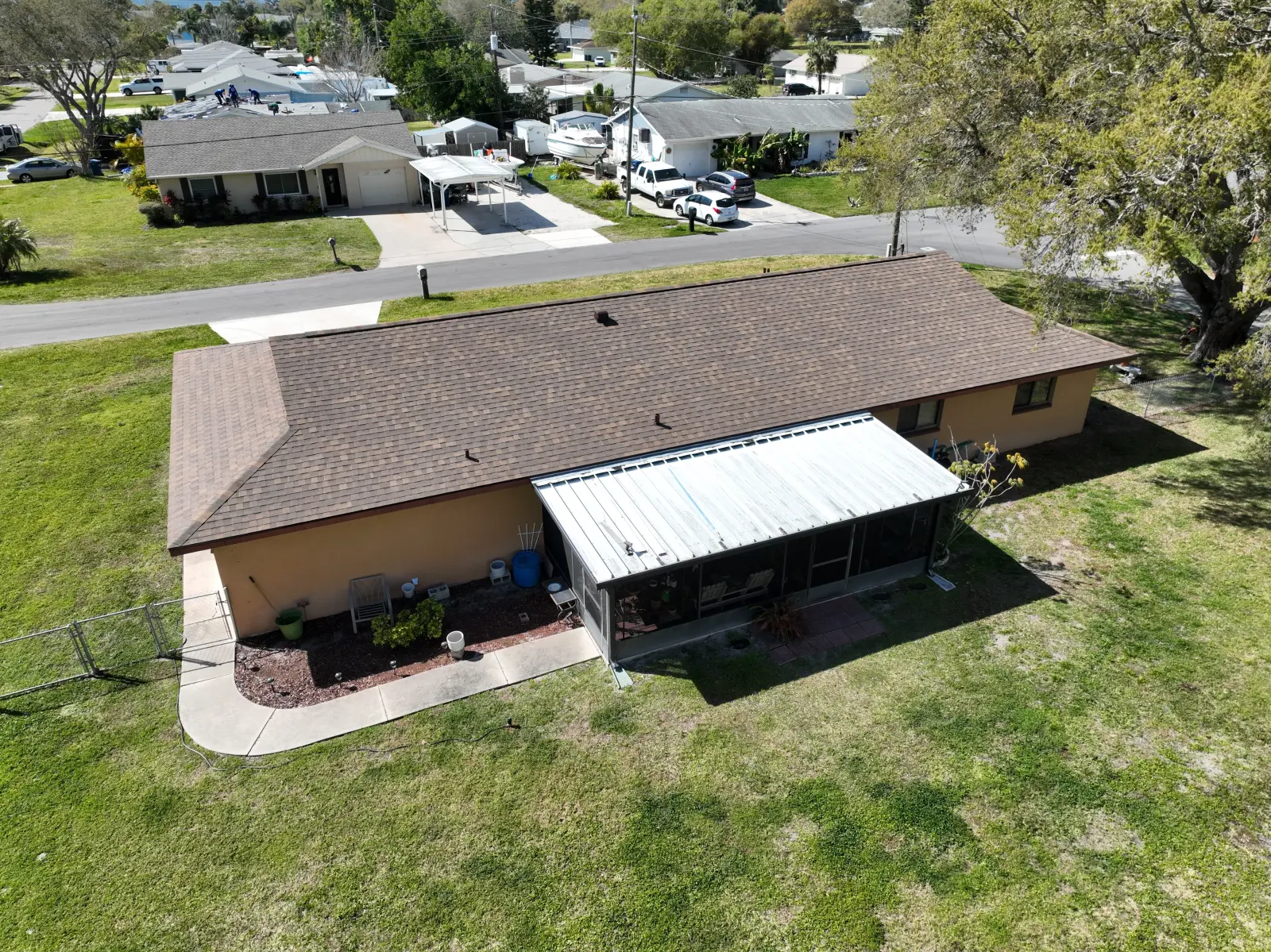
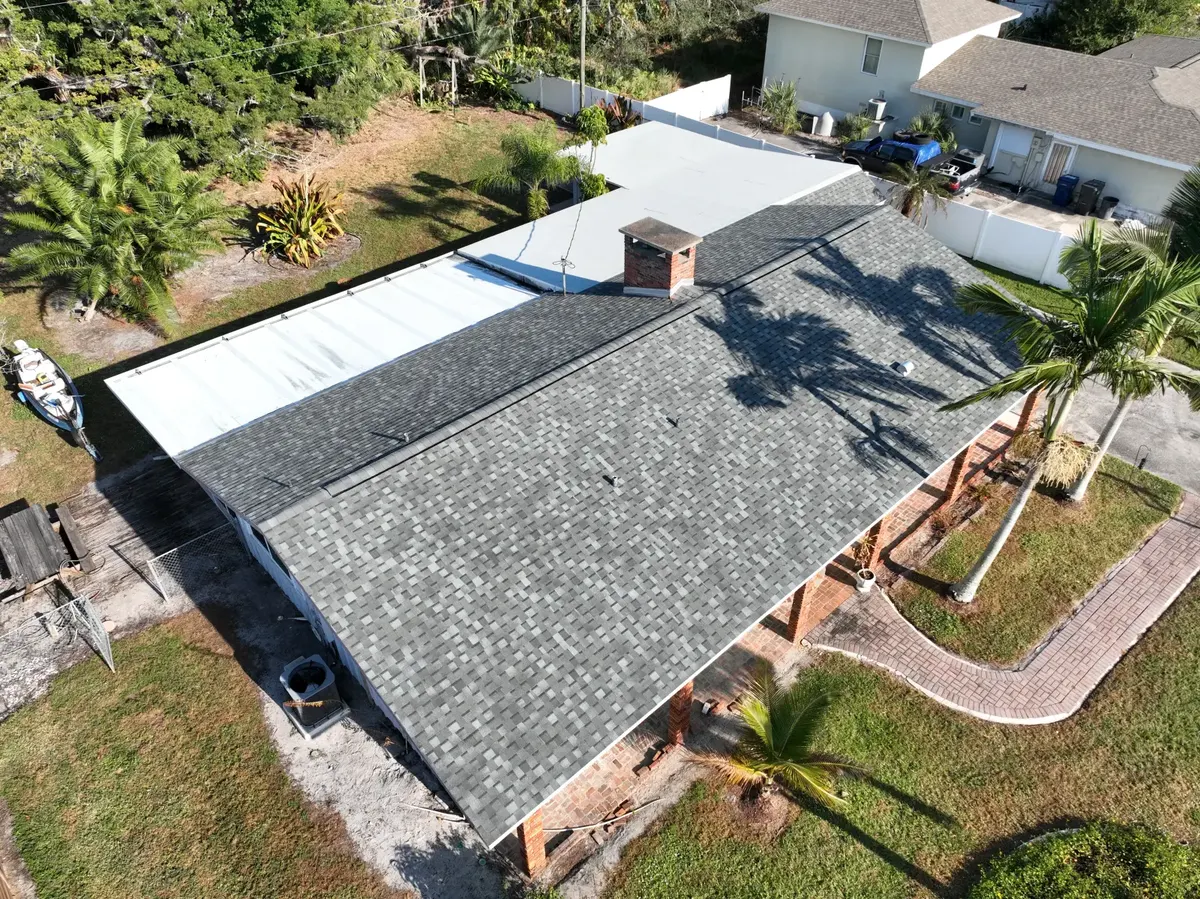
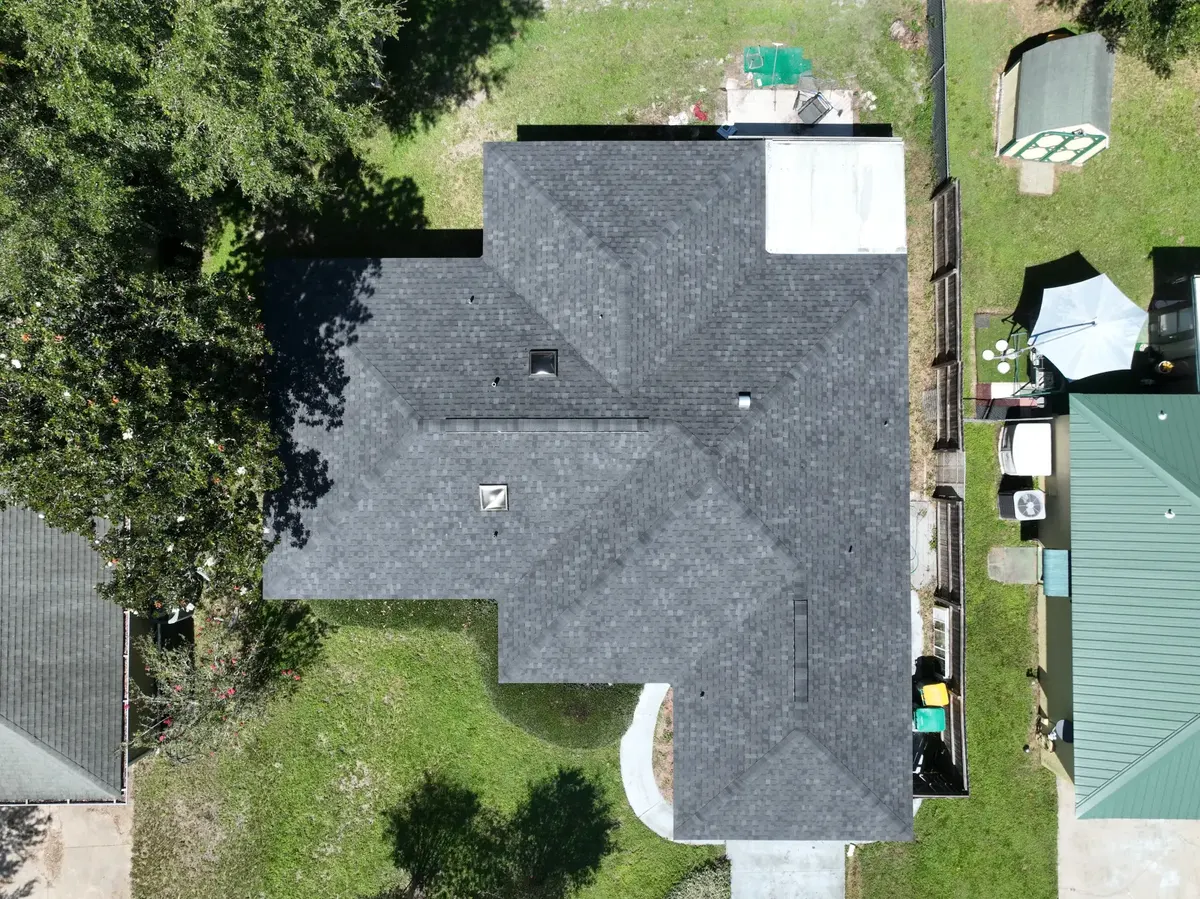
A drone flyover, a written photo report dated to the loss, and an honest read on whether your roof is sound, needs a repair, or has hidden damage from the storm, all free. We document it in the format adjusters expect and work alongside yours. No trip fee, no diagnostic fee, no pressure.
Schedule your free inspection"Josh and his crews are top notch, on time and professional. Thank you Coastline Roofing for the great work."Kyle M.Parrish Fire Department, Parrish, FL
"Had another company put on a new roof and after inspection several issues were obvious. Coastline had a crew come make the needed repairs within a week. Would use them again."Dan H.Repair after a bad install, Florida Gulf Coast
"Great company. Quick response and excellent customer service. My roof is beautiful. I would recommend them to anyone needing a new roof or repairs."Marilyn O.Roof replacement, Florida Gulf Coast
It is now too late to file a brand-new Milton claim, since Florida Statute 627.70132 gives one year from the date of loss for a new or reopened hurricane claim and Milton's date of loss for our area is October 9, 2024, so that window closed in October 2025. The 18-month supplemental window closed in spring 2026. But the repair itself is never too late and only gets more urgent. Latent Milton damage keeps rotting the deck and peeling shingles regardless of any claim, so getting it inspected and fixed protects the house even if the insurance window has closed.
Possibly, within the deadlines. A reopened claim follows the one-year window and a supplemental claim follows the 18-month window under Florida Statute 627.70132, both measured from the date of loss. If you believe the original scope missed real Milton damage, the move is to get the roof documented now with a dated photo report so there is accurate evidence on file, then act quickly. We can document it, but we are not a public adjuster and do not negotiate the claim for a fee.
The pattern usually gives it away. A broken seal, a slipped tile, or damaged flashing from Milton can stay dry through light rain and then let go in a heavy summer storm months later, so a 2025 or 2026 leak frequently traces straight back to the 2024 storm. A drone inspection reads the wear and damage pattern on the roof and pairs it with the interior staining, which is how we tell Milton damage apart from ordinary age. We put that read in writing.
No. We are a licensed roofing contractor, CCC1331076, not a public adjuster. Public adjusters are licensed separately under Florida Statute 626.854 and negotiate claims for a fee. What we do is document your roof damage with a written photo report in the format adjusters expect, and work alongside your adjuster so the file reflects what is actually up there. We never charge a fee tied to your claim.
Yes, especially if it has not been looked at since. A lot of Milton damage, broken seals, a soaked deck, slipped tile, hairline flashing damage, does not show from the ground and does not leak right away. By the time a stain appears inside, water has often been sitting in the deck and insulation for a while. A free drone inspection catches the hidden damage before it becomes an interior repair, and there is no cost or obligation to look.
Yes. The roof inspection, the drone flyover, and the written photo report are free, with no trip fee and no diagnostic fee. You get the photos and an honest read on whether Milton left damage behind. If the roof is sound, we will tell you that plainly. Call (941) 896-7793 or text (941) 345-0072 to schedule.
Free drone inspection, a written photo report dated to the loss, and an honest answer on what the storm left behind. Licensed CCC1331076.
Leave your name and number. We typically call back the same day during business hours. Consent to texts is not required.