
★★★★★
"Great company. Quick response and excellent customer service. My roof is beautiful. ... I would recommend you to anyone needing a new roof or roof repairs."Marilyn O.Roof replacement, Florida Gulf Coast
Updated June 2026
You looked up at the roof and the shingles are not lying flat anymore. Edges are lifting, some tabs are turning up at the corners, others look like the center is rising or the bottom is clawing down. On a Florida roof, this is one of the clearest age-and-heat warnings a shingle gives you. It almost always means the asphalt has dried out and the shingle has lost its flexibility. This page explains the three patterns, what each one is telling you, and how much life is realistically left.
An asphalt shingle is supposed to sit dead flat against the roof, glued down at the bottom by a strip of sealant and pressed tight against the courses above and below. That flatness is what lets it shed water and what keeps wind from getting a grip. When a shingle starts to curl, cup, or claw, it has lost the flexibility that kept it flat. The asphalt inside has dried out, hardened, and started to shrink and warp. This is not a single bad shingle having a bad day. It is the material telling you it is aging out, and on a Florida roof it tends to happen years ahead of the lifespan printed on the wrapper.
Here is the chain of events. Asphalt stays flexible because it holds volatile oils. The sun's ultraviolet light and relentless heat slowly cook those oils out. As the asphalt dries, it loses its give, and the layers of the shingle stop expanding and contracting at the same rate. The mat wants to move one way, the asphalt and granules another, and the shingle deforms. Add a roof deck or attic that is too humid underneath, and the bottom of the shingle takes on moisture while the top bakes, which warps it even harder. The result is one of three visible patterns, and the pattern tells a roofer a lot about what is happening and how far gone the roof is.
Why does this matter beyond looks? A curled or cupped shingle no longer lies flat, so its edges stand up off the roof. That raised edge is exactly what storm-season wind catches and peels. It is also a path for wind-driven rain to blow up and under the shingle, where it reaches the underlayment and the deck. A roof full of curled shingles is a roof that is both close to the end of its service life and unusually vulnerable in the next big blow. That is the agitation that should move you from watching to acting: the curl is not just cosmetic, it is a uplift and leak risk on a roof that is already old.
The edges and corners of the shingle lift up and away from the roof while the middle stays put. Curling is the classic sign of an old, dried-out shingle. The asphalt has lost its oils and shrunk, so the edges pull up. Widespread curling almost always means age and heat, and that the roof is in its final stretch.
The center of the shingle rises while the edges stay down, leaving a concave dish shape. Cupping usually points to a moisture and ventilation imbalance in the attic combined with age. Heat and humidity trapped under the deck warp the shingle from below. When you see cupping, the attic ventilation almost always needs a look too.
The bottom edge of the tab presses down and the middle bows up, so the shingle looks like it is gripping the roof with claws. Clawing is a close cousin of curling and comes from the same cause: a brittle, shrinking shingle that has aged out. It is another clear age-and-heat signal that the roof is near the end.
Poor attic ventilation cooks shingles from below. Trapped heat raises the temperature of the deck and the underside of the shingle, accelerating every one of these patterns. Fixing airflow, often with a solar attic fan, will not un-curl a shingle, but it slows the damage on the rest of the roof and protects your next one.
Curling and cupping show up earlier on the Gulf Coast than almost anywhere else in the country, and the reasons all come back to heat, sun, and what is happening in your attic.
Not all curling is equal, and the right move depends on how widespread it is. Scattered curling on a roof that is otherwise sound can sometimes be monitored, especially if it is confined to a single slope that takes the worst of the afternoon sun. But widespread curling, cupping, or clawing across a roof that is 12 to 18 years old or older means the end is near, and patching individual shingles becomes throwing money at a roof that is going to need replacing soon anyway. The difference between those two situations is not something to guess at from the driveway.
Coastline does a free shingle roof inspection with a drone flyover and a written photo report. We read the pattern across every slope, separate true age-and-heat curling from a localized problem, check whether your attic ventilation is feeding the cupping, and pull your roof's age into the picture. You get the photos and an honest call: monitor it, repair a section, address ventilation with a solar attic fan to protect the rest, or start planning a replacement. No trip fee, no diagnostic fee, no pressure to replace a roof that still has good life left. If you want a sense of the timeline first, our guide on how to tell if your roof has two or three years left is a useful read, and so is what granules in the gutters mean, since granule loss and curling often show up together.
When a replacement is the right answer, our default shingle is the Atlas Pinnacle Pristine architectural shingle. It carries a 130 mph wind rating and a Class 3 impact rating, and its Scotchgard protection uses copper-infused granules to resist the dark algae streaking that plagues Gulf Coast roofs. We are not a certified Atlas installer, and we will never tell you to replace a roof that has years left in it. The full breakdown of shingle options lives on our shingle roofing page, and the replacement process is covered on the roof replacement page.
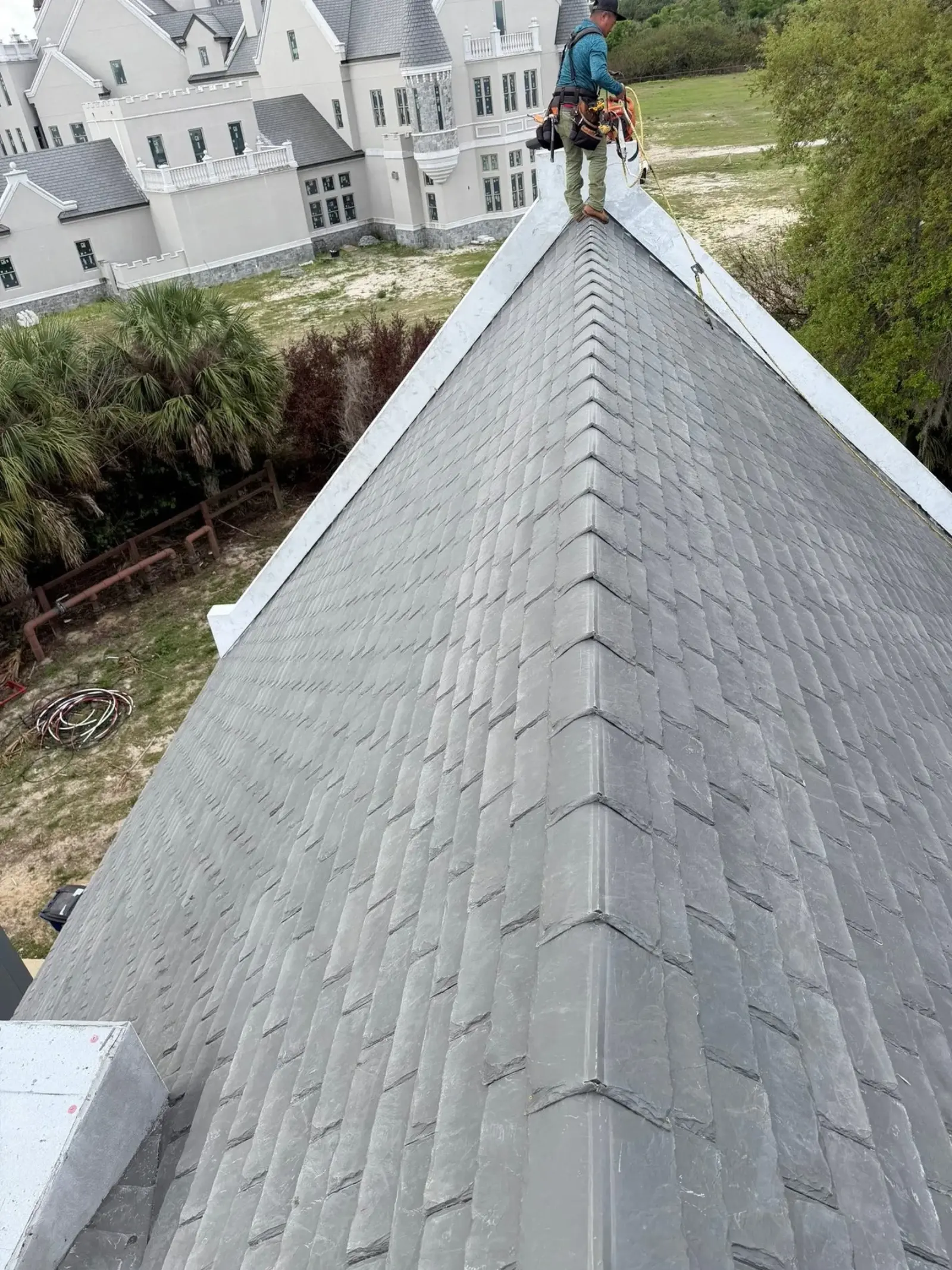
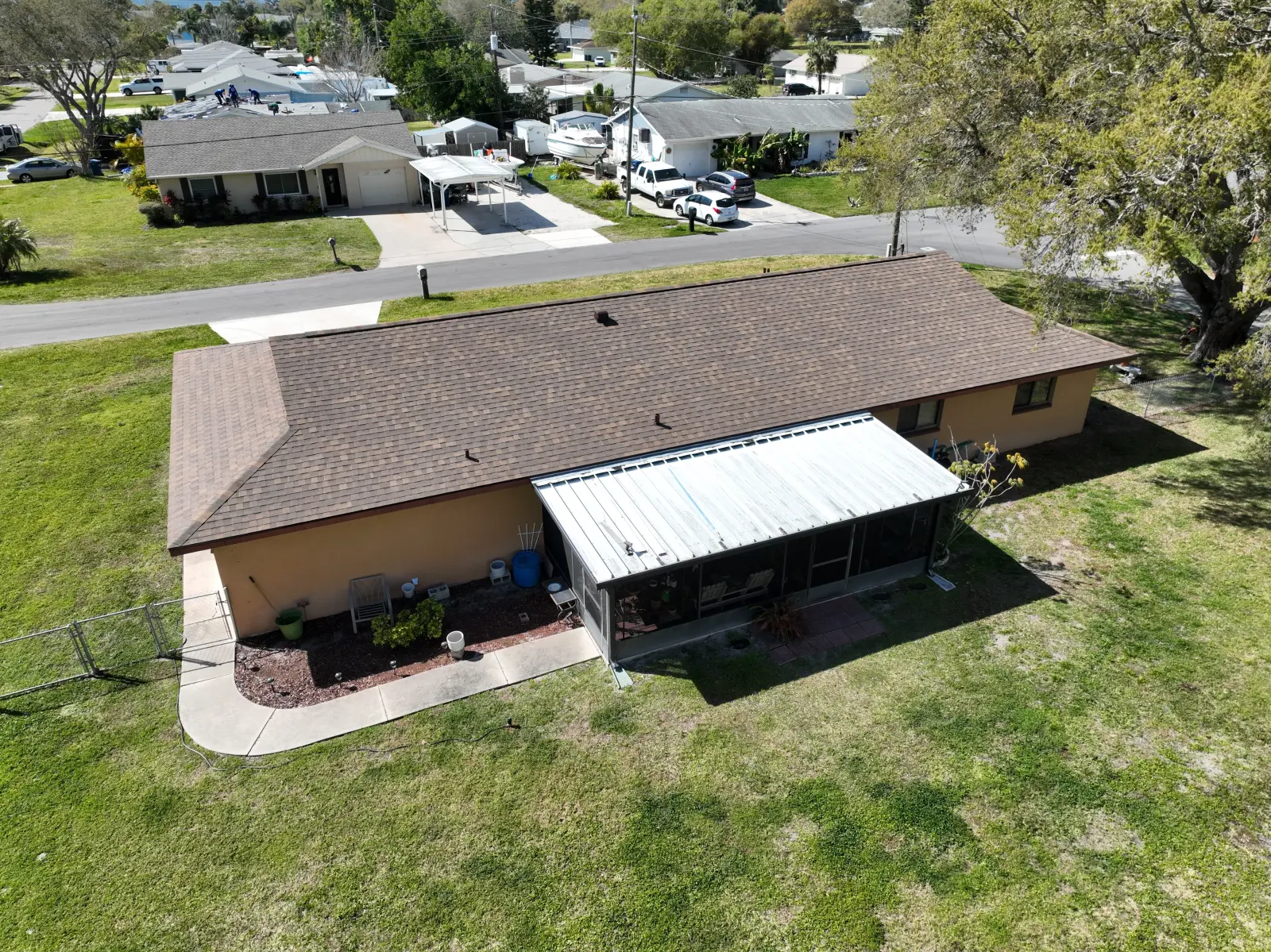
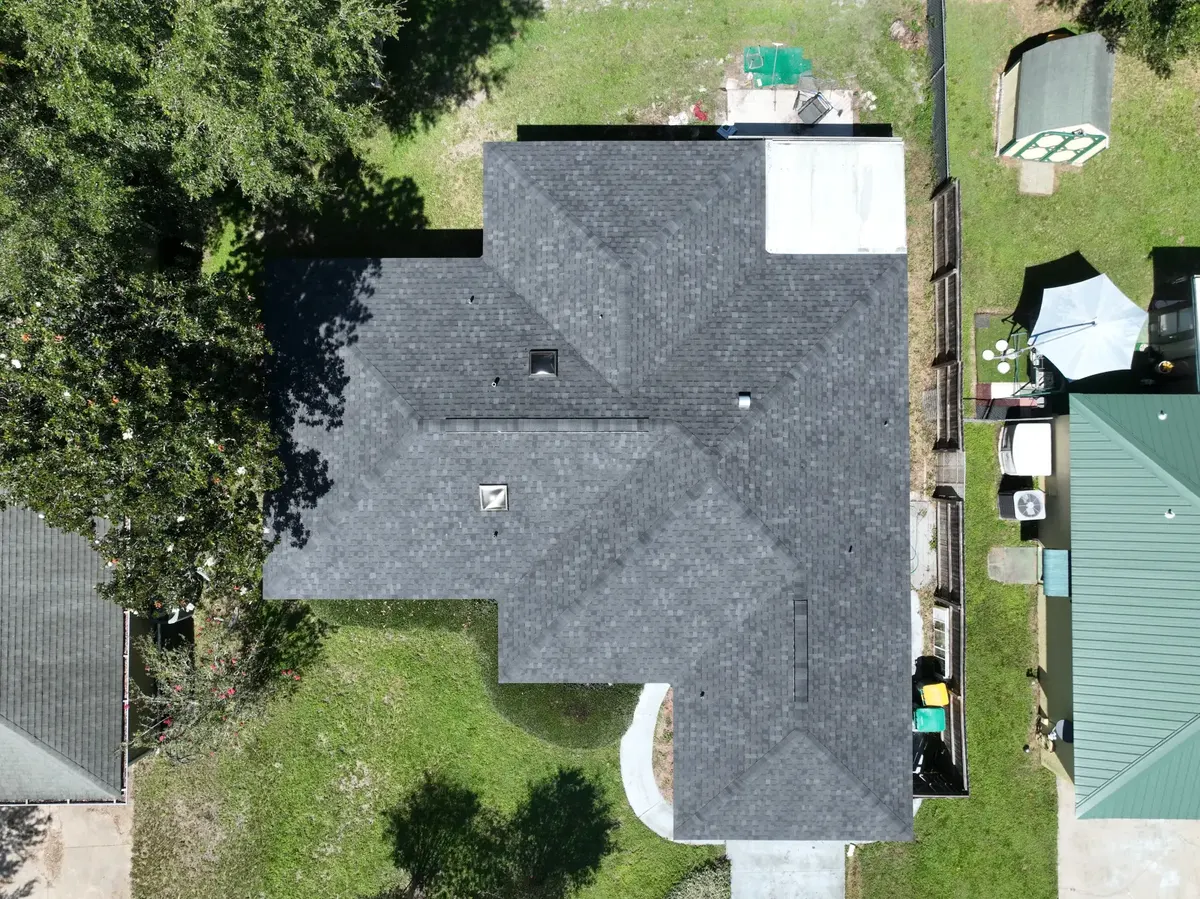
A drone flyover, a written photo report, and an honest read on your curling and cupping, all free. We tell you whether scattered curling can be watched, whether ventilation needs attention, or whether the roof is near the end. No trip fee, no diagnostic fee, no pressure.
Schedule your free inspection"Great company. Quick response and excellent customer service. My roof is beautiful. ... I would recommend you to anyone needing a new roof or roof repairs."Marilyn O.Roof replacement, Florida Gulf Coast
"They came out and repaired the leaky patio roof that another company installed. ... The roofer said it was poor installation of the patio roof by the Aluminum company and showed me pictures. There were at least 2 inch gaps. The roofers fixed the problem."Anne P.Patio roof leak repair, Florida Gulf Coast
"Very quick and professional. We only had one problem which was my grandma’s roof and they also check the ceiling for any leaks. Thank you Coastline."Christian P.Roof repair, Florida Gulf Coast
Curling is when the edges and corners of the shingle lift up while the center stays down. Cupping is the opposite shape, where the center rises into a dish while the edges stay put. Curling and the related clawing pattern usually mean age and heat have dried the asphalt out. Cupping more often points to a moisture and ventilation imbalance in the attic combined with age. A close look at the pattern across the whole roof tells a roofer which forces are at work.
No. Once a shingle has dried out and warped, it cannot be returned to flat, and trying to glue it down rarely holds. If the curling is scattered and confined to a few worn shingles, a targeted repair to replace those shingles can buy time. If it is widespread on an older roof, replacing individual shingles is throwing good money after bad, and a full replacement is the smarter call. A free inspection tells you which situation you are in.
Yes. A flat shingle gives wind nothing to grab. A curled shingle has raised edges that act like little sails, and that is exactly where storm wind starts to peel the roof. Curling also opens a path for wind-driven rain to blow up and under the shingle. On a Florida roof heading into storm season, widespread curling is a real vulnerability, not just a cosmetic issue, which is why it is worth getting documented before the next system.
It plays a major role, especially with cupping. A poorly vented attic traps heat and moisture against the underside of the roof deck, which bakes and warps the shingle from below at the same time the sun is drying it from above. Improving airflow, often with a solar attic fan, will not fix shingles that are already cupped, but it slows the damage on the rest of the roof and helps your next roof last longer. We check ventilation as part of every inspection.
Less time than the brochure number, which is usually written for milder climates. An asphalt roof that might run 20 to 30 years up north commonly loses 5 to 10 of those years on the Gulf Coast because of the intense UV, heat, and humidity. Widespread curling, cupping, or clawing on a roof that is 12 to 18 years old or older is a normal sign that it is approaching the end here.
Yes. The shingle roof inspection, the drone flyover, and the written photo report are free, with no trip fee and no diagnostic fee. You get the photos and an honest read on your roof's remaining life. If it has good years left, we will tell you that plainly. Call (941) 896-7793 or text (941) 345-0072 to schedule.
Free drone inspection, written photo report, and a straight answer on how much roof you have left.
Leave your name and number. We typically call back the same day during business hours. Consent to texts is not required.