
★★★★★
"Coastline made the process so easy. They were on time and fast and exceeded my expectations."Dave C.Roof replacement, Florida Gulf Coast
Updated June 2026
Your roof is not leaking. Nothing is dripping into a bucket. But it is getting up there in years, you keep hearing about insurance companies dropping older roofs, and you have a nagging sense that the clock is running. You are right to ask now. The best time to replace a roof is before it fails, while you can still pick the material, line up financing, and protect your coverage. This page lays out the honest signs that a Florida roof is near the end, so you can plan it on your terms instead of after a leak or a failed inspection.
Most roofs do not announce the end politely. They give a few quiet signals for a year or two, then a storm rolls through and a worn-out roof becomes an emergency overnight. Now you are not planning a replacement, you are reacting to one. The leak is already in the attic, the drywall is staining, and you are calling around for whoever can get a tarp up before the next band of rain. You take the first crew with an opening instead of the right crew at the right price, and you take whatever color and material they happen to have, because there is water coming in and no time to think.
Replacing a roof on your own schedule is a completely different experience. You get to compare options, choose the shingle color that suits the house, and decide on the timing. You can line up financing and spread the cost instead of putting an emergency on a credit card. You avoid the tarp-and-scramble entirely, and you avoid the interior damage, the mold risk, and the ruined insulation that come with a roof that gave out before you acted. The roof costs roughly the same either way. What changes is whether you are in control of the decision or chasing it.
There is a second clock running too, and it has nothing to do with leaks. Florida insurance carriers have grown strict about roof age. Many are non-renewing or surcharging policies on roofs they consider too old, often somewhere in the 15 to 20 year range, even when the roof is not leaking and looks fine from the street. A proactive replacement is not just about keeping the rain out. It is about keeping your homeowners policy in force at a rate you can live with.
No single sign means your roof is finished. End of life shows up as a cluster, several of these appearing together across the roof rather than in one isolated spot. If you can check off three or four of these, your roof is likely in its final stretch, and it is worth getting a real remaining-life estimate before a storm makes the decision for you.
Widespread granule loss and bald spots. The colored mineral granules are your shingle's sunscreen. When you see large smooth, shiny patches of bare asphalt across multiple slopes, and heavy grit piling up in the gutters, the protective layer is gone and the asphalt underneath is breaking down fast. Our guide on granules in the gutters walks through when this is normal aging and when it is a warning.
Curling, cupping, and clawing across the slopes. Healthy shingles lie flat. As they age, the edges lift and curl up, or the centers cup and pull down. When you see this across whole sections instead of a stray shingle here and there, the field is worn out, not just damaged. Our breakdown of shingle cupping and curling explains what each shape is telling you.
Cracked and brittle shingles. Years of Florida UV and heat dry out the asphalt until shingles crack, split, and crumble at the edges when touched. Brittle shingles cannot seal against wind anymore, and they blow off in the next storm.
Daylight or a sag in the attic. Go into the attic on a sunny day with the lights off. Pinpoints of daylight through the roof deck, soft or spongy decking, a visible dip in the roofline, or damp insulation all mean trouble has already reached the structure. A sagging ridge is one of the clearest signs a roof needs to go.
Recurring leaks in more than one spot. One leak is a repair. Leaks popping up in several different places, or the same stain returning after a patch, mean the roof system is failing as a whole and patching is just buying weeks at a time.
Exposed or cracked pipe boots and worn flashing. The rubber boots around plumbing vents and the metal flashing at valleys and walls are the first parts to fail. Cracked, hardened boots and rusted or lifting flashing on an older roof are a sign the whole assembly has reached its age.
Moss and algae holding moisture. The dark streaks and green growth common on older Gulf Coast roofs trap moisture against the shingle surface. On a roof already near the end, that constant dampness speeds the breakdown along.
Pull the install date if you can. An asphalt shingle roof in Florida commonly gives 15 to 20 years, not the 25 to 30 on the box. If yours is past 15, the calendar alone is a reason to start planning, even before other signs show.
From the ground or a drone photo: bald shiny patches, widespread curling and cupping, cracked or missing shingles, and heavy granule grit in the gutters. Several of these together across slopes means the field is spent.
Daylight through the deck, a sag in the roofline, soft or spongy decking, damp insulation, or water stains on the underside of the sheathing. Anything in the attic means the problem has already reached the structure.
A non-renewal letter, a roof-age surcharge, or a carrier asking for a roof inspection before they renew. In Florida, the policy clock on an older roof often runs faster than the physical wear, and it forces the timeline.
A roof that might last decades elsewhere works on a shorter clock here, and Florida's insurance market has turned roof age into a deadline of its own. Both pressures push the smart replacement window earlier than the brochure ever suggested.
You do not have to guess, and you should not replace a roof that has good years left. The only way to know exactly where your roof stands is to get real eyes on every slope, not a guess from the driveway. Coastline does a free roof inspection with a drone flyover and a written photo report. We look at the granule coverage, the curling and cracking, the boots and flashing, and we read the wear pattern against your roof's age. Then we give you a straight number: a realistic estimate of how many years you have left, and which of three positions you are in.
Either you have plenty of life left and the smart move is to do nothing yet, or you are a year or two out and it is time to start planning and budgeting, or the roof is genuinely near the end and we lay out a replacement on your schedule. If insurance is the pressure point, we document the roof's condition and age clearly so you know exactly where you stand with your carrier. To be clear, we are a roofing contractor, not a public adjuster, and we do not negotiate your claim for a fee. We just give you the honest condition report and let you decide. Our free roof inspection page covers what the visit includes, and how long roofs last in Florida goes deeper on realistic lifespans.
When a replacement is the right call, our default shingle is the Atlas Pinnacle Pristine architectural shingle: a 130 mph wind rating, a Class 3 impact rating, and Scotchgard protection that uses copper-infused granules to resist the dark algae streaking that ages Gulf Coast roofs early. We are not a certified Atlas installer, and we will never push you to replace a roof that still has life in it. The full picture, including financing and the 5-year workmanship warranty, lives on our roof replacement page. If a carrier has already raised the roof-age question, our insurance claim help page and the guide on roofs that are too old for insurance are good next reads, along with the deeper look at Florida roof age and insurance requirements.
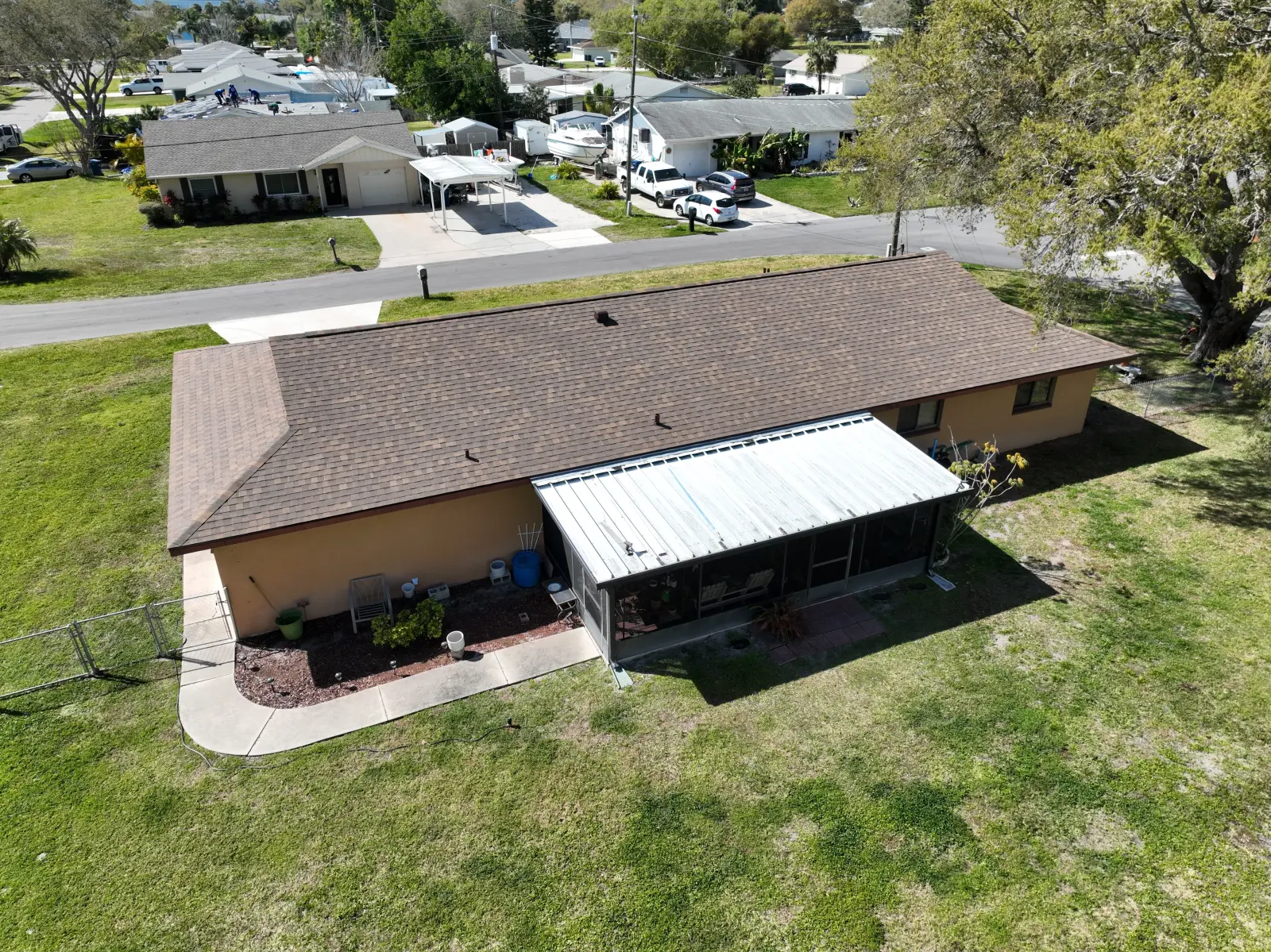
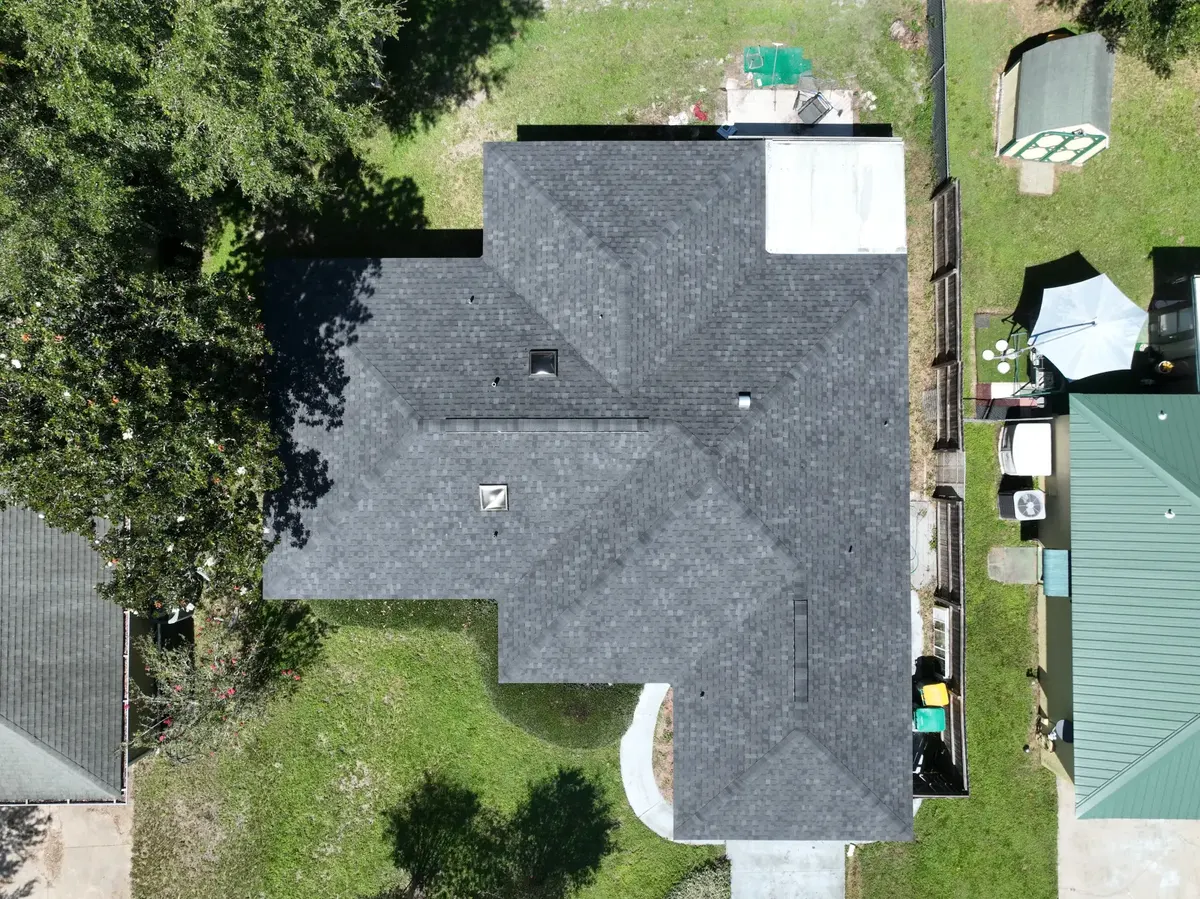
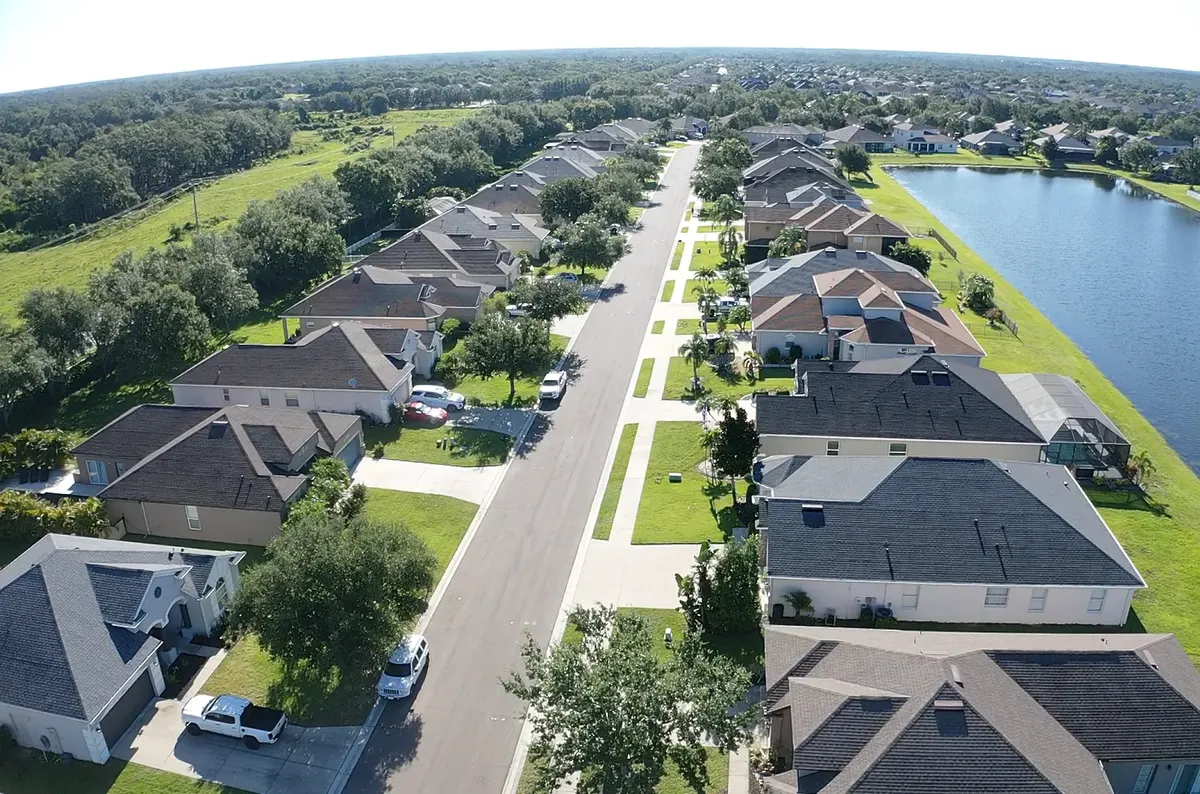
A drone flyover, a written photo report, and an honest remaining-life estimate, all free. We tell you whether you have years to spare, a year or two to plan, or it is time to replace, plus a clear read on where you stand with insurance. No trip fee, no diagnostic fee, no pressure to replace early.
Schedule your free inspection"Coastline made the process so easy. They were on time and fast and exceeded my expectations."Dave C.Roof replacement, Florida Gulf Coast
"Great customer service and quality of work. Josh and his crew helped us all the way through. Full replacement done in 2 days."Casey S.Full replacement, Florida Gulf Coast
"Josh and his professional crew did an excellent job replacing my roof."Bob A.Roof replacement, Florida Gulf Coast
Less than the 25 to 30 years on the package, which is written for milder climates. On the Gulf Coast, the combination of intense UV, heat, and storms commonly brings an asphalt shingle roof to the end at 15 to 20 years. If yours is past 15, it is worth a free inspection to get a real remaining-life estimate, even if nothing is obviously wrong yet.
Two reasons. First, a roof that fails on its own schedule almost always fails during a storm, which turns a planned project into an emergency with interior damage, a tarp, and rushed decisions. Second, Florida insurers are non-renewing and surcharging older roofs even when they do not leak. Replacing before either of those happens keeps you in control of the timing, the cost, and your coverage.
It happens often in Florida. Many carriers now decline to renew, or add a roof-age surcharge, on roofs they consider too old, frequently around the 15 to 20 year mark, regardless of whether the roof leaks. Some require a roof inspection before they will renew at all. A proactive replacement with modern hurricane fastening keeps you insurable and often earns a better rate. We document the roof's age and condition so you know exactly where you stand with your carrier.
End of life shows up as a cluster, not one symptom. Watch for widespread granule loss with shiny bald patches, curling and cupping across whole slopes, cracked and brittle shingles, daylight or a sag in the attic, leaks in more than one spot, and cracked pipe boots or worn flashing. Three or four of these together, especially on a roof past 15 years, usually means it is in its final stretch.
No. The free inspection gives you an honest read, and if your roof has good years left, we will tell you that plainly and tell you to keep your money. We would rather you call us in two years for a planned replacement than feel pushed into one you did not need. The whole point of getting ahead of it is so the decision stays yours.
Yes. The roof inspection, the drone flyover, and the written photo report are free, with no trip fee and no diagnostic fee. You get the photos, a remaining-life estimate, and a clear read on where you stand with insurance. Call (941) 896-7793 or text (941) 345-0072 to schedule.
Free drone inspection, written photo report, and an honest estimate of how many years your roof has left.
Leave your name and number. We typically call back the same day during business hours. Consent to texts is not required.