
★★★★★
"They did a good job on the repair, so I would definitely recommend them."Duke H.Roof repair, Florida Gulf Coast
Updated June 2026
Hurricane Ian came ashore in Southwest Florida on September 28, 2022, and raked the Manatee and Sarasota Gulf Coast on its way through. It is now 2026, and plenty of homeowners are still living with the fallout: a repair that was started and never finished, a tarp that quietly became part of the roof, a claim that stalled or got underpaid, or damage that only began leaking long after the storm. If that is you, you are not behind on something everyone else fixed. You are in good company, and you still have a path forward. Here is an honest look at where you stand and what to do next.
Ian was one of the most destructive hurricanes in Florida history, and it hit the Gulf Coast all at once. When a region loses tens of thousands of roofs in a single afternoon, the cleanup does not happen in an orderly line. Every reputable roofer was booked solid for months, materials were back-ordered, and adjusters were stretched across far more claims than they could handle. A lot of homeowners did the right thing, filed promptly and got in line, and still ended up waiting through the whole next year.
Into that gap rushed the storm chasers. Out-of-state crews flooded in, knocked on doors, collected deposits or signed Assignment of Benefits forms, threw a tarp on the roof, and in too many cases were never seen again. Some did partial work and walked. Some pulled a permit and never closed it. Others did the job so poorly that the "repair" is now its own problem. If your Ian project was started by a contractor who has since vanished or stopped answering the phone, you are far from alone, and that unfinished work is still your roof to deal with.
Not all storm damage announces itself. Ian lifted and creased shingles that did not blow off, loosened flashing, hairline-cracked tile, and worked fasteners loose without leaving an obvious hole. A roof like that can look fine from the street and shed water for a season or two, then start leaking once the next round of storms finishes what Ian started. By the time a brown stain shows up on a ceiling in 2024 or 2025, the underlying cause traces straight back to the 2022 storm, even though the symptom is brand new.
There is also the supplemental problem. Plenty of Ian claims were settled fast and cheap, before anyone got on the roof to see the full picture. Once a crew actually opens the roof up, they often find rotted decking, soaked insulation, or damage that the original scope never accounted for. The repair that was supposed to close the book on Ian turns out to be the moment you discover how much was missed the first time around.
A crew tore into the roof, did some of the work, and never came back. Maybe a permit is still open in your name. You need someone to assess what was actually done, what was left undone, and finish it correctly so the roof passes inspection and keeps water out.
You paid a deposit or signed something, a tarp went up, and the contractor disappeared. The tarp is now sun-rotted and leaking on its own. You want a licensed local company that will still be here next year to do the job right and stand behind it.
The roof looked fine for a while, then a stain appeared on the ceiling or you found a soft spot in the attic. Creased shingles and loosened flashing from Ian can take a couple of years to fail. The cause is old, the leak is new, and it needs to be found and fixed.
Your Ian claim was denied, underpaid, or settled before anyone saw the full damage. If the claim is already open or was previously paid, there may still be a path through a supplement or a dispute. We document the roof clearly so whatever conversation is left with your carrier has real evidence behind it.
We are going to be straight with you, because guessing here helps nobody. Under Florida Statute 627.70132, the deadline to file a new or reopened hurricane claim is one year from the date of loss, and the deadline for a supplemental claim is 18 months from the date of loss. Hurricane Ian's date of loss was late September 2022. That means those statutory windows for an Ian loss have generally closed. If your roof was damaged by Ian and you never filed anything, we are not going to tell you there is a fresh claim waiting, because in most cases there is not.
But a closed filing window is not the same as no options. If you already opened a claim for Ian, or the carrier already paid something on it, that existing claim is a different animal. Open and previously paid claims can sometimes still be supplemented when new damage is uncovered during repair, and disputes over an underpaid or wrongly denied claim follow their own timelines. The right move is to get a clear picture of your specific claim status before assuming it is dead. We are not lawyers and we are not a public adjuster, so for the legal side we will point you to the right people, but we can document the roof so any remaining conversation is grounded in evidence.
Here is the part that matters most, claim or no claim: an Ian roof that is still unrepaired or poorly repaired needs to be made sound regardless of insurance. Water does not care whether a deadline passed. A tarp does not last forever. Whatever the status of your paperwork, the roof itself still has to keep your house dry, and that is a problem we can fix today. For the bigger picture on Florida claims, see our Florida roof insurance claims guide and what to do when a claim is denied.
Before anything else, find out the real condition of the roof in 2026, not what it was in 2022. We do a drone survey and a written photo report at no charge, so you can see exactly what is sound, what was left unfinished, and what is failing now. That report is the foundation for every decision that follows. See our free roof inspection.
Dig out your Ian paperwork. Was a claim ever filed? Was it paid, denied, or still open? That single fact decides whether insurance is part of the conversation. If there is an open or previously paid claim and the repair turns up damage that was missed, a supplement may be possible. For the disputed-and-denied side, read how to fight back on a denial.
If a storm-chaser tarp has been baking on your roof for years, it is no longer protecting anything. We can get a proper emergency tarp on it to stop the bleeding while the full repair or replacement is planned. Read more on storm damage repair.
Whether the roof needs the unfinished work completed, a section repaired, or a full replacement, get it done by a Florida-licensed contractor who will be here for the warranty. Coastline is licensed CCC1331076, locally owned, and we back our work with a 5-year workmanship warranty. Compare paths on our roof replacement page.
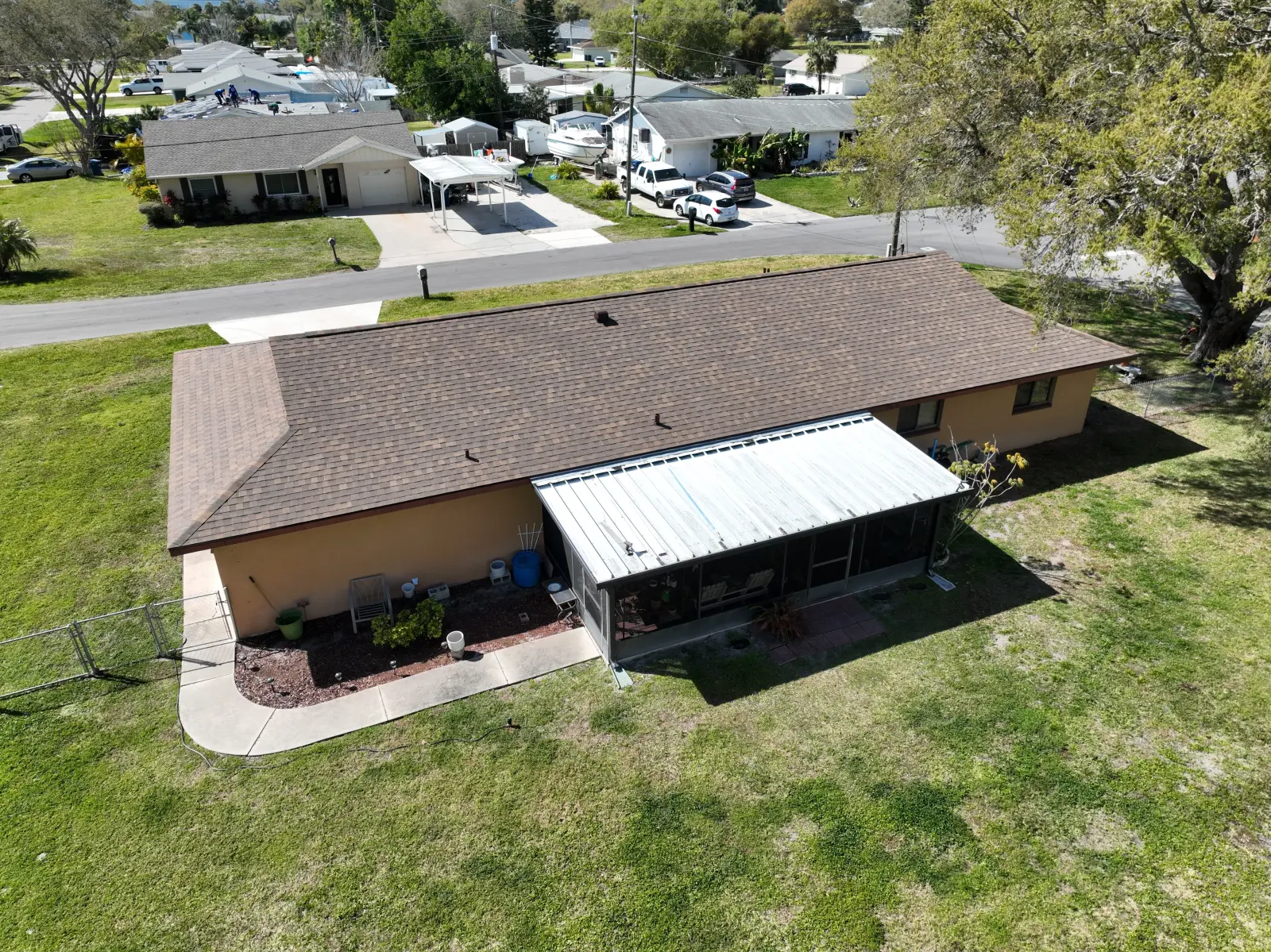
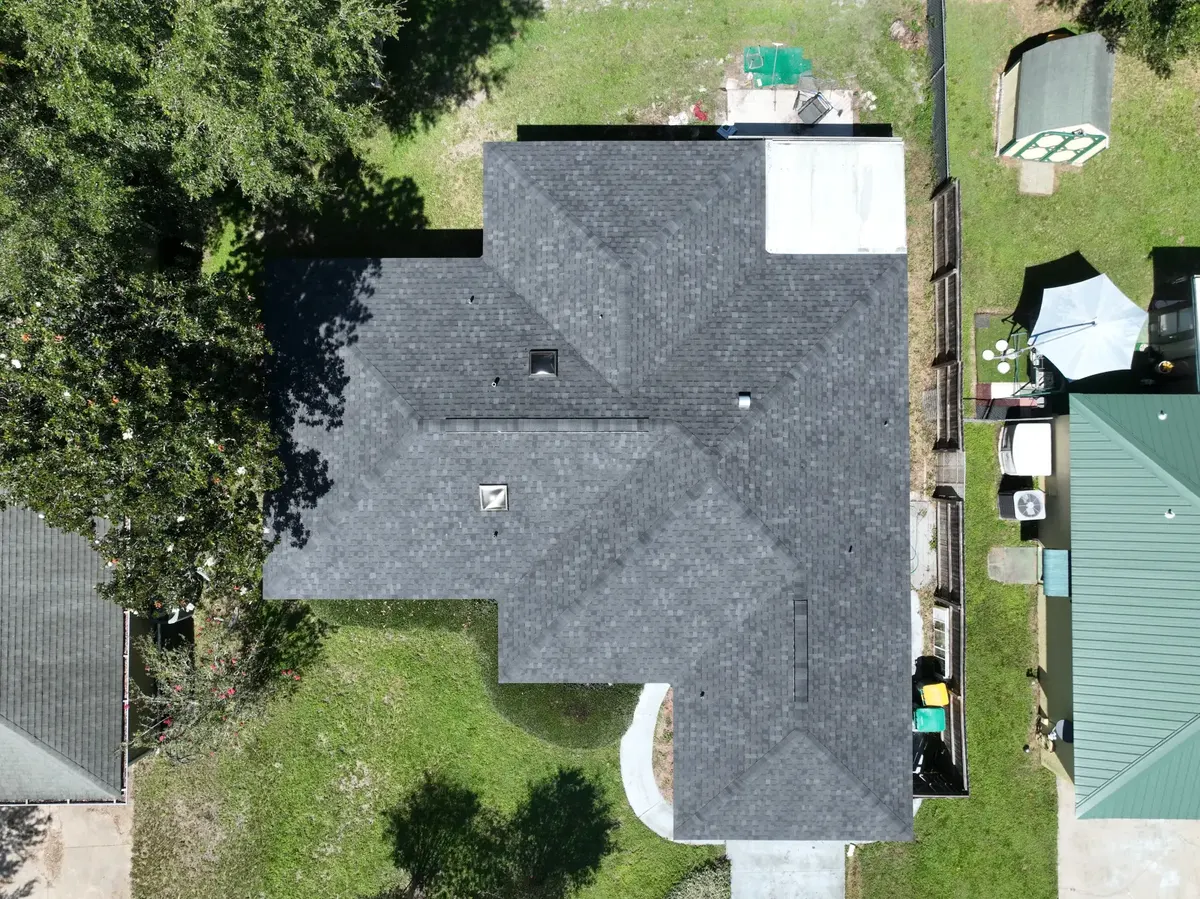
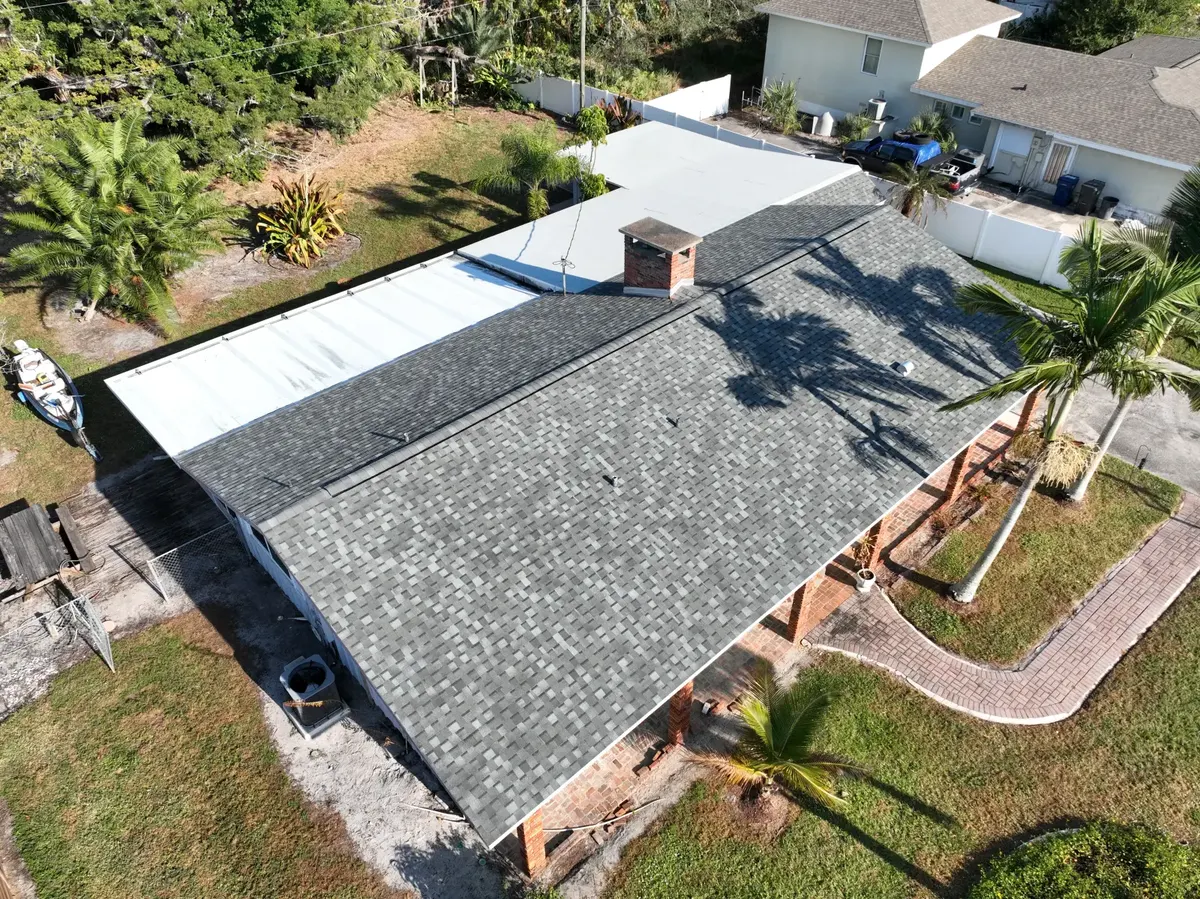
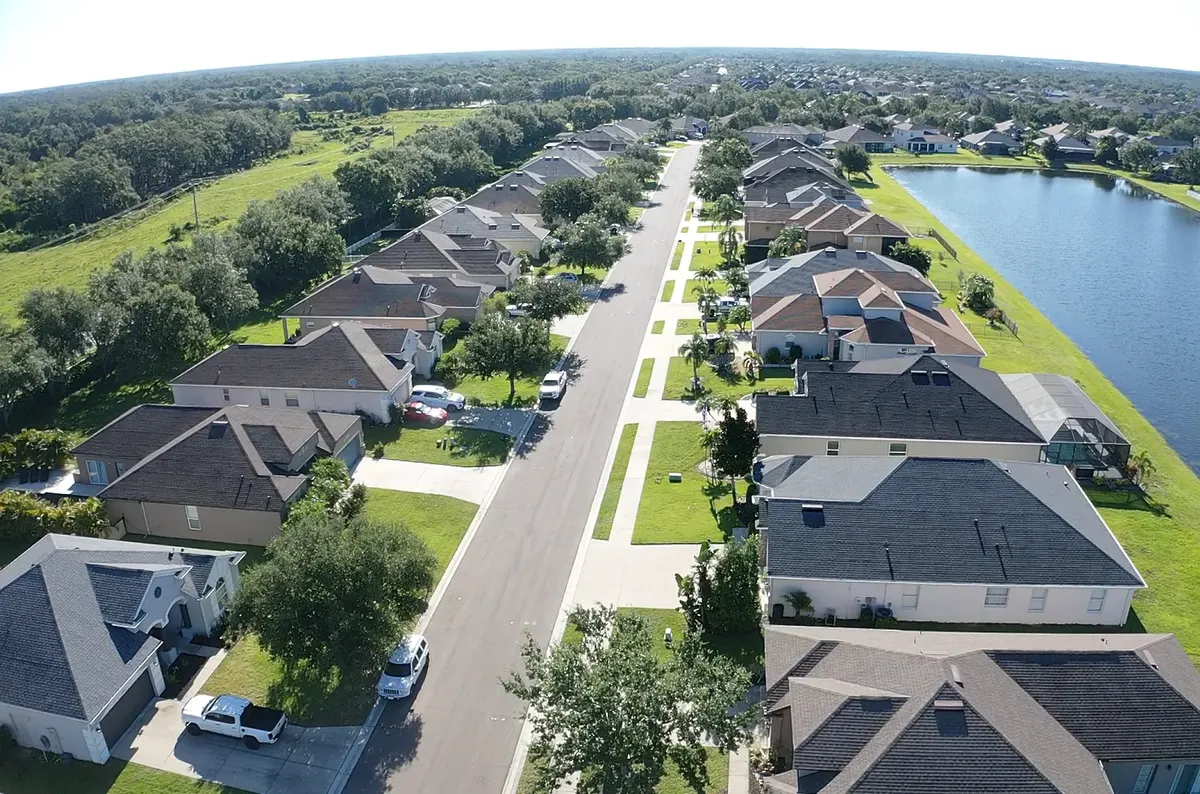
We will get on your roof, document its real condition in 2026 with drone photos and a written report, and tell you plainly what it needs: finish the unfinished work, repair the section that is failing, or replace a roof that is past saving. No charge for the inspection and no pressure toward work you do not need. Ten years and 2,000-plus roofs across the Gulf Coast, including the heavy Ian and Milton seasons, means we have already cleaned up after a lot of storm chasers and stalled claims. Licensed CCC1331076, locally owned, photo report on every job, 5-year workmanship warranty.
Call (941) 896-7793"They did a good job on the repair, so I would definitely recommend them."Duke H.Roof repair, Florida Gulf Coast
"Good communication and did a great job."Rick R.Roof repair, Florida Gulf Coast
"They go the extra mile to get what their customers need. Chimney caps, skylights, they handle it all."Chimney F.Repairs and extras, Florida Gulf Coast
For a brand-new or reopened Ian claim, almost certainly not. Under Florida Statute 627.70132, you have one year from the date of loss to file a new or reopened claim and 18 months for a supplemental claim. Ian's date of loss was late September 2022, so those windows have generally closed. We will not tell you otherwise. If you already have an open claim or one that was previously paid, that is a different situation and may still have a path, especially if repair work uncovers damage that was missed. Either way, the roof still needs to be made sound, and that we can do regardless of insurance.
This happened to a lot of people after Ian, when out-of-state storm chasers flooded the area, collected deposits, and left. First, check whether a permit is still open in your name, because an abandoned open permit can cause problems later. Then get a licensed local company to inspect what was actually done, document it, and finish the job correctly so it passes inspection and keeps water out. We have completed plenty of roofs that someone else walked away from.
It very well could be. Ian creased shingles, loosened flashing, and worked fasteners loose without always leaving an obvious hole, and a roof like that can shed water for a year or two before it starts to fail. A leak that appears in 2024 or 2025 can trace straight back to 2022 storm damage. We find the actual source instead of guessing, and our written photo report shows you exactly what is going on up there.
No. We are a licensed roofing contractor, not a public adjuster, and we do not negotiate your claim for a fee. Public adjusters are governed by Florida Statute 626.854 and that is a separate role. What we do is document the roof thoroughly with drone photos and a written report in the format adjusters expect, and work alongside your adjuster. If your situation needs a public adjuster or an attorney, we will tell you so and point you in the right direction.
Yes. A tarp is an emergency measure, not a roof. After a couple of Florida summers the material breaks down, the fasteners work loose, and it starts leaking on its own, sometimes worse than the original damage because water pools in the sags. If you still have a storm-era tarp up there, the roof underneath it has been exposed far longer than it should have been. We can replace the tarp and assess what the roof actually needs to be made permanent.
No. Our roof inspection is free whether or not there is an insurance claim involved. You get a drone survey and a written photo report at no charge, and a straight recommendation on what the roof needs today. Plenty of homeowners with no live claim still need to know whether their Ian roof is sound, and that answer should not cost you anything.
Free inspection, an honest assessment of what the roof needs in 2026, then the work done right by a licensed local company. Claim or no claim. Licensed CCC1331076.
Leave your name and number. We typically call back the same day during business hours. Consent to texts is not required.