Metal Roofing · Florida Gulf Coast

Why Is My Metal Roof Showing Rust in Florida?

You walked the property and spotted orange streaks running down a panel, or rust rings around a couple of screws, and your stomach dropped. A metal roof is supposed to be the tough one. Here is the honest truth: near the Gulf, salt air is hard on metal, and not every spot of orange means the roof is failing. Some of it is cosmetic. Some of it is a simple maintenance fix. A little of it is real. This page shows you how to tell them apart before you spend a dollar.

Licensed & InsuredFlorida CCC1331076
4.7 stars57 Google reviews
10 yearsFlorida-licensed
2,000+Roofs completed
Why salt air goes after metal

A metal roof is a great choice here. Coastal salt air just makes it work harder.

Metal is one of the best roofing materials for the Florida Gulf Coast. A properly installed standing seam metal roof handles hurricane-force wind, sheds water beautifully, and can outlast two or three shingle roofs. None of that changes because you found a little rust. What changes near the water is the environment the roof lives in. Salt air carries microscopic chloride particles that settle on every surface and pull moisture out of the air. On bare or scratched metal, those chlorides break down the protective layer and let oxidation, what we all call rust, get started. The closer you are to the Gulf, the more aggressive that process is.

Here is the part that matters: the rust you see is almost never the whole panel rotting through. Modern metal roofing is not bare steel. The steel is bonded with a Galvalume coating, an aluminum-zinc alloy that forms a tough, self-protecting barrier, and then it is painted with a baked-on finish on top of that. As long as those layers are intact, the steel underneath is sealed off from the salt air and never sees moisture. Rust shows up where that protection has been broken or where it was never there to begin with: a scratch, a cut edge, a steel fastener, or a low-grade panel that was the wrong call for a coastal install. Read the location of the orange and you can usually read the cause.

That is also why where your roof has hidden fasteners matters so much near salt water. An exposed-fastener metal roof, the kind with rows of visible screws holding the panels down, has hundreds of small steel and rubber points exposed to the salt air. Those are the spots that corrode first and need periodic attention. A standing seam roof hides its fasteners under concealed clips inside the seam, so there is almost nothing exposed to the salt. That single difference is why standing seam is the metal roof we recommend for anyone close to the Gulf.

Four kinds of orange

What the rust is actually telling you

Tea-staining and surface discoloration

Faint brown or tan streaking on the surface of coastal metal, often most visible after rain. It is a cosmetic film that salt deposits leave behind, not the steel breaking down. Common near the water, usually harmless, and frequently improved with a simple rinse. This is the kind of orange that looks worse than it is.

Fastener corrosion

Rust rings around the exposed screws on an exposed-fastener roof. The screws and their rubber washers degrade in salt air, can back out over time, and start to weep rust. This is a real maintenance issue, but a fixable one: the fasteners and gaskets get replaced. It is also the single best argument for standing seam near the coast.

Cut-edge and scratch rust

A thin line of rust along a panel's cut edge, a trim line, or a scratch where a tool or a tree limb broke the coating. Rust almost always starts where the protective layer was breached, because that is the one spot the salt air can reach bare steel. Caught early, it gets cleaned and touched up before it spreads.

Genuine panel corrosion

Widespread rust eating into the panels themselves, often on an older roof or one built from low-grade or improperly coated metal that should never have gone on a coastal home. This is the one case where the metal itself is failing. When the corrosion is structural and across the roof, replacement is the honest answer, not another round of touch-ups.

Why this matters on the Gulf Coast

Metal lasts here, if it is the right metal, installed right

A metal roof can serve a coastal Florida home for 40 to 70 years. Whether yours does comes down to a handful of things, and most of them are about keeping salt away from bare steel.

What to do about it

A free inspection grades the rust and tells you maintenance, repair, or replace.

You do not need to guess, and you almost certainly do not need to panic. Rust on a metal roof falls into one of a few buckets, and getting eyes on the actual panels settles it fast. Either it is surface tea-staining that a rinse handles, or it is fastener and gasket wear that a maintenance visit corrects, or it is cut-edge and scratch rust that gets cleaned and touched up before it spreads, or, for an old or low-grade roof, it is genuine panel corrosion where planning a replacement beats chasing it with patches. The only way to know which is to look closely, not to guess from the driveway.

Coastline does a free metal roof inspection with a drone flyover and a written photo report. We grade the rust slope by slope: where it is, how deep it goes, whether the coating is breached, and how the fasteners are holding up. You get the photos and an honest call: rinse and monitor, do a maintenance round on fasteners and coatings, repair the breached spots, or, if the panels are genuinely failing, start planning a replacement. No trip fee, no diagnostic fee, no pressure to do work you do not need. Our roof maintenance program is built for exactly this kind of upkeep, and a free roof inspection is where it starts.

When a replacement is the right answer for a coastal home, standing seam is what we recommend, for the reason this whole page keeps circling back to: hidden fasteners mean far less exposed steel for salt to attack. If you are weighing metal against shingle and how it plays with your insurance, our guide on metal roof vs. shingle for Florida insurance lays it out. The full breakdown of panel types and finishes lives on our metal roofing page. We will never tell you to replace a roof that has good life left in it.

Recent metal work

Metal roofs Coastline has completed on the Gulf Coast

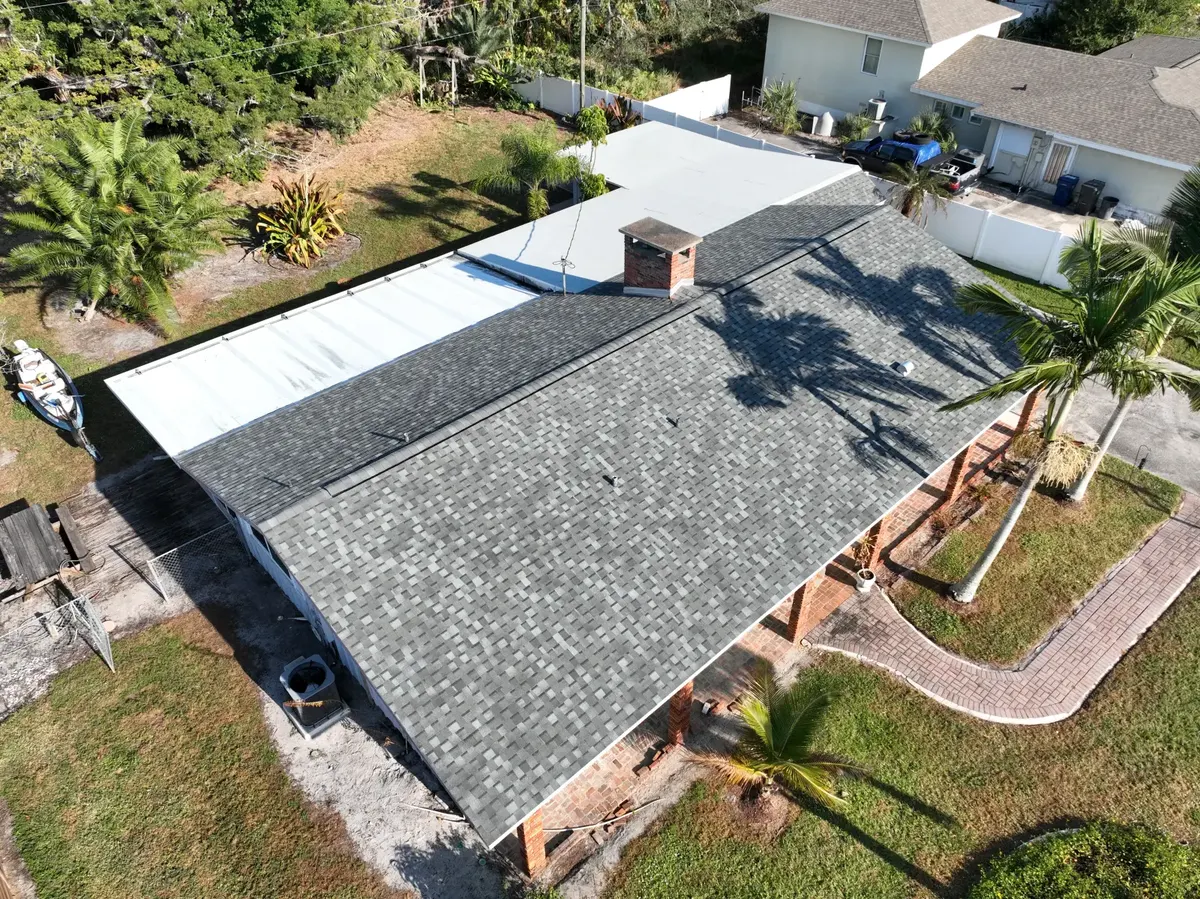
Aerial drone view of a Gulf Coast home with metal roofing sections
Aerial view of a metal roof section, November 2025. Florida Gulf Coast.
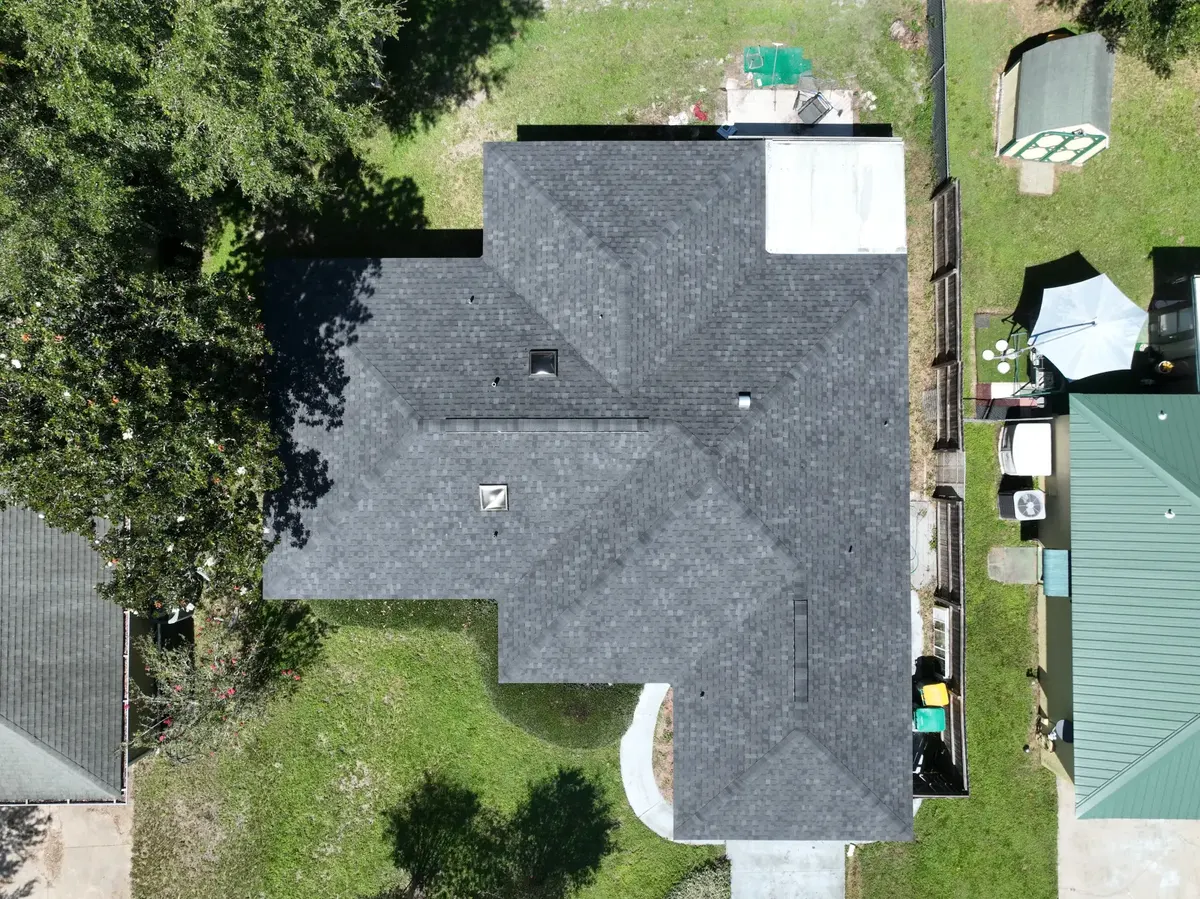
Aerial drone view of a dark roof on a single-family Gulf Coast home
Drone survey of a completed roof, August 2024. Manatee County, FL.
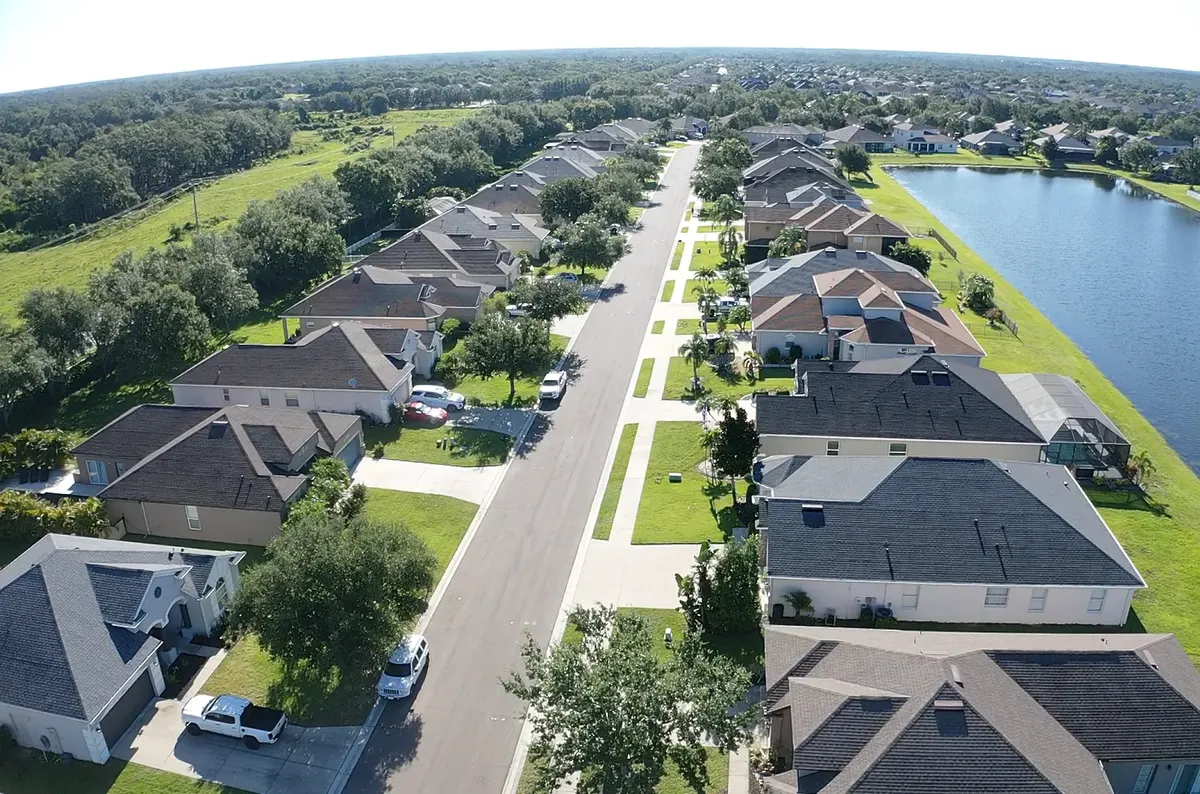
Aerial view of a Florida coastal neighborhood with mixed roof types
Coastal neighborhood roofs near the Gulf. Florida Gulf Coast.
Free inspection

Find out if that rust is cosmetic or real.

A drone flyover, a written photo report, and an honest read on your rust, all free. We tell you whether you need a rinse, a maintenance round, a spot repair, or a replacement. No trip fee, no diagnostic fee, no pressure.

Schedule your free inspection
Reviews

What Florida homeowners say about Coastline metal work

★★★★★
Josh and his crew knocked it out of the park. After a year of back-and-forth with insurance, they got the roof covered. We went with a standing seam metal roof. That's the only way to go if you want a metal roof.
Jason J.Standing seam metal roof, Florida Gulf Coast
★★★★★
Coastline did a great job installing our new roof and gutter system. They were fast, clean, and the result looks great. All were very helpful and respectful.
Kyle D.Roof and gutter installation, Florida Gulf Coast
★★★★★
Russell was great to work with. Prompt in coming out to assess our roof and very knowledgeable. The team did a great job, complete in 2 days once work began.
Bryan S.Roof replacement, Florida Gulf Coast
FAQ

Common questions about rust on a metal roof

Is a little rust on my metal roof normal near the coast?

Some of it, yes. Faint brown tea-staining on the surface of coastal metal is a cosmetic film left by salt deposits, not the steel rotting, and it is common close to the Gulf. What is not normal is rust eating into the panels, or rust spreading from cut edges and scratches. The difference is whether the protective coating is intact or breached. A close look at the actual panels, which is what a free inspection gives you, settles it.

What is tea-staining on a metal roof?

Tea-staining is the light brown or tan discoloration you sometimes see on metal near salt water, often most noticeable after rain. It comes from salt deposits and surface oxidation sitting on top of the finish, and it is largely cosmetic. In many cases it improves with a simple rinse. It is not the same as rust cutting into the steel, and it does not mean your roof is failing.

Why are the screws on my metal roof rusting?

Because they are exposed steel sitting out in salt air. On an exposed-fastener metal roof, the screws and their rubber washers degrade over time, can back out, and start to weep rust rings around each head. It is a real but fixable maintenance issue: the fasteners and gaskets get replaced. It is also exactly why we recommend standing seam near the coast, since its fasteners are hidden inside the seam and almost nothing steel is exposed to the salt.

Is standing seam really better than exposed-fastener near the Gulf?

For a coastal home, yes, and it is not close. Exposed-fastener panels have hundreds of steel screws sitting out in chloride-laden salt air, and those are the first things to corrode. Standing seam holds the panels down with concealed clips tucked inside the seam, so there is almost no exposed steel for the salt to attack. Fewer exposed points means far fewer places for rust to start, which is why we steer homeowners near the water toward standing seam.

Can rust on a metal roof be repaired, or do I need a new roof?

It depends on how far it has gone. Surface tea-staining gets rinsed. Fastener rust gets new fasteners and gaskets. Cut-edge and scratch rust gets cleaned and touched up before it spreads. Those are all repairs, not replacements. The one case where a new roof is the honest answer is genuine panel corrosion across an old or low-grade roof, where the metal itself is failing. A free inspection grades the rust and tells you which situation you are in.

Is the inspection really free?

Yes. The metal roof inspection, the drone flyover, and the written photo report are free, with no trip fee and no diagnostic fee. You get the photos and an honest read on whether your rust is cosmetic, a maintenance fix, a repair, or a sign the roof is near the end. If it has good years left, we will tell you that plainly. Call (941) 896-7793 or text (941) 345-0072 to schedule.

Not sure if that rust is cosmetic or real? Let us grade it.

Free drone inspection, written photo report, and an honest answer on whether you need a rinse, a repair, or a replacement.

Call Text