
★★★★★
"They replaced the whole roof, plywood, and fascia. Great job."Munji S.Full roof, plywood, fascia, Florida Gulf Coast
Updated June 2026
Florida's hurricane season runs June 1 to November 30, and the bottom of Tampa Bay learned hard lessons from Ian and Milton. The roofs that came through best were the ones that were inspected, sealed, and documented before a storm ever got a name. This is what to check, when to do it, how wind mitigation can lower your premium, and the documentation that makes an insurance claim go faster if a storm does hit. Free pre-season inspection, written photo report, no trip fee.
Every year it goes the same way. Hurricane season opens June 1, the forecast says it will be a quiet one, and most homeowners do nothing until a system is sitting in the Gulf with their county in the cone. By then it is too late. Roofers are booked solid, the supply houses are out of tarps and fasteners, and the roof you meant to look at in the spring is still carrying the same lifted shingles and clogged valleys it had in May.
Manatee County and the bottom of Tampa Bay know how this ends. Ian in 2022 and Milton in 2024 stripped shingles, peeled flashing, and drove water through tired underlayment all across Bradenton, Palmetto, and the barrier islands. The homes that came through with minor damage were not lucky. They were the ones where a small loose section had already been re-nailed, the flashing was sealed, the soffits were sound, and the roof had a documented condition on file before the wind ever showed up.
The cruel part is that wind does not need to tear the whole roof off to cost you tens of thousands of dollars. It only needs one entry point: a single lifted shingle row, a corroded valley, a gap in the soffit. Once wind gets under the roof covering or into the attic, it works the rest of the system loose and rain follows it inside. Almost every catastrophic roof loss we see started as a small, fixable problem that nobody addressed before the season.
The fix is simple and it is cheap compared to the alternative: get the roof inspected and tightened up early in the season, before the peak in September, and get the current condition documented in writing. Below is the pre-season checklist we run on Manatee County roofs, plus how wind mitigation and a documented before condition protect you on the insurance side. A free Coastline inspection covers all of it.
Run through this in June or July, well before the September peak. Most of it you can spot from the ground or hire out cheaply now. Waiting until a storm is named means waiting in line behind everyone who waited too.
Here is what trips up a hurricane claim more than anything: the adjuster cannot tell what damage the storm caused and what was already there. If a row of shingles was worn before the storm, the carrier will argue the wind did not cause the loss. The burden lands on you to prove the roof was sound the day before the hurricane, and most homeowners have no way to prove it.
The answer is simple. Photograph your roof now, while it is calm and the condition is good, and make sure the photos are dated. A clear, dated set of before images takes the argument off the table. When you can show an adjuster exactly what the roof looked like the week before a named storm, the claim moves from a fight into a measurement.
A free Coastline inspection gives you exactly this: a written photo report on file, dated, with every slope, valley, and penetration documented. If a storm hits later in the season, you hand the adjuster a clean before condition instead of trying to reconstruct it from memory. The inspection costs you nothing and the documentation can be worth your entire deductible in a dispute. For storm-season claim help specifically, see our storm damage repair page.
Florida has a standard wind mitigation inspection documented on the Uniform Mitigation Verification Inspection Form (OIR-B1-1802). A licensed inspector records features like your roof-deck attachment, whether you have a secondary water barrier, and your roof-to-wall connections. Each qualifying feature triggers a discount on the windstorm portion of your premium, and the credits can add up to a meaningful amount every year. If you replace your roof, ask for the form, because a stronger roof should mean a lower premium.
In Florida your policy has two deductibles. Your standard or all-other-perils deductible is usually a flat dollar amount. Your hurricane deductible is separate and is typically a percentage of your dwelling coverage, commonly 2 to 5 percent, so it can run into the thousands. When a hurricane deductible applies, the standard one does not. Read your policy now, before the season, so the number is not a surprise during a claim. If the percentage is higher than you are comfortable with, talk to your agent before a storm, not after.
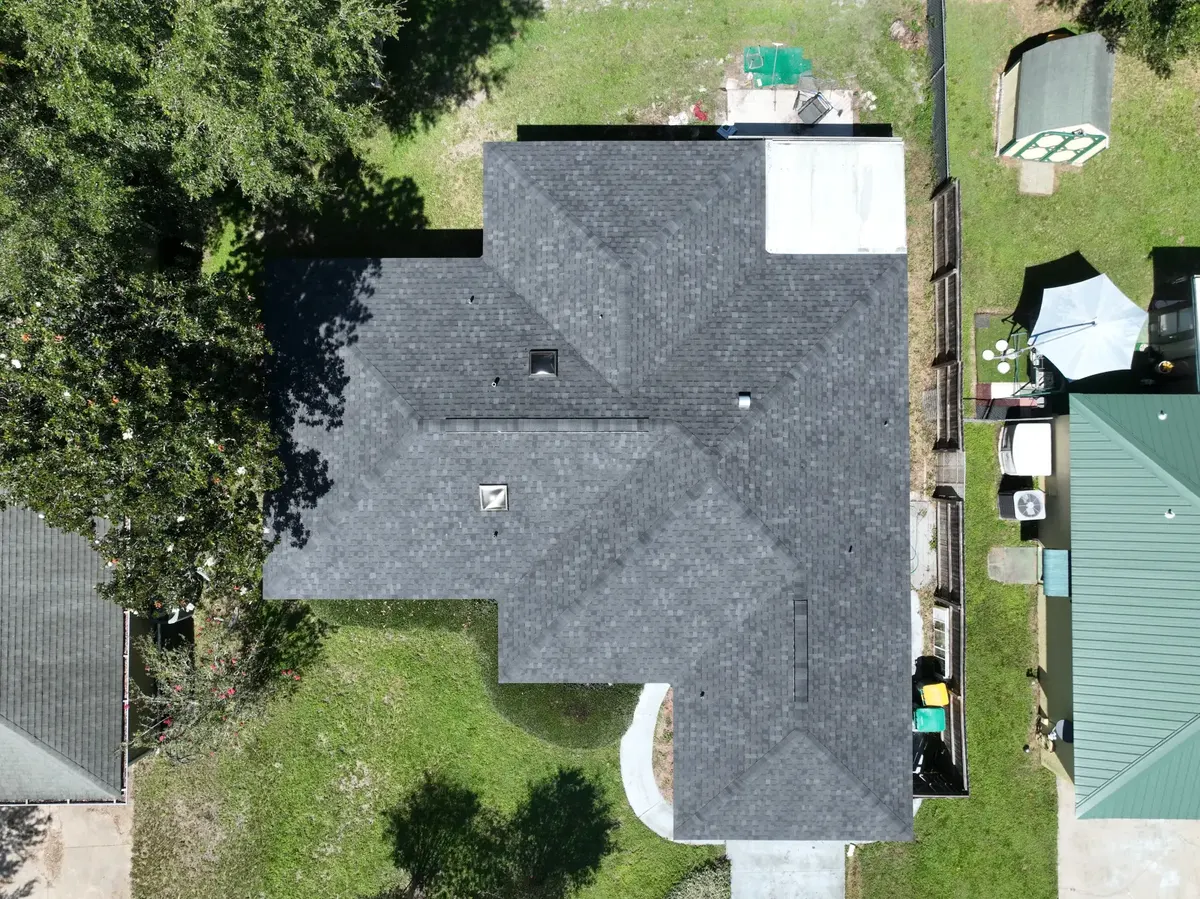
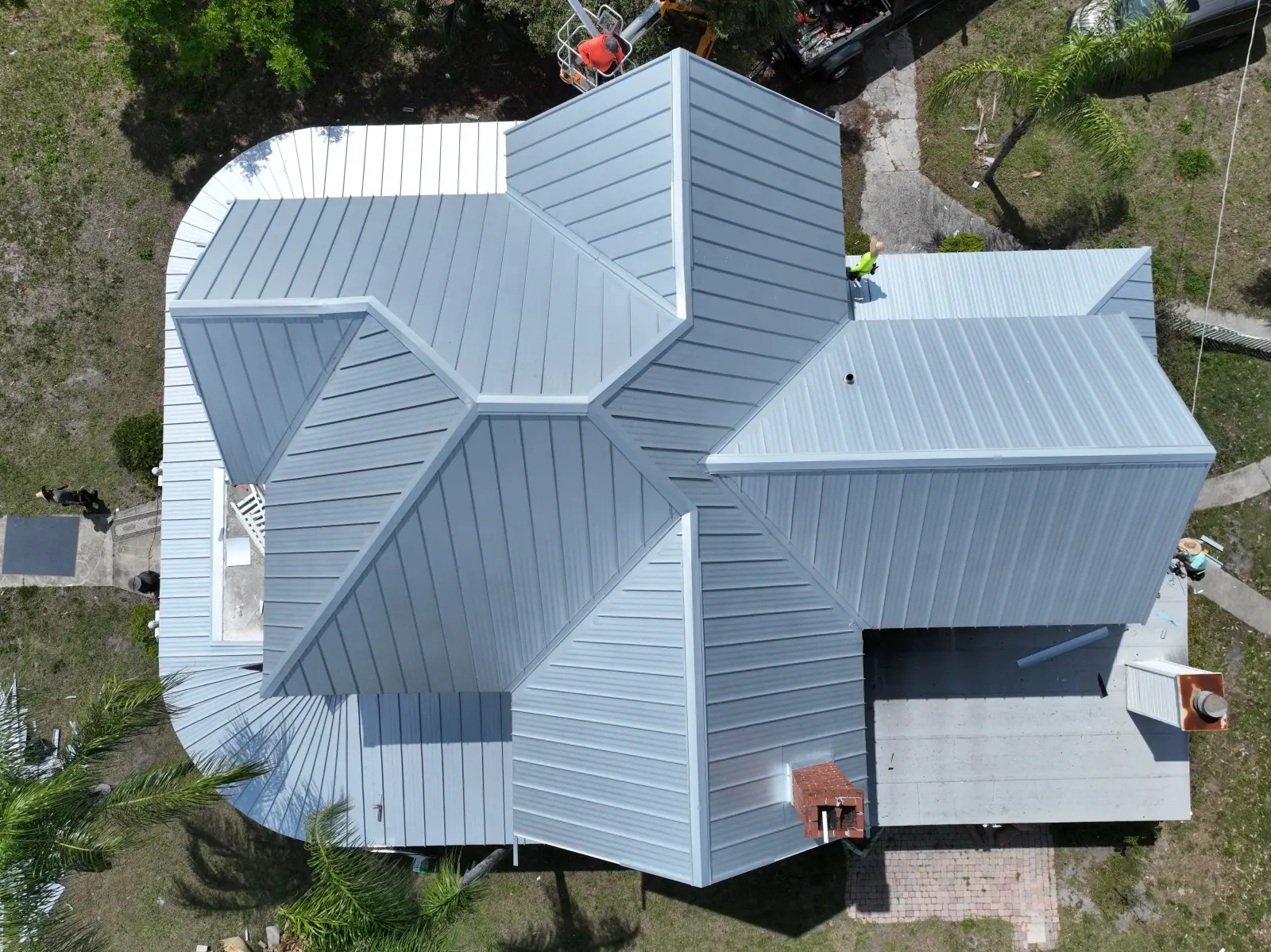
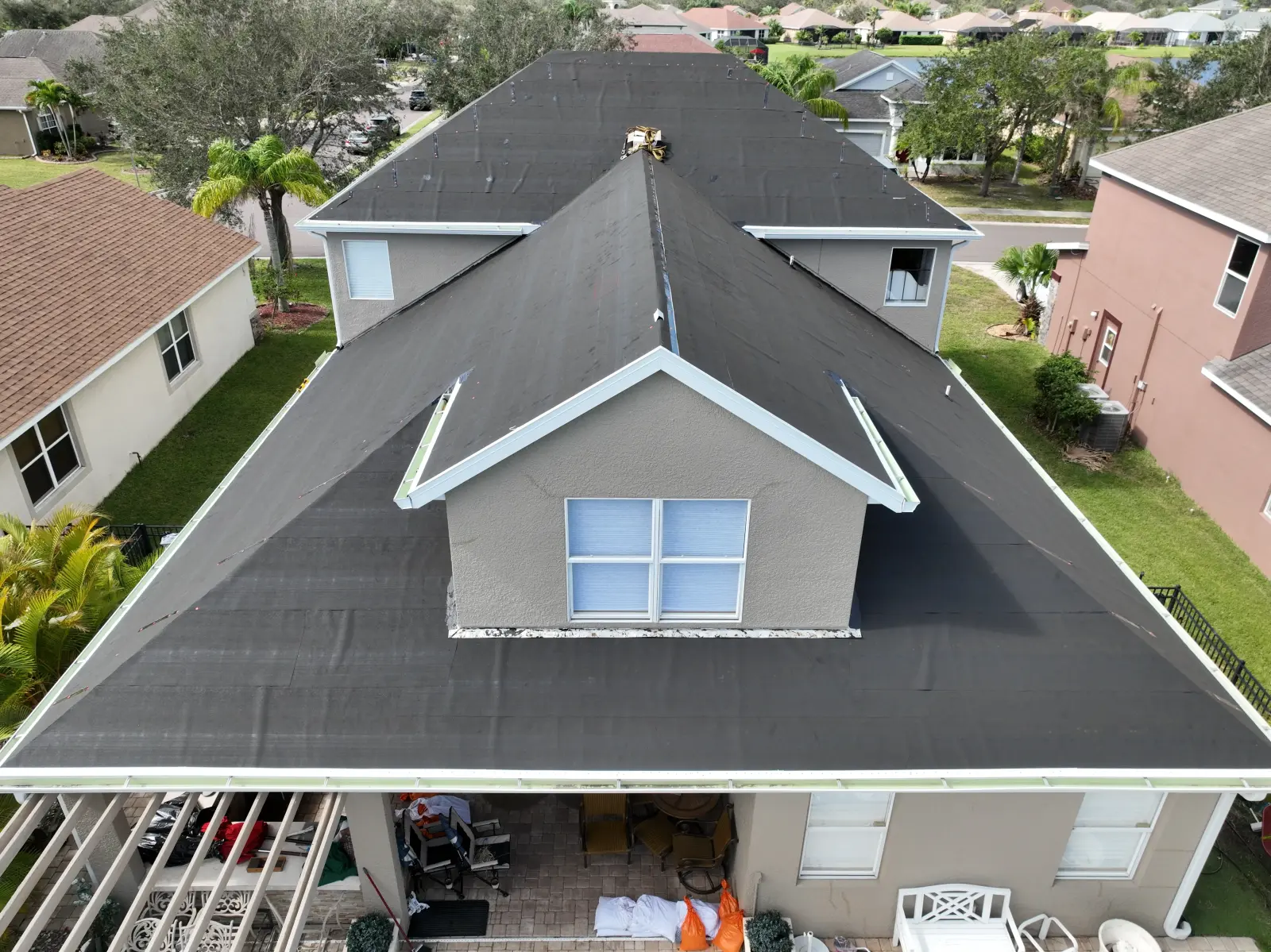
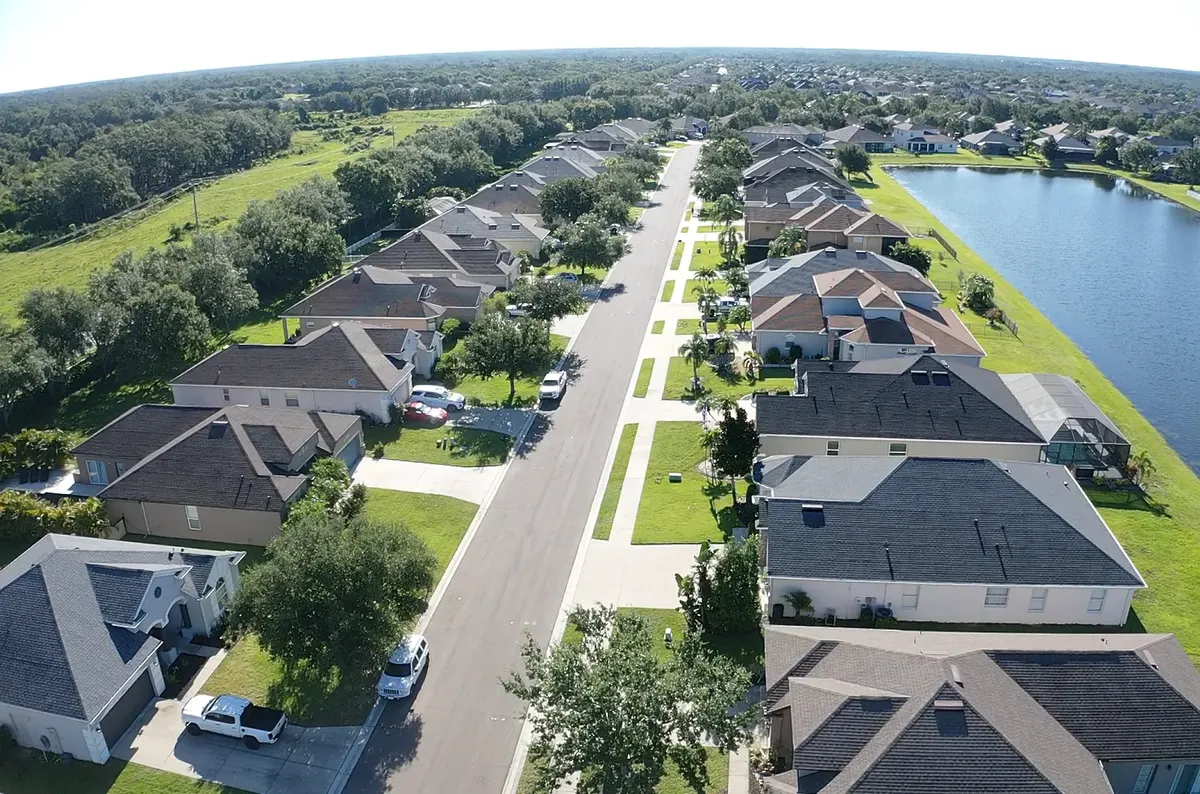
Coastline runs a free drone inspection across Manatee County with no trip fee, no diagnostic fee, and no obligation. You get a written photo report documenting your roof's current condition, any repairs we recommend before the season peaks, and a dated before record on file for any future claim. Book it early while the schedule is open. For the full inspection scope, see our free roof inspection page.
Schedule your free pre-season inspection"They replaced the whole roof, plywood, and fascia. Great job."Munji S.Full roof, plywood, fascia, Florida Gulf Coast
"Fast and professional service from Coastline. Very happy with the roof."Dawn K.Roof service, Florida Gulf Coast
"We were elbows deep in a contract on our first home when we found out the roof failed inspection. ... Within the hour Josh had called me back. He went out the next morning and personally inspected the roof. ... The roof was done and cleaned up completely in just two days."Amanda H.Pre-purchase inspection, Florida Gulf Coast
The Atlantic hurricane season runs June 1 to November 30. The peak of activity is around September 10, with most storms forming between mid-August and mid-October. That is exactly why we tell Manatee County homeowners to inspect and repair in June or July, well before the busy stretch, so the roof is ready and not stuck behind a backlog of last-minute calls.
Early June is ideal. The season opens June 1 and peaks in September, so getting the inspection done at the start gives you time to complete any repairs before the riskiest months. It also means you are not competing for a roofer's calendar when a storm is already in the Gulf and everyone calls at once. A Coastline pre-season inspection is free, so there is no reason to wait.
Dated before photos prove what your roof looked like before a hurricane, which is the single biggest dispute in a wind claim. Adjusters frequently argue that damage was pre-existing wear rather than storm damage. A clear, dated set of before images, like the written photo report from a free Coastline inspection, takes that argument off the table and moves your claim along faster.
A wind mitigation inspection documents the storm-resistant features of your roof and home on Florida's Uniform Mitigation Verification Inspection Form (OIR-B1-1802). A licensed inspector records things like roof-deck attachment, secondary water barrier, and roof-to-wall connections. Each qualifying feature can trigger a discount on the windstorm portion of your insurance premium, so a stronger roof can directly lower what you pay. If you replace your roof, ask for the form so your carrier can apply the credits.
In Florida your homeowners policy has two deductibles. The standard, or all-other-perils, deductible is usually a flat dollar amount and applies to everyday claims. The hurricane deductible is separate and is typically a percentage of your dwelling coverage, commonly 2 to 5 percent, which can come to several thousand dollars. When a hurricane deductible applies, the standard one does not. Check your policy before the season so the number does not catch you off guard during a claim.
Soffits are one of the most overlooked wind entry points. When hurricane wind pushes up under an open, loose, or rotted soffit, it pressurizes the attic and can lift the roof from the inside out, even when the shingles themselves looked fine. We check soffit and fascia condition and make sure soffit vents are secured as part of every pre-season inspection in Manatee County.
Free pre-season drone inspection. Written, dated photo report. Repairs done before the September peak, not after.
Leave your name and number. We typically call back the same day during business hours. Consent to texts is not required.