
★★★★★
"Extremely professional and punctual. They provided a detailed estimate upfront with no hidden costs, and the quality of their workmanship is outstanding."John L.Roof replacement, Florida Gulf Coast
Updated June 2026
You got up on the flat roof or the lanai and found a long tear, a spider web of cracks, a raised bubble, or a seam lifting at the edge. A flat roof does not have shingles to read, so it is harder to tell whether you are looking at a quick fix or a roof that is done. The short version: those splits, cracks, blisters, and open seams are the predictable ways a Florida membrane breaks down under sun and heat. This page tells you what each one means and how it gets repaired.
A pitched roof sheds water and hides in the shade of its own slope. A flat or low-slope roof has none of that. It lies open to the sky, takes the full strength of the sun for hours, and relies on one continuous waterproof membrane to keep everything below it dry. On the Gulf Coast that membrane is usually modified bitumen (a rubberized asphalt sheet), a single-ply like TPO, an older built-up tar-and-gravel system, or a fluid-applied coating. They are all good materials. They all wear out the same way, and Florida speeds it up.
The driver is heat cycling. A dark flat roof in a Bradenton July can run well over 150 degrees in the afternoon, then drop forty or fifty degrees overnight. The membrane expands when it bakes and contracts when it cools, every single day, year after year. Materials do not love being stretched and shrunk thousands of times. They get tired. The surface stiffens, loses its flexibility, and eventually fatigues to the point where it cracks, tears, or pulls apart. This is not a defect. It is the normal aging of any membrane, just running on a faster clock here than almost anywhere else in the country.
The constant in all of it is ultraviolet light. UV is what hardens and embrittles the top layer of the membrane. A sun-tired membrane loses the elasticity that let it ride out the daily expansion and contraction. Once it goes brittle, the same heat cycling that it used to absorb starts tearing it instead. That is the chain: UV embrittles the surface, heat cycling stresses it, and the membrane gives way at its weakest points. Knowing where those weak points are is how you read a flat roof.
A network of fine cracks across the surface that looks like alligator skin or dried mud. It is UV embrittlement of the top layer. The membrane has hardened and lost its flex. On its own it is a surface-wear signal, not always a leak yet, but it tells you the membrane is sun-tired and the clock is running. Widespread alligatoring usually means a recoat or replacement, not a patch.
A clean, often straight tear where the membrane pulled apart under tension. Splits show up over a seam, a deck joint, or anywhere the roof moves more than the membrane could stretch. A split is a through-and-through opening, which means it is an active or about-to-be-active leak. An isolated split over a sound deck is often a targeted repair.
A raised bubble or pocket where the membrane has lifted off the layer below. It is trapped air or moisture that expands in the heat and pushes the membrane up. A blister with intact skin is not leaking yet, but it is a weak spot waiting to be punctured by foot traffic or debris. Once it pops, it becomes an open hole. Blisters get cut out and patched before they break.
Seams are a weak point on any flat roof. They are where two sheets overlap and where the membrane meets a wall, curb, drain, or pipe. The adhesive or weld fatigues, the edge lifts, and water runs straight under the membrane. You may see no surface damage at all and still have water pouring in through a seam.
If you understand two things about a flat roof, you understand most flat-roof failures: the heat is what wears the membrane out, and the seams and flashings are where it lets go first.
A flat-roof problem almost always lands on one of three rungs, and the right move depends on how far the membrane has gone. The mistake is jumping straight to the most expensive answer or the cheapest one without knowing which rung you are on. Here is how the ladder works.
Spot repair. When the membrane is generally sound and the problem is isolated, a single split, an open seam, a blister, or a failed flashing at one pipe, a targeted repair handles it. We clean the area, cut out the damage if needed, and patch it back into the membrane with compatible material so it bonds rather than just sits on top. An isolated split over a solid deck or a lifting seam at one edge is a same-day kind of fix, and it buys real time on an otherwise healthy roof.
Recoat. When the membrane is sun-tired and showing surface alligatoring but is still watertight and structurally sound, a fresh fluid-applied coating restores the UV barrier, re-seals minor cracks and seams, and adds years of life for a fraction of a full replacement. A recoat is the smart middle option for a roof that is aging but not yet failing, and it resets the heat-and-UV clock that wore it down in the first place.
Full replacement. When the membrane is saturated, the deck below is soft or wet, or the alligatoring and splitting run across the whole roof, patching and coating are throwing money at a roof that is done. At that point a full tear-off and new membrane is the honest answer. We will tell you plainly when you are there, and never before. If you are also seeing standing water that never drains, read our companion guide on ponding water on a flat roof, because pooling is often what pushed the membrane to this point.
The only way to know which rung you are on is to get someone on the roof who reads membranes for a living. Coastline does a free flat-roof assessment with a written photo report. We check the seams and flashings first because that is where the leaks live, look at the surface for alligatoring and blisters, probe for soft spots in the deck, and hand you photos with an honest call: spot repair, recoat, or replace. No trip fee, no diagnostic fee, no pressure to buy a roof you do not need.
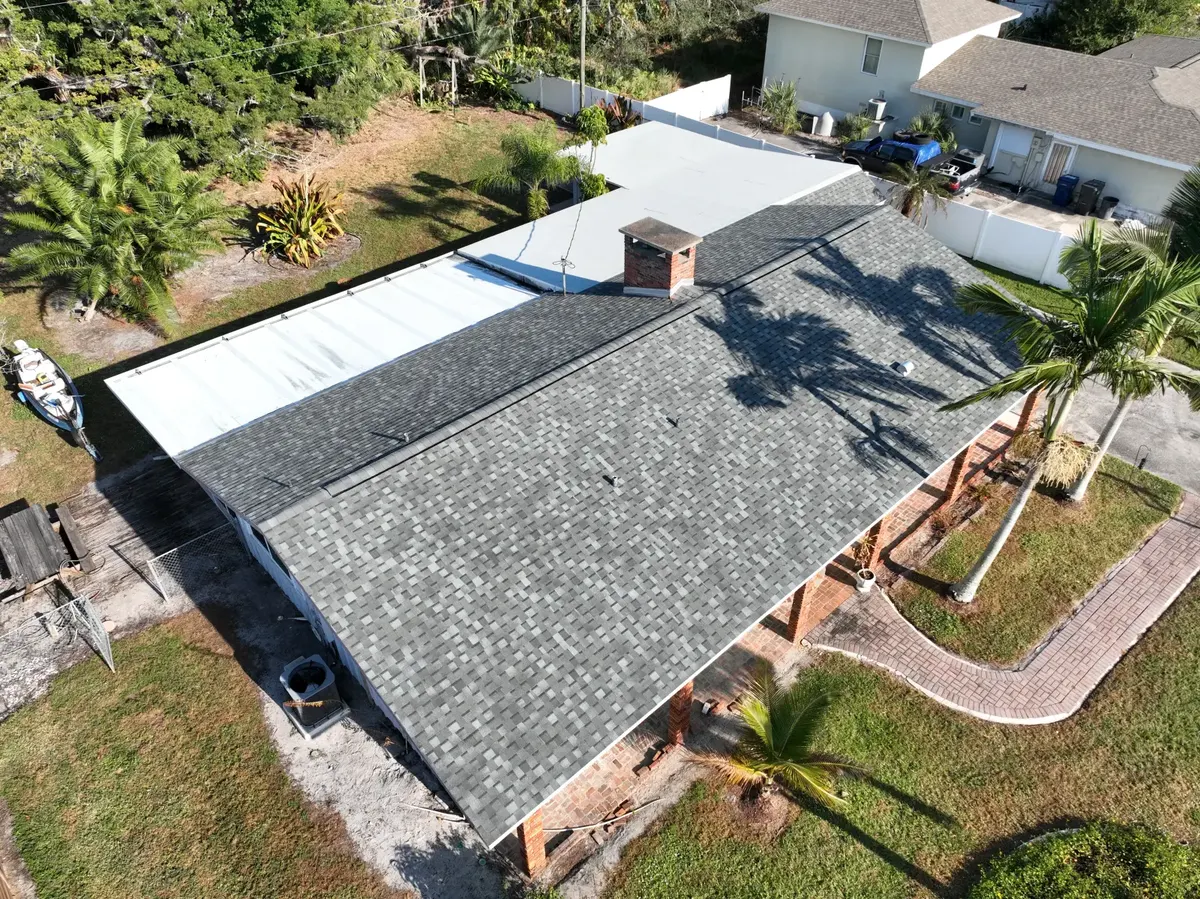
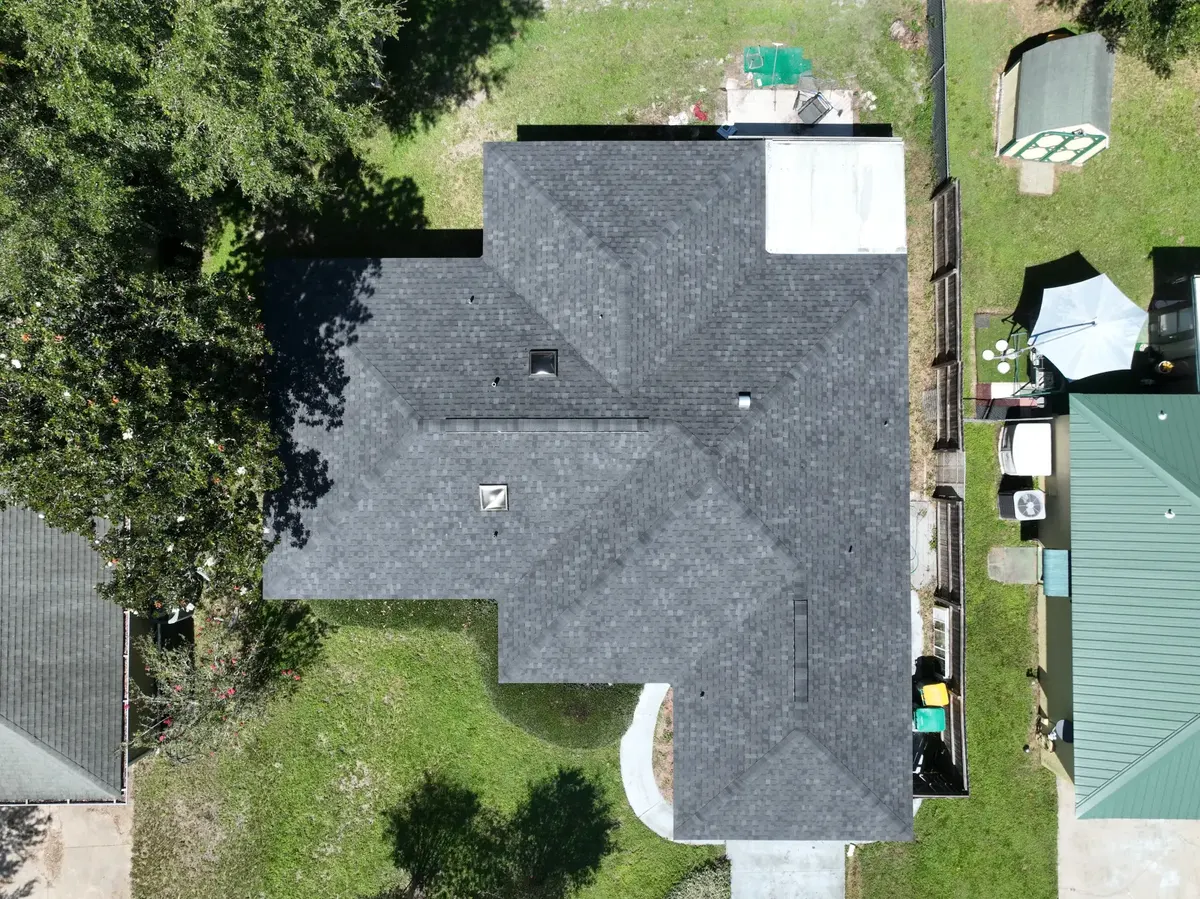
We get up on the roof, check the seams and flashings where leaks actually start, look for alligatoring, splits, and blisters, probe for soft deck, and hand you a written photo report with an honest call: spot repair, recoat, or replace. No trip fee, no diagnostic fee, no pressure.
Schedule your free assessment"Extremely professional and punctual. They provided a detailed estimate upfront with no hidden costs, and the quality of their workmanship is outstanding."John L.Roof replacement, Florida Gulf Coast
"Highly recommend. Great communication. Great quality of work and very personable. Easy to work with."Justin S.Roof work, Florida Gulf Coast
"Quick response. Great customer service & quality of work. Very knowledgeable of tile roofs which is a plus in our neighborhood. Very good pricing."Bobbi B.Tile roof, Florida Gulf Coast
It depends on how far the membrane has gone. An isolated split, a single open seam, or a blister over a sound deck is usually a targeted repair that buys real time. If the surface is alligatored across the whole roof but still watertight, a recoat can add years. Only when the membrane is saturated, the deck is soft, or the cracking runs everywhere does a full replacement make sense. A free assessment tells you which of the three you are looking at.
Far more often at the seams and flashings than in the open field of the membrane. Seams are where two sheets overlap, and flashings are where the roof meets a wall, curb, drain, or pipe. Those transitions move the most and hold adhesive that fatigues over time. You can have a roof with no obvious surface damage and still get water pouring in through a lifted seam. That is the first place we check.
Alligatoring is a network of fine surface cracks that looks like alligator skin or dried mud. It is UV embrittlement of the top layer of the membrane, which has hardened and lost its flexibility. On its own it is a wear signal, not always an active leak yet, but it means the membrane is sun-tired and getting close. Widespread alligatoring usually points to a recoat or replacement rather than a patch.
A blister is a pocket of trapped air or moisture between layers of the membrane. When the roof heats up, that trapped pocket expands and pushes the membrane up into a raised bubble. A blister with intact skin is not leaking yet, but it is a weak point waiting to be punctured by foot traffic or debris, and once it pops it becomes an open hole. Blisters get cut out and patched before they break.
Heat cycling and UV. A dark Gulf Coast flat roof can swing more than 100 degrees between a summer afternoon and dawn, expanding and contracting every day, and our 260-plus sunny days a year keep the surface under constant UV. That combination fatigues and embrittles the membrane faster than milder climates do. Standing water that never drains accelerates the breakdown even more.
Yes. The flat-roof assessment and the written photo report are free, with no trip fee and no diagnostic fee. We check your seams, flashings, surface, and deck, then give you the photos and an honest read: spot repair, recoat, or replace. If the roof has good life left, we will tell you that plainly. Call (941) 896-7793 or text (941) 345-0072 to schedule.
Free flat-roof assessment, written photo report, and an honest answer on whether you need a repair, a recoat, or a replacement.
Leave your name and number. We typically call back the same day during business hours. Consent to texts is not required.